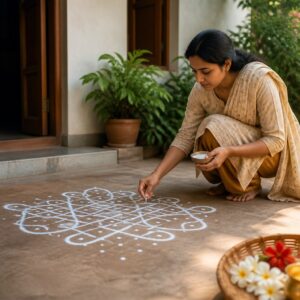
Kolam for Beginners: Dot Patterns and the Meaning of a Daily Tradition
Learn easy kolam dot patterns for beginners, with 3×3 and 5×5 grids, simple loops, daily practice tips, and quick fixes for neat symmetry.

Learn easy kolam dot patterns for beginners, with 3×3 and 5×5 grids, simple loops, daily practice tips, and quick fixes for neat symmetry.

Akshaya Tritiya (April 19, 2026) is one of the most auspicious days in the Vedic calendar — when any act of dharma, dana, or japa yields imperishable merit. Discover the five sacred Puranic events, complete puja vidhi, timings, mantras, and the deeper spiritual teaching beyond gold-buying.

Baisakhi 2026 falls on Tuesday, April 14 — the day Bhagavan Surya enters Mesha Rashi at 9:39 AM, marking the Hindu Solar New Year. Discover the sacred science of Mesha Sankranti, the Punya Kaal rituals, and how this one cosmic moment is celebrated across Bharata as Vishu, Puthandu, Pohela Boishakh, Bohag Bihu, and Pana Sankranti.

Varuthini Ekadashi (April 13, 2026) is one of the most powerful Ekadashi vrats — dedicated to Lord Vamana, it dissolves lifetimes of karmic burden and shields the devoted soul with Bhagavan Vishnu’s protective grace. Complete vrat vidhi, timings, mantra, and the sacred Vrat Katha from the Bhavishya Purana.

Hanuman Jayanti 2026: The Complete Guide to Celebrating Bajrangbali’s Janmotsav | Sanskriti Magazine Sanskriti Magazine · Festivals & Spirituality 🚩 Hanuman Jayanti 2026Celebrating the Janmotsav
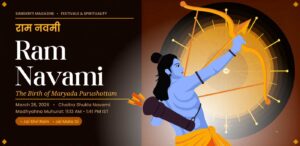
Ram Navami 2026: Celebrating the Birth of Maryada Purushottam | Sanskriti Magazine Sanskriti Magazine · Festivals & Spirituality · March 26, 2026 🏹 Ram Navami

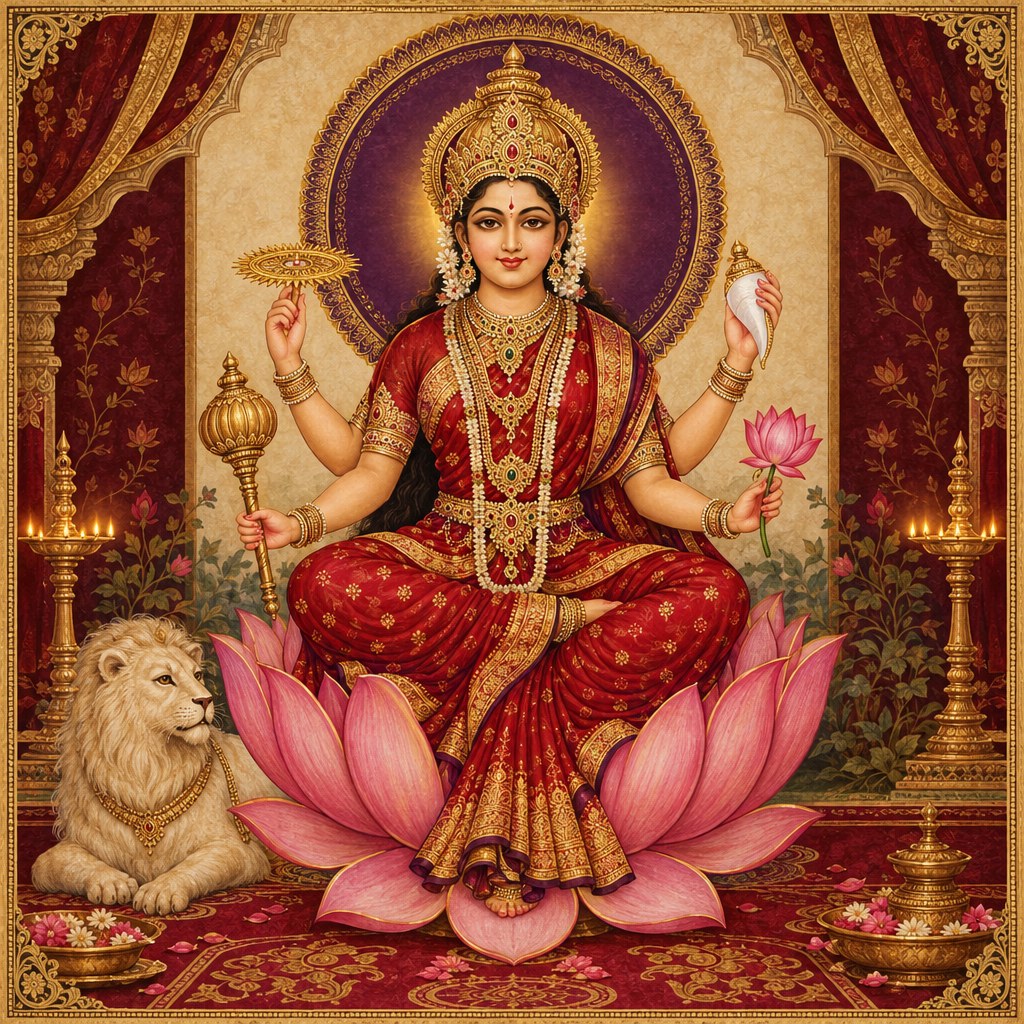
Explore Maa Siddhidatri’s form, meaning and symbols, with a simple Navratri reflection and a practice you can carry into daily life.
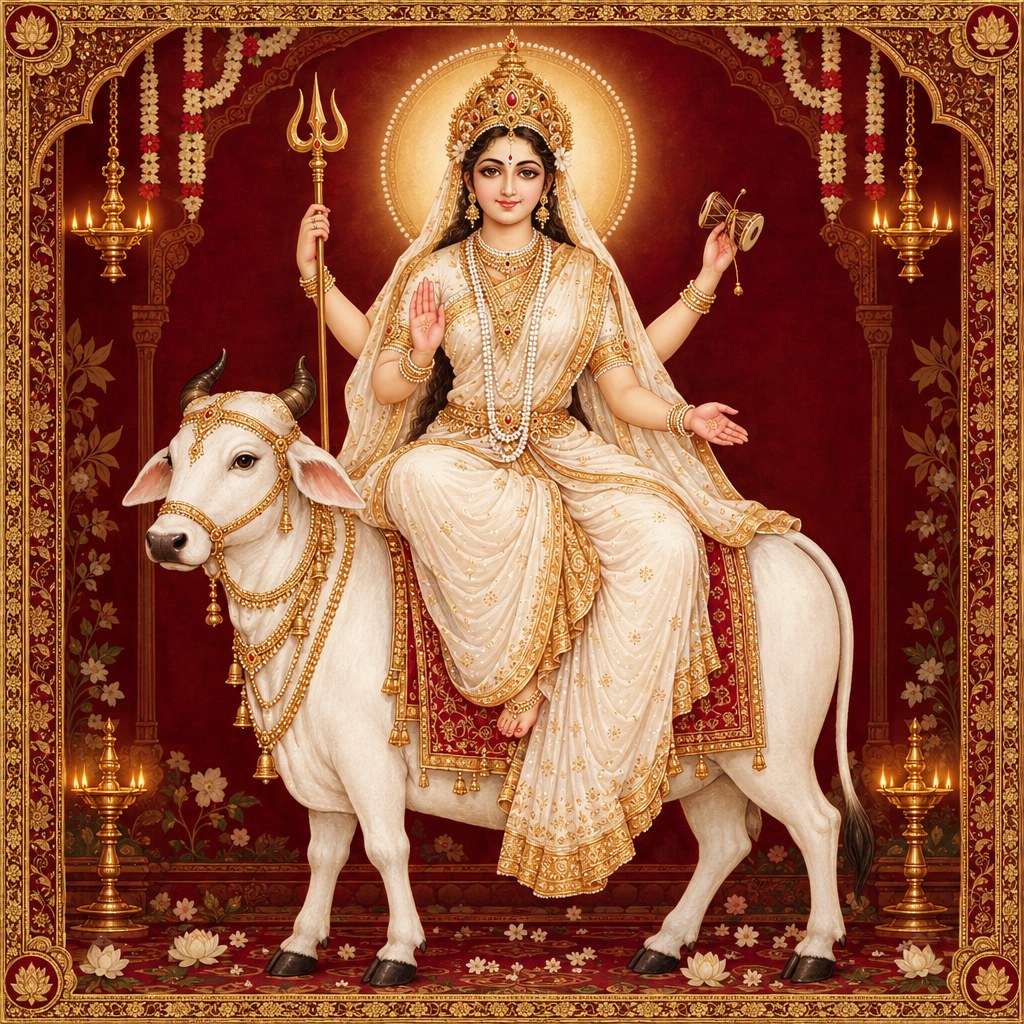
Explore Maa Mahagauri’s form, meaning and symbols, with a simple Navratri reflection and a practice you can carry into daily life.
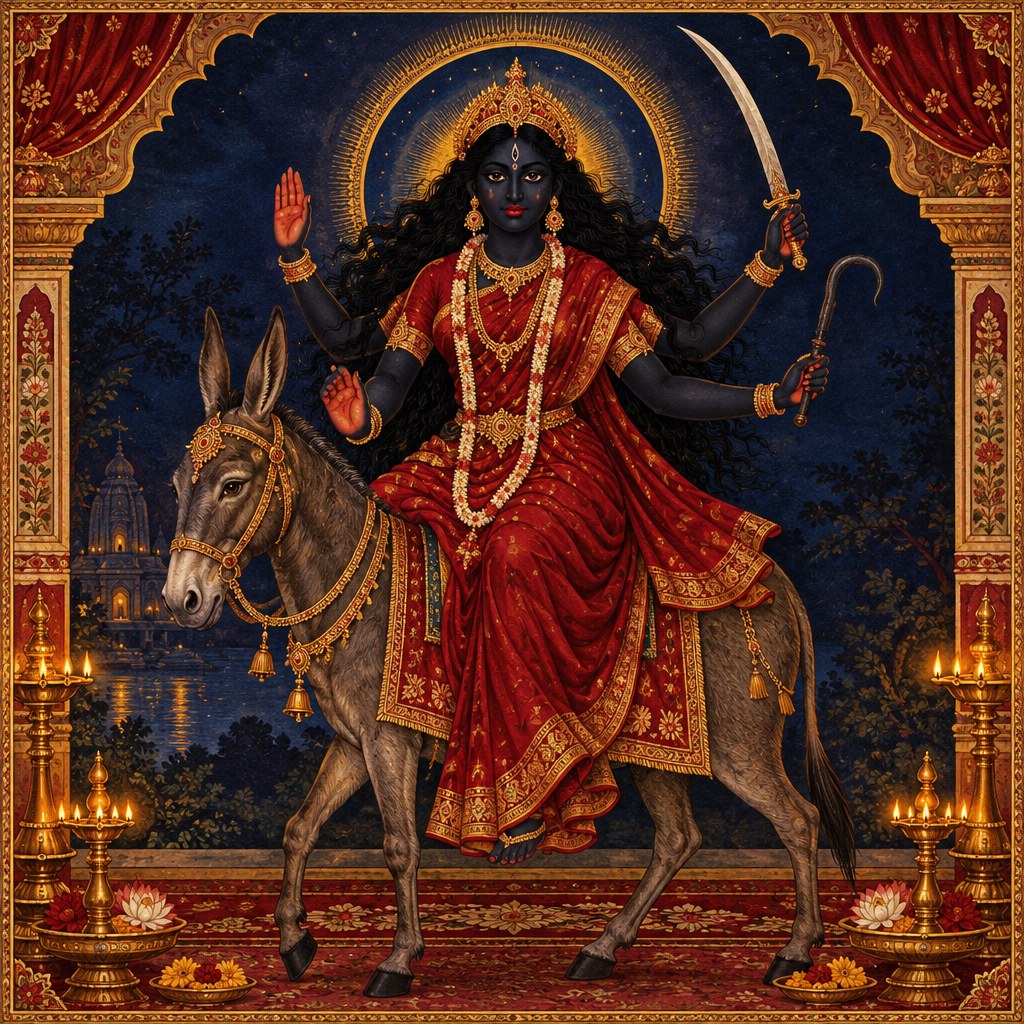
Explore Maa Kalaratri’s form, meaning and symbols, with a simple Navratri reflection and a practice you can carry into daily life.
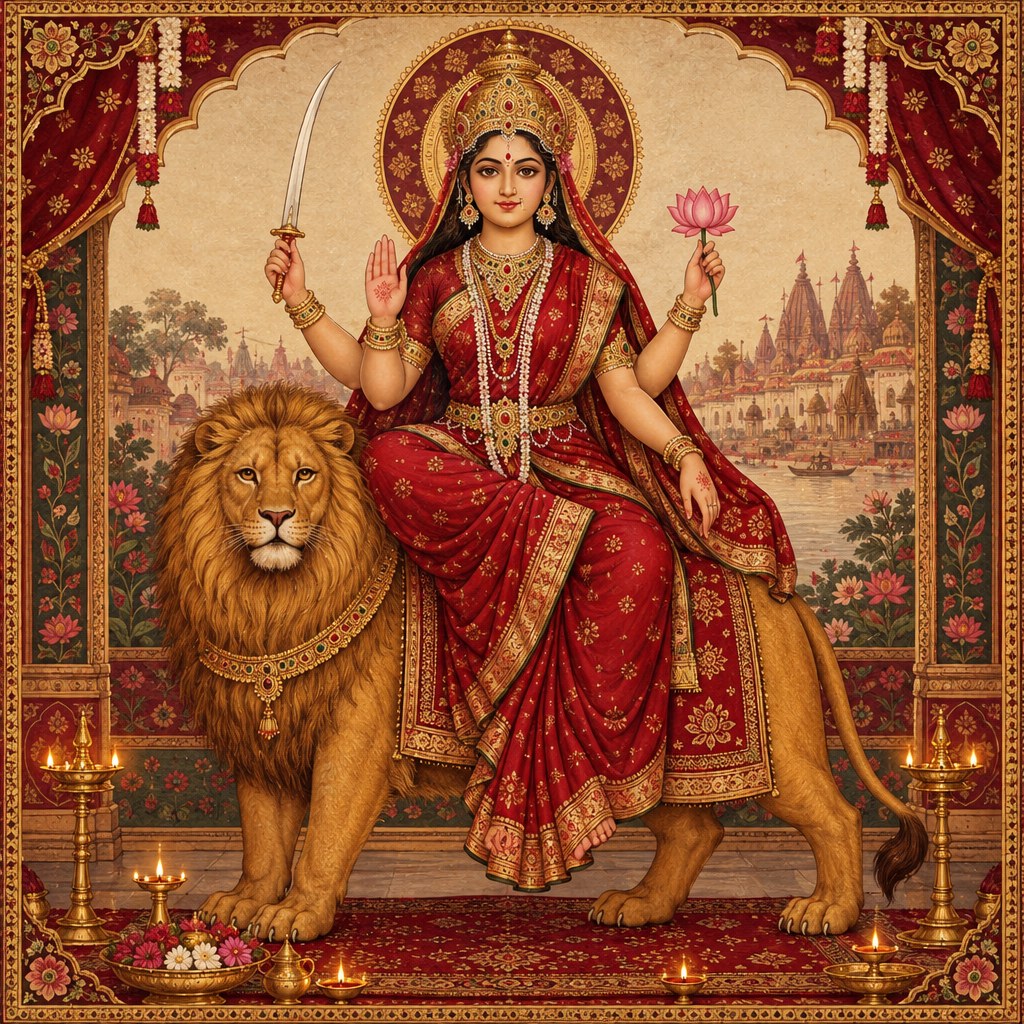
Explore Maa Katyayani’s form, meaning and symbols, with a simple Navratri reflection and a practice you can carry into daily life.
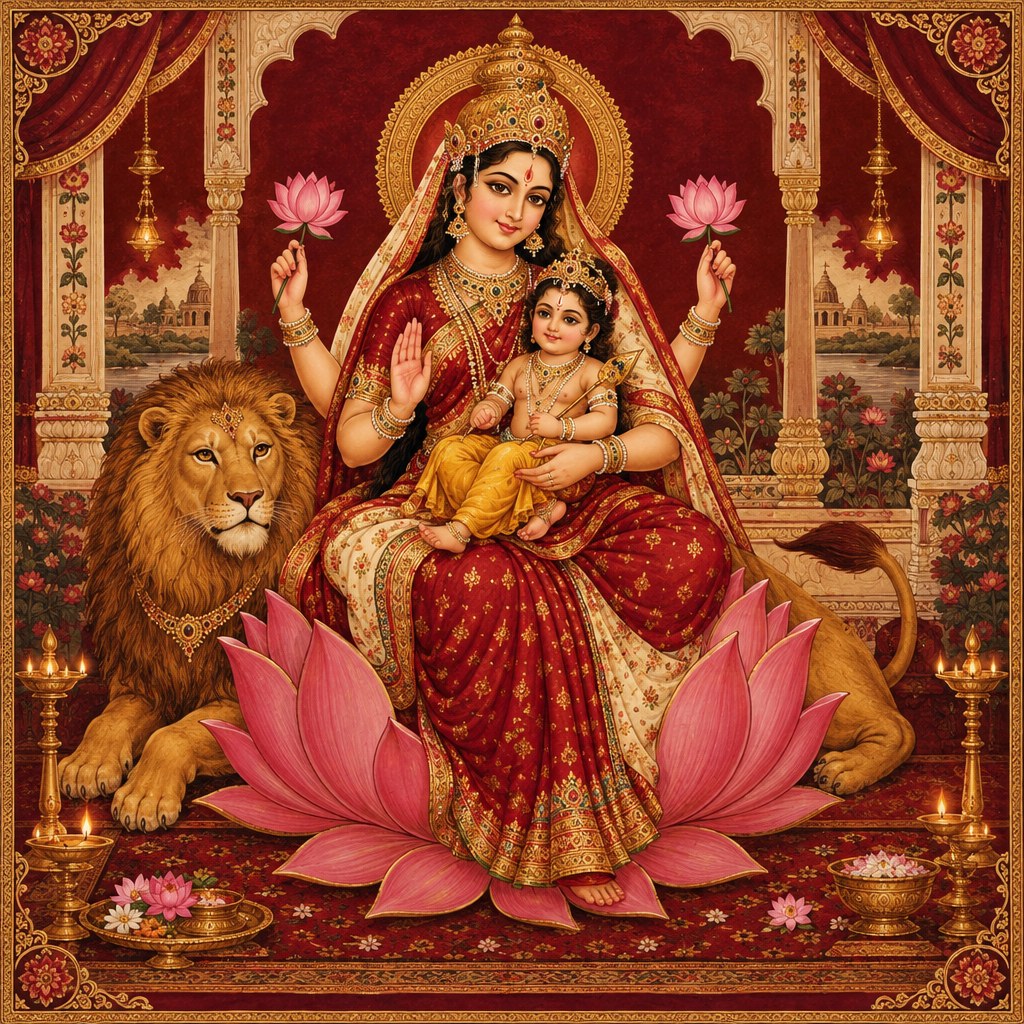
Explore Maa Skandamata’s form, meaning and symbols, with a simple Navratri reflection and a practice you can carry into daily life.