
Meet Krishna Through Books: A Beautiful Bundle Every Child Should Explore
Meet Krishna Through Books: A Beautiful Bundle Every Child Should Explore | Baal Sanskriti | Sanskriti Magazine ॐ Baal Sanskriti • Book Review Meet Krishna

Meet Krishna Through Books: A Beautiful Bundle Every Child Should Explore | Baal Sanskriti | Sanskriti Magazine ॐ Baal Sanskriti • Book Review Meet Krishna
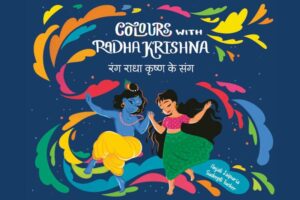
Holi is a festival of colors, joy, and togetherness, making it the perfect time to introduce kids to its rich traditions through storytelling. These 5 must-read picture books bring the magic of Holi alive with engaging narratives, vibrant illustrations, and timeless cultural wisdom. From Radha and Krishna’s playful colors to heartwarming sibling adventures, these books will make Holi even more special for young readers.
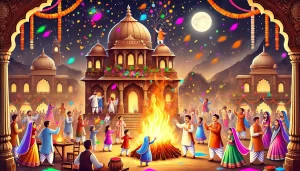
Experience the joy of Holi in its traditional essence! This vibrant scene captures the spirit of Holika Dahan with people gathered around a sacred bonfire, symbolizing the victory of good over evil. The next day, children and adults immerse themselves in the colors of Holi, celebrating unity, happiness, and the cultural heritage of India. The festive decorations, the ancient temple backdrop, and the joyous atmosphere make this an unforgettable depiction of Holi.
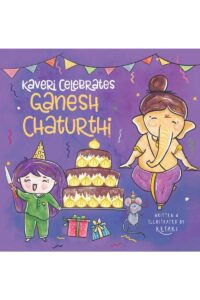
“Kaveri Celebrates Ganesh Chaturthi” by Ketaki Karnik is a charming children’s book that blends tradition, imagination, and a touch of magic. The story follows young

The MODI TOYS Hanuman Mantra Singing Plush Toy is a delightful blend of tradition and comfort, designed for both spiritual growth and emotional warmth. This
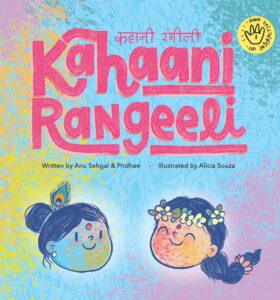
“Kahaani Rangeeli” is an interactive board book in Hindi that brings the vibrant story of Holi to life for young readers. Written by Anu Sehgal


Bhadrapada begins today in North India, opening a lunar month that moves from the midnight

The 12 Jyotirlingas of Lord Shiva — where each stands, its sacred story, and how to make the Dwadasha Jyotirlinga pilgrimage in person or in spirit this Shravan.

The Rudrabhishek is the abhishekam said to please Lord Shiva fastest. What it is, the meaning of each sacred substance, the Sri Rudram, and how it is performed at home this Shravan.

Shravan runs July 30–Aug 27 in 2026, with four Sawan Somwars (Aug 3, 10, 17, 24). Why the whole month belongs to Mahadeva — the churning of the ocean, the poison He drank, and how to keep the Sawan vrat.

Thiruvonam 2026 falls on Wednesday, August 26 — the crown of Kerala’s ten-day festival. The Bhagavata story of King Mahabali and the Vamana avatar, and why Onam is a homecoming, not a defeat.

