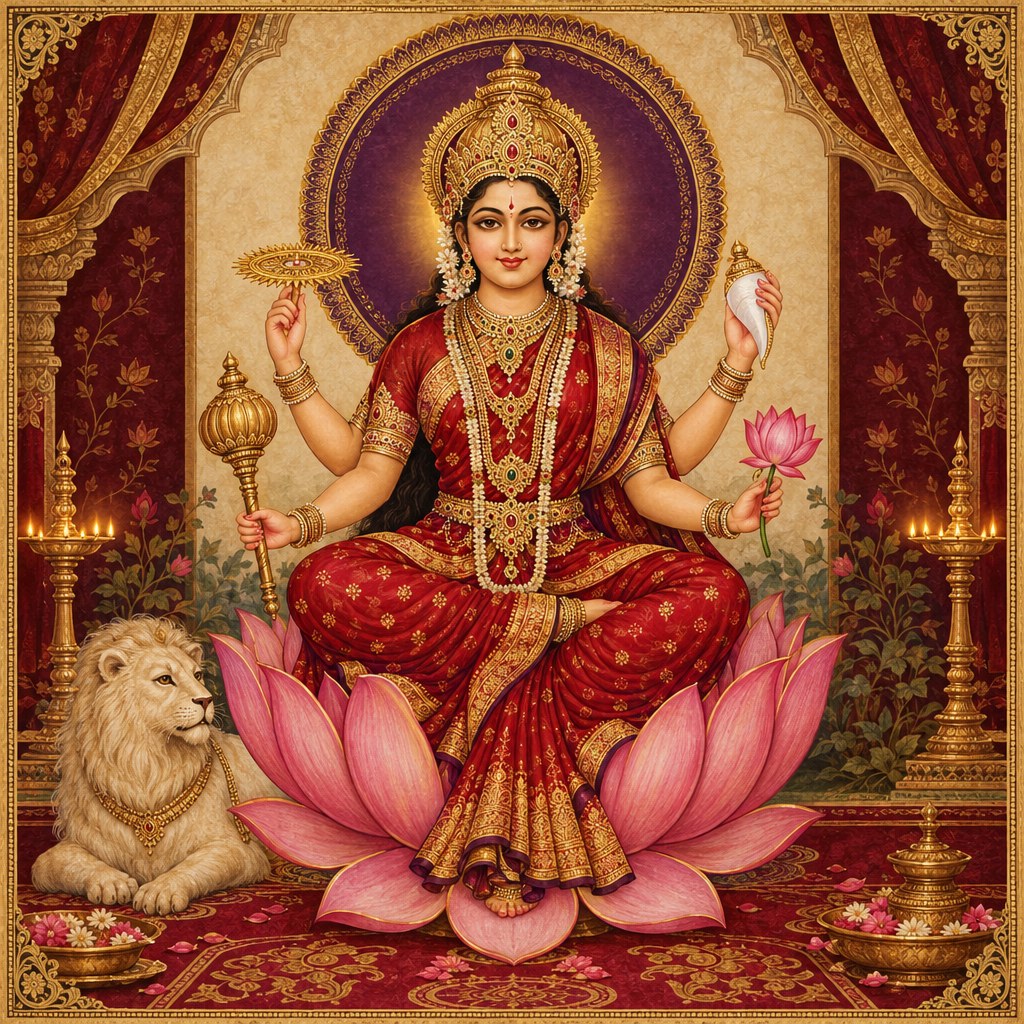
Chhath Puja 2026 is observed from Friday, 13 November to Monday, 16 November. The four-day festival honours Surya Dev and Chhathi Maiya through fasting, careful preparation, family participation and offerings to the setting and rising sun. It is particularly cherished in Bihar, Jharkhand, eastern Uttar Pradesh and the Nepal Terai, and is also observed by families across India and abroad.
The festival stands apart for the prominence of both the evening and morning sun. The offerings are not merely a visual spectacle at the ghats: they are the culmination of days of preparation, restraint and devotion.
Chhath Puja 2026: Complete four-day calendar
| Date | Day | Observance | What happens |
|---|---|---|---|
| 13 November 2026 | Friday | Nahay Khay | Bathing, cleaning and preparing a simple, traditional meal |
| 14 November 2026 | Saturday | Kharna or Lohanda | Daytime fasting followed by evening worship and prasad |
| 15 November 2026 | Sunday | Sandhya Arghya | Offerings to the setting sun at a riverbank or other suitable water body |
| 16 November 2026 | Monday | Usha Arghya and Parana | Offerings to the rising sun, followed by concluding the fast |
These are the dates in the New Delhi Chhath calendar. Local sunrise and sunset times differ from place to place; always consult the panchang for the location where the arghya will be offered.
Day 1: Nahay Khay, 13 November
The first day establishes the festival’s emphasis on purity and care. Devotees bathe, clean the home and prepare a simple meal according to family tradition. Many households associate the day with rice, dal and a seasonal vegetable such as bottle gourd, but recipes vary. Preparing food carefully and maintaining cleanliness are central to the observance.
For the wider family, Nahay Khay is often the beginning of shared responsibility: washing utensils, arranging ingredients and preparing the space in which the following days’ prasad will be made.
Day 2: Kharna or Lohanda, 14 November
On Kharna, the fasting devotee observes the day with discipline and offers evening worship before receiving prasad. A traditional preparation is rice kheer made with jaggery, often served with roti or other foods according to household custom. The prasad is then shared with family members and visitors.
In households following the strict nirjala observance, this is followed by a prolonged fast until the final morning arghya. Practices and health considerations differ, so descriptions of fasting should not be treated as one rule imposed on every devotee.
Day 3: Sandhya Arghya, 15 November
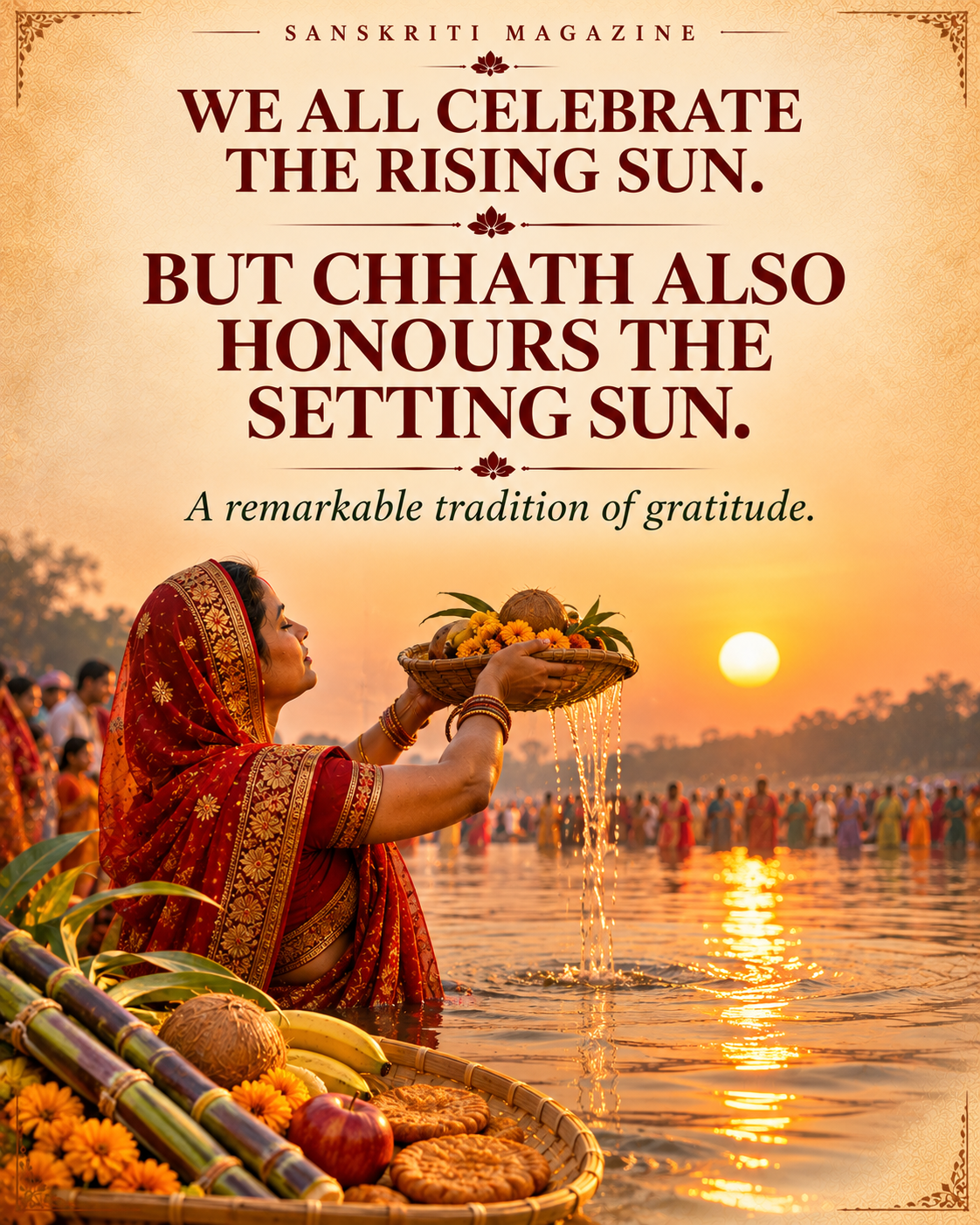
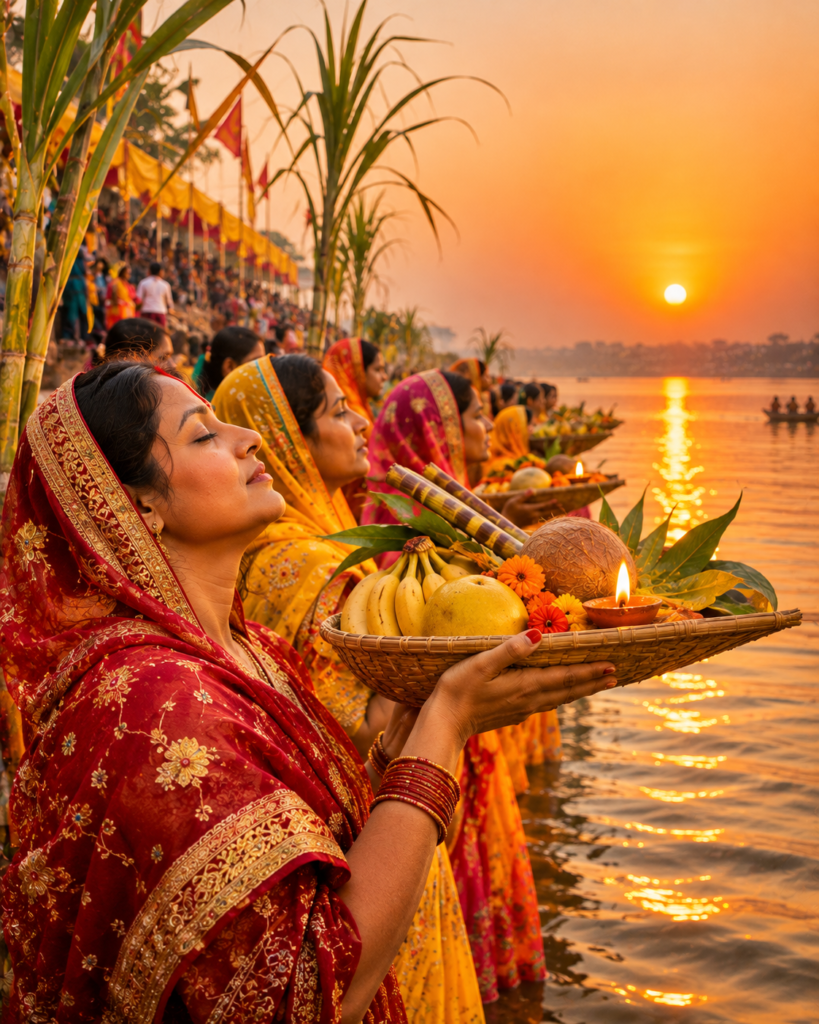
This is the best-known public moment of Chhath. Families gather at ghats and designated places with bamboo soop and daura carrying seasonal fruits, thekua, sugarcane and other offerings. Devotees stand in water and offer arghya to the setting sun. Traditional songs, prayers and the careful arrangement of offerings create a collective atmosphere of gratitude.
For New Delhi, sunset on 15 November 2026 is listed at approximately 5:28 PM. This is the local sunset reference, not a universal national muhurat; local conditions and city-specific timings matter.
Day 4: Usha Arghya, 16 November
Before dawn, families return to the ghat. As the sun rises, devotees offer Usha Arghya and conclude the observance, often distributing prasad among relatives, neighbours and friends.
For New Delhi, sunrise on 16 November 2026 is listed at approximately 6:44 AM. Check the time for your specific city and ghat before planning the ritual.
Why does Chhath honour both the setting and rising sun?
One of the festival’s most distinctive features is that Surya is honoured at two different moments: at sunset and then at sunrise. This pairing invites a reflection that goes beyond beginnings: the setting sun has also sustained life through the day. In the devotional setting of Chhath, gratitude is offered in both directions.
Read our companion feature: Why Chhath Puja honours the setting and rising sun.
Traditional offerings and their meaning
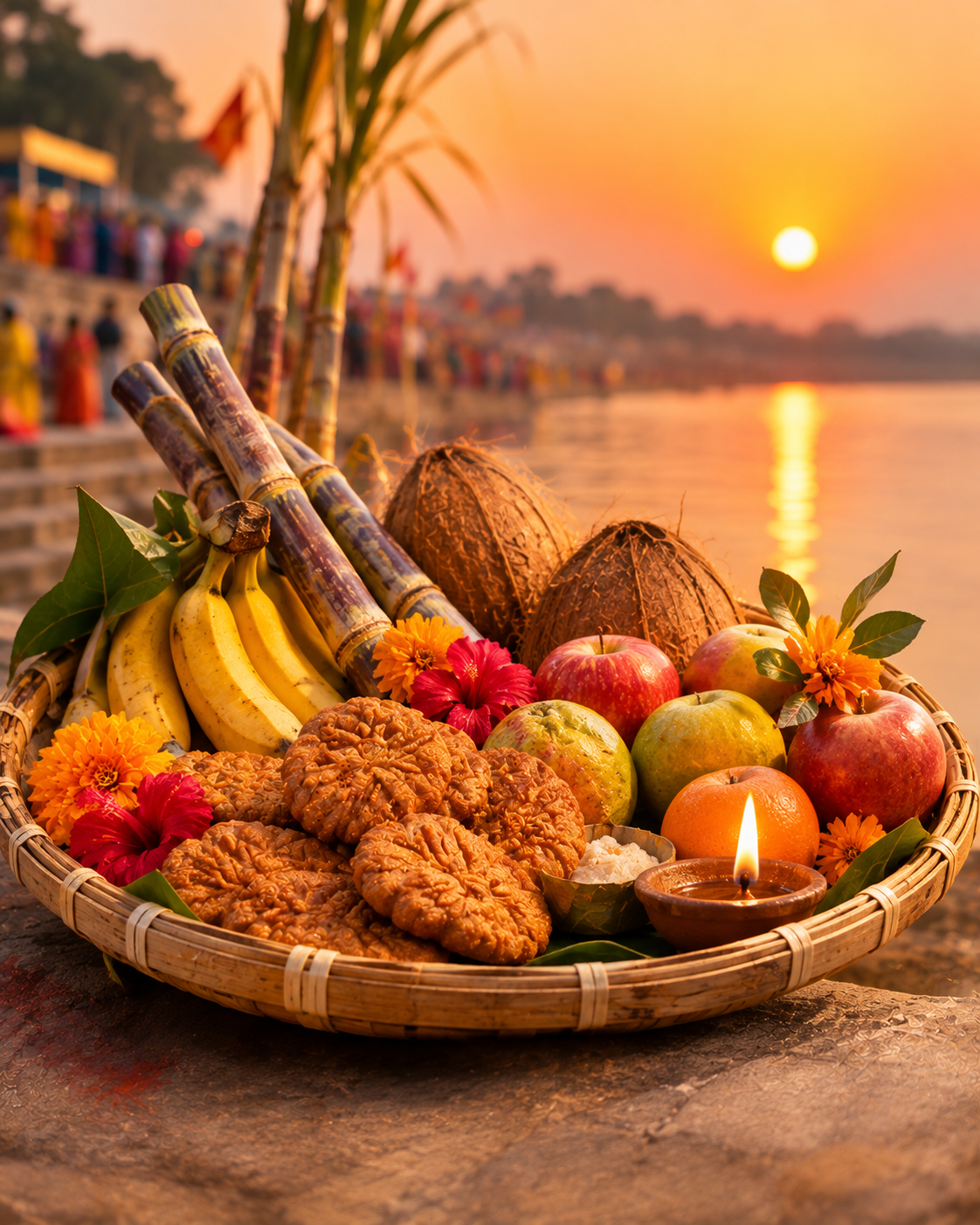
Bamboo baskets, thekua, sugarcane, bananas, coconuts and other seasonal produce appear in many Chhath households. Exact lists vary by region and family. What unites these offerings is the care with which they are prepared and presented. Learn more in our guide to Chhath offerings.
Celebrating with respect
Chhath is a community festival, but it is also a deeply personal vrat. If you are attending a ghat as a visitor, give devotees space, do not obstruct the arghya, avoid littering and ask before photographing anyone closely. Many of the festival’s most meaningful moments happen quietly among family members.
Frequently asked questions
When is Chhath Puja in 2026?
The four days are 13–16 November 2026. The main Sandhya Arghya is on Sunday, 15 November, followed by Usha Arghya on Monday, 16 November.
Is Chhath only celebrated in Bihar?
No. It is strongly associated with Bihar, but is also observed in Jharkhand, eastern Uttar Pradesh, the Nepal Terai and communities far beyond these regions.
Is Chhath only a sunrise festival?
No. Both the setting sun and the rising sun receive arghya, on consecutive days.
Sources and further reading: Bihar Tourism: Chhath Puja; Drik Panchang: Chhath Calendar 2026; Sanskriti Magazine’s earlier feature on Chhath.