Gita Jayanti 2025 — The Day the Bhagavad Gita Was Revealed
Gita Jayanti 2025 — the sacred day Bhagavan Krishna revealed the Bhagavad Gita to Arjuna on the battlefield of Kurukshetra. Key teachings, significance, and how to observe Gita Jayanti.

IndianSanskriti
Skip to contentGita Jayanti 2025 — the sacred day Bhagavan Krishna revealed the Bhagavad Gita to Arjuna on the battlefield of Kurukshetra. Key teachings, significance, and how to observe Gita Jayanti.
Chhath Puja 2025 — the ancient Vedic worship of Bhagavan Surya and Chhathi Maiya. The four-day ritual, its Rigvedic roots, the discipline of Arghya, and why this festival is unmatched in austerity.
Diwali 2025 complete guide — the five days from Dhanteras to Bhai Dooj. Lakshmi Puja vidhi, the return of Bhagavan Rama to Ayodhya, the deeper meaning of inner light, and regional traditions.
Dussehra 2025 — Vijayadashami celebrates Bhagavan Rama’s victory over Ravana and Devi Durga’s triumph over Mahishasura. The Dharmic teaching, regional traditions, and significance.
Sharad Navratri 2025 — the nine sacred nights of Devi Durga worship. Day-by-day guide to the nine forms of Navadurga, colours, mantras, puja vidhi, and the victory of Shakti over darkness.
The sacred science behind Hindu temple architecture — from the Garbhagriha to the Gopuram. How every element of a temple encodes Vedic cosmology, Vastu principles, and the journey of the Atma.

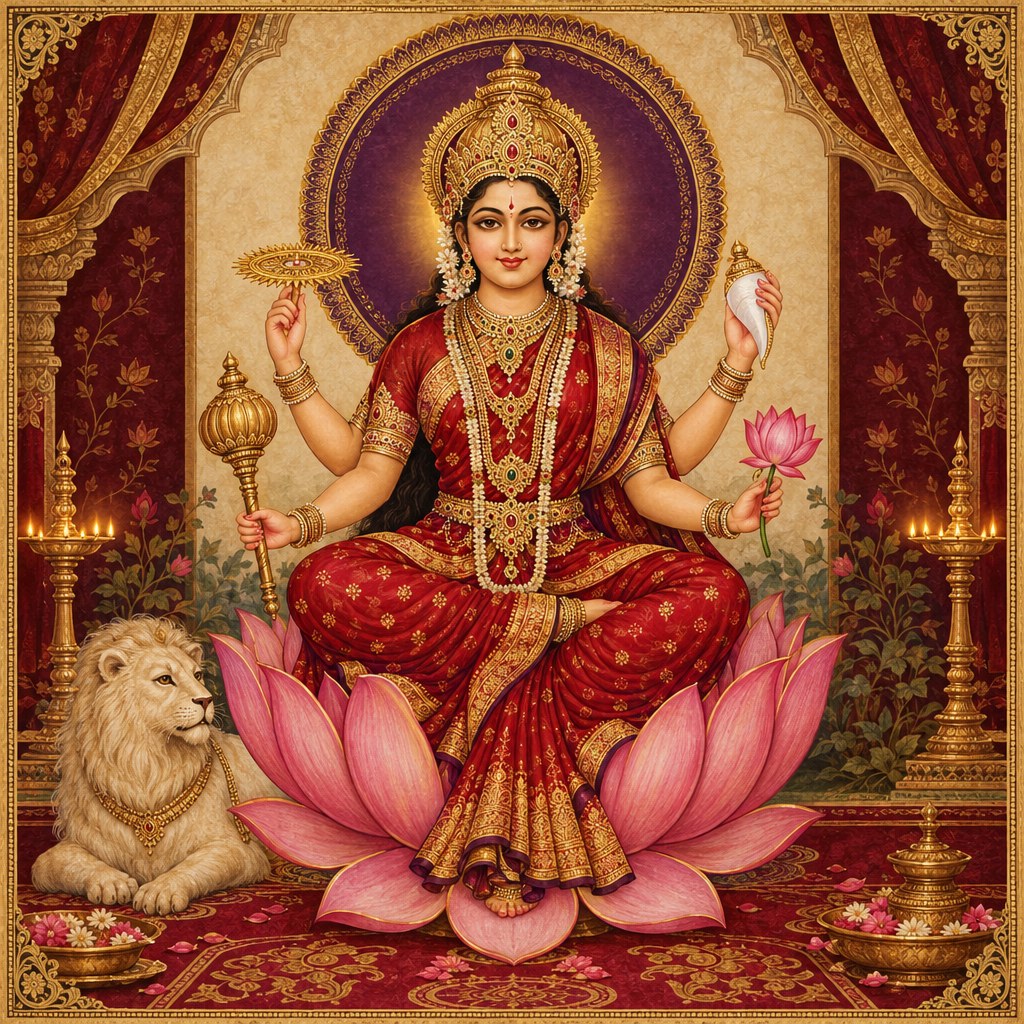
Explore Maa Siddhidatri’s form, meaning and symbols, with a simple Navratri reflection and a practice you can carry into daily life.
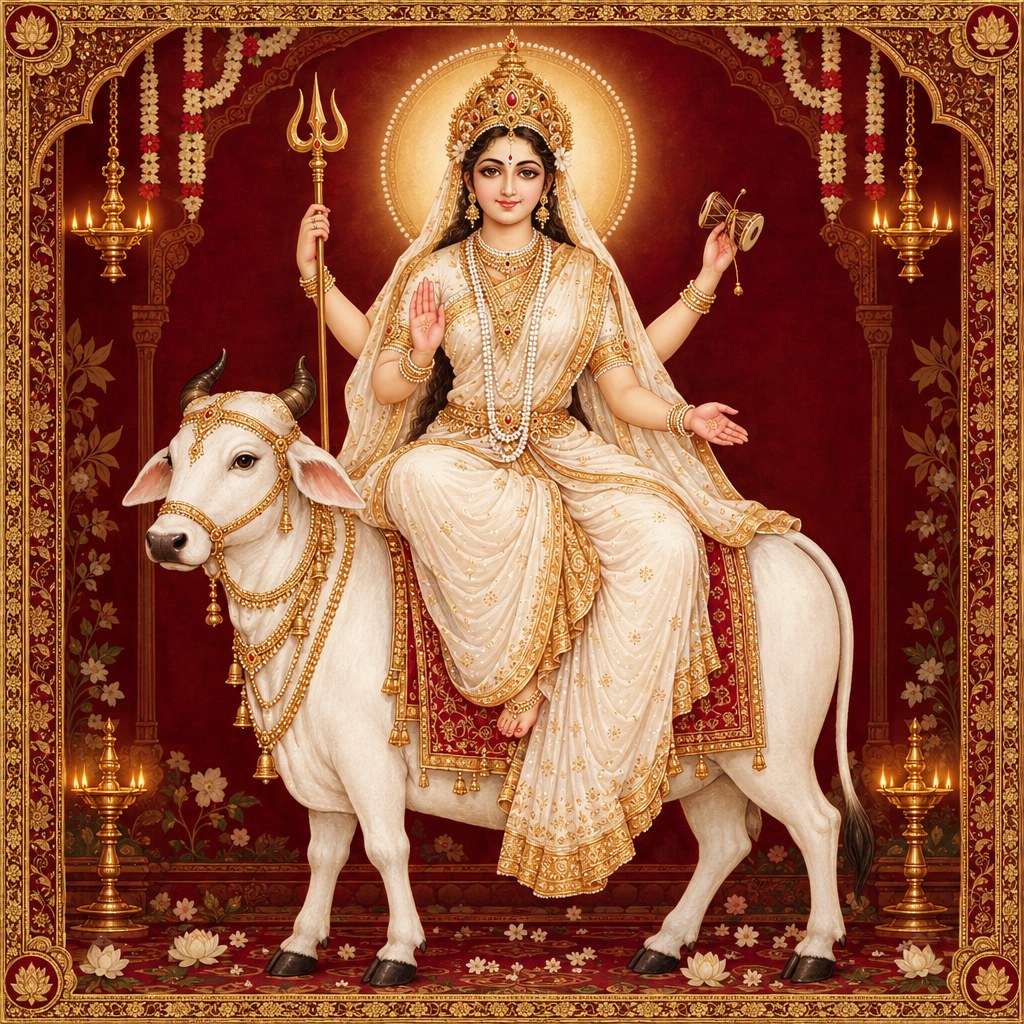
Explore Maa Mahagauri’s form, meaning and symbols, with a simple Navratri reflection and a practice you can carry into daily life.
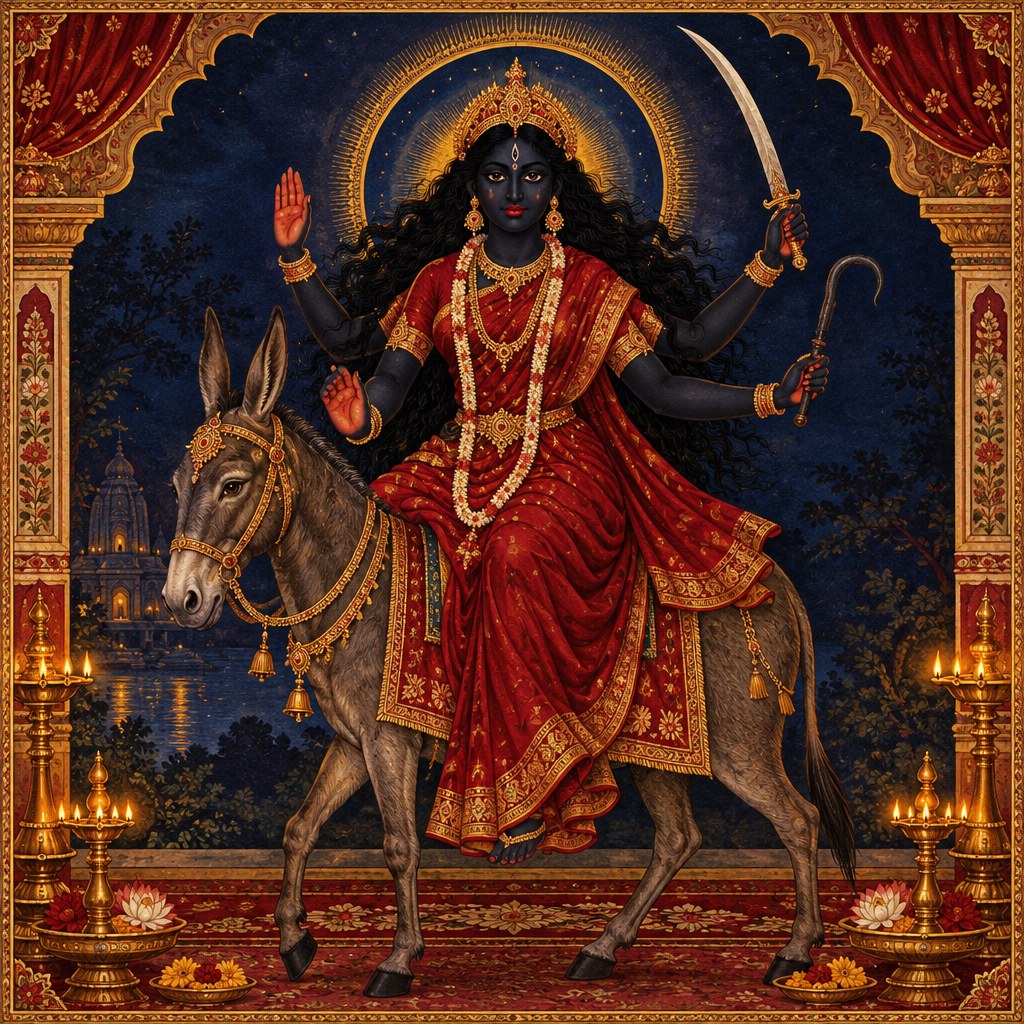
Explore Maa Kalaratri’s form, meaning and symbols, with a simple Navratri reflection and a practice you can carry into daily life.

Explore Maa Katyayani’s form, meaning and symbols, with a simple Navratri reflection and a practice you can carry into daily life.
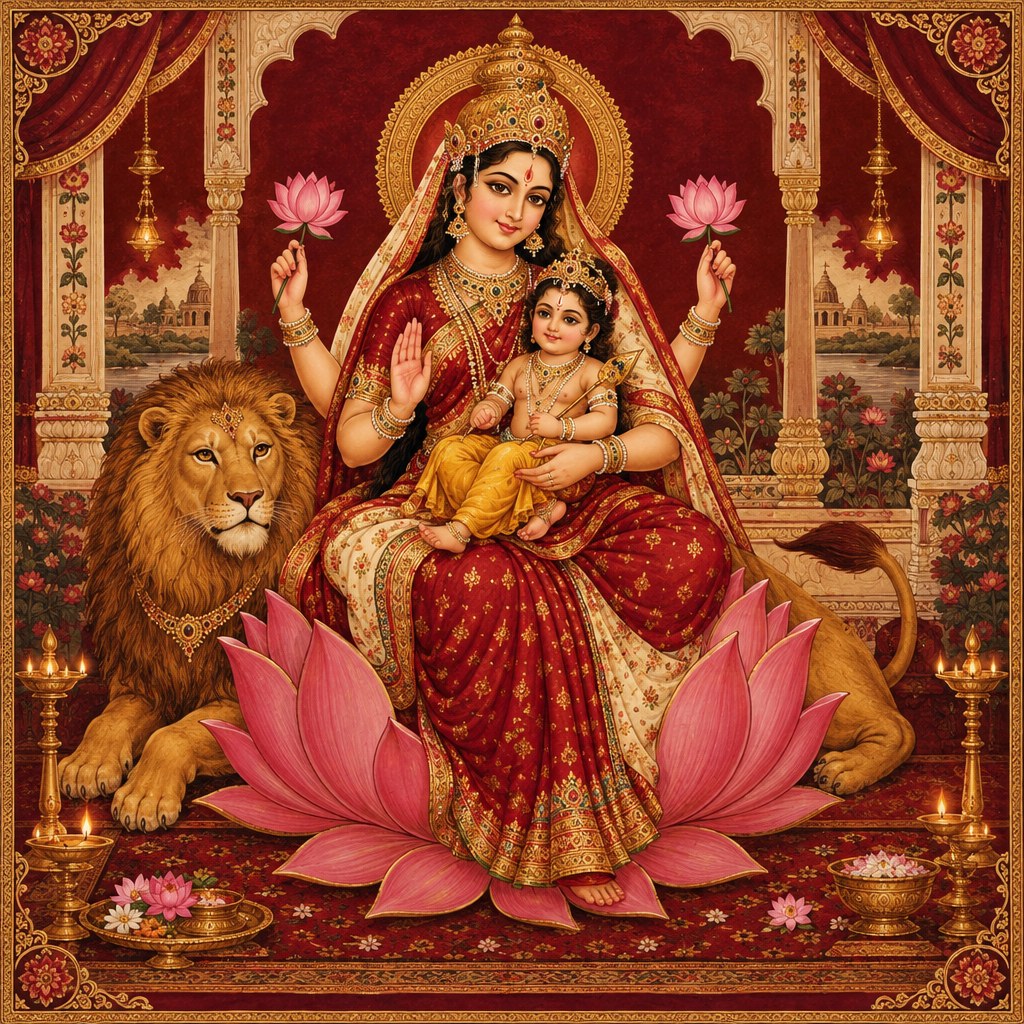
Explore Maa Skandamata’s form, meaning and symbols, with a simple Navratri reflection and a practice you can carry into daily life.

Sanskriti comes from the Sanskrit root “kr” which means to do or to make prefix “sam” is applied before it to convey a sense of embellishment. It means actions done for the holistic refinement and perfection all the potentialities within a human being.
Copyright © 2024. All rights reserved.