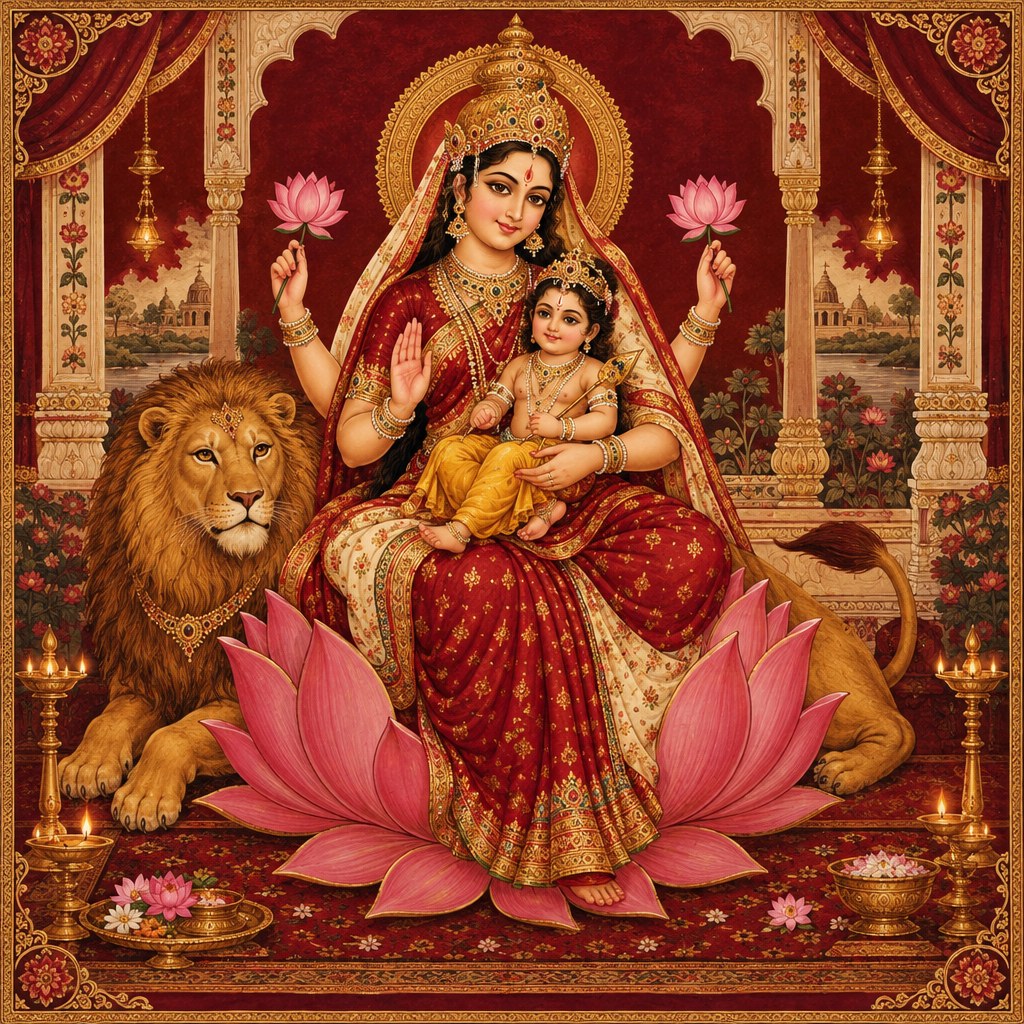
Diwali 2025 — The Festival of Inner Light
Observed on Saturday, November 1, 2025 | Amavasya, Kartik Month
Diwali — Deepavali, the “row of lamps” — is the most widely celebrated festival in Sanatana Dharma and among the most recognised cultural celebrations in the world. It is the festival of light triumphing over darkness, of knowledge over ignorance, of hope over despair. On Diwali night, the entire land of Bharata is illuminated — from the humblest village hut to the grandest city home — with earthen diyas, candles, and lamps, turning the darkest night of the year (Amavasya) into the most luminous.
Diwali 2025 falls on Saturday, November 1. But Diwali is not a single day — it is a five-day celebration, each day carrying its own sacred significance.
The Five Days of Diwali
Day 1 — Dhanteras (Dhantrayodashi)
Falling on the thirteenth day of Krishna Paksha in Kartik, Dhanteras marks the worship of Dhanvantari — the Deva of Ayurveda — who emerged from the Samudra Manthan bearing the pot of Amrita. It is also dedicated to Devi Lakshmi. Devotees clean their homes, buy new utensils or gold, and light the first diyas to welcome prosperity.
Day 2 — Naraka Chaturdashi (Chhoti Diwali)
This day celebrates Bhagavan Krishna’s victory over the asura Narakasura, who had imprisoned 16,100 women and terrorised the three worlds. Krishna, along with Satyabhama, slew Narakasura and liberated the captives. An early morning oil bath (abhyanga snan) before sunrise is the traditional observance.
Day 3 — Diwali (Lakshmi Puja)
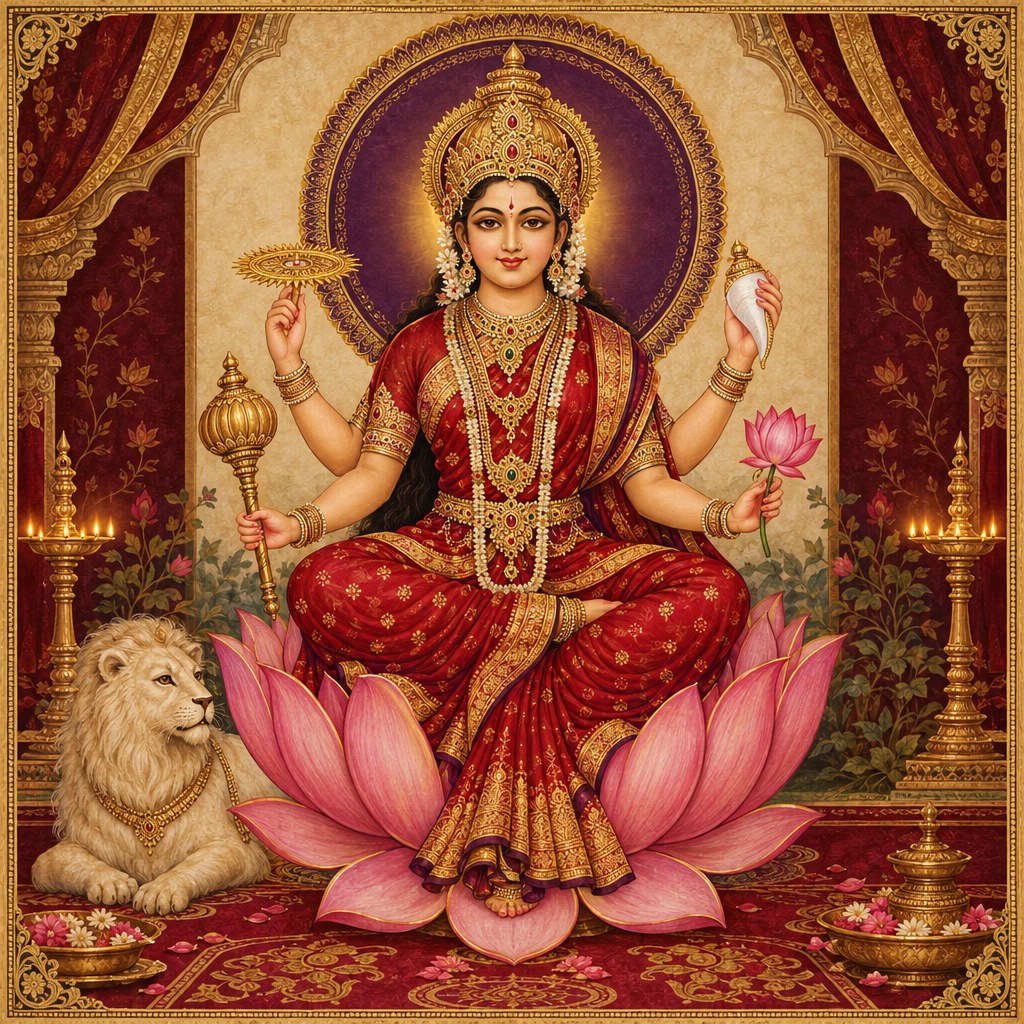
The main day of Diwali is dedicated to Devi Lakshmi. Homes are illuminated with rows of diyas, rangolis adorn every threshold, and Lakshmi Puja is performed during the pradosh kaal (evening). The Shastras say Devi Lakshmi visits the homes that are clean, lit, and filled with devotion on this night. This is also the day that celebrates Bhagavan Rama’s return to Ayodhya after fourteen years of exile and His victory over Ravana. The citizens of Ayodhya lit diyas to welcome their beloved king home — and we continue that tradition to this day.
Day 4 — Govardhan Puja (Annakut)
This day commemorates Bhagavan Krishna lifting the Govardhan Hill on His little finger to protect the people of Vraja from Indra’s wrath. Mountains of food (Annakut) are offered to the deity, and in many regions, this day is also celebrated as the beginning of Vikram Samvat — the Hindu New Year.
Day 5 — Bhai Dooj
The final day celebrates the sacred bond between brother and sister. Sisters apply tilak on their brothers’ foreheads, pray for their wellbeing, and brothers pledge to protect their sisters. This mirrors the bond between Yama and his sister Yamuna.
Lakshmi Puja — The Heart of Diwali
The central ritual of Diwali is Lakshmi Puja, performed on the Amavasya night. The puja involves cleaning and decorating the home, creating a beautiful rangoli at the entrance, placing Devi Lakshmi and Bhagavan Ganesha murtis or images on the altar, performing Shodashopachara Puja with flowers, fruits, sweets, and coins, chanting the Sri Sukta and Lakshmi Ashtottara Shatanamavali, and lighting rows of diyas — at least one in every room and at every entrance.
ॐ श्रीं ह्रीं श्रीं कमले कमलालये प्रसीद प्रसीद ॐ श्रीं ह्रीं श्रीं महालक्ष्म्यै नमः
Om Shreem Hreem Shreem Kamale Kamalalaye Praseed Praseed Om Shreem Hreem Shreem Mahalakshmyai Namah
The Deeper Meaning — From Outer Lamps to Inner Light
The deepest teaching of Diwali is not about the lamps we light outside — it is about the lamp we light within. The Amavasya (new moon) represents the darkest night — the state of maximum spiritual ignorance. The diya represents Atma Jyoti — the light of the Self, the inner awareness that dispels the darkness of avidya (ignorance).
When we light a diya on Diwali, we are performing a symbolic act of the highest Vedantic significance: we are affirming that even in the deepest darkness, one small flame of awareness is enough to illuminate everything. This is the teaching of the Upanishads: “Tamaso ma jyotirgamaya” — “Lead me from darkness to light.”
Devi Lakshmi does not merely represent material wealth. She is Sri — the divine grace that brings abundance in all its forms: health, wisdom, harmony, children, creative power, courage, and ultimately, Moksha. When we worship Lakshmi on Diwali, we are not merely asking for prosperity — we are opening ourselves to the full spectrum of divine abundance.
May the light of a thousand diyas illuminate your home, your heart, and your path. May Devi Lakshmi and Bhagavan Ganesha bless you and your family with every form of abundance this Diwali.
Shubh Deepavali 🪔🙏
Sanskriti Magazine — Sharing Indian Heritage, Achievements, Practices and Values with the world.