As nine quiet nights of worship draw to a close, Gupt Navratri leaves behind a powerful reminder: not every sacred practice needs an audience.
There may be no crowded pandal, no public procession and no sound of garba carrying through the night.
Ashadha Gupt Navratri ends differently.
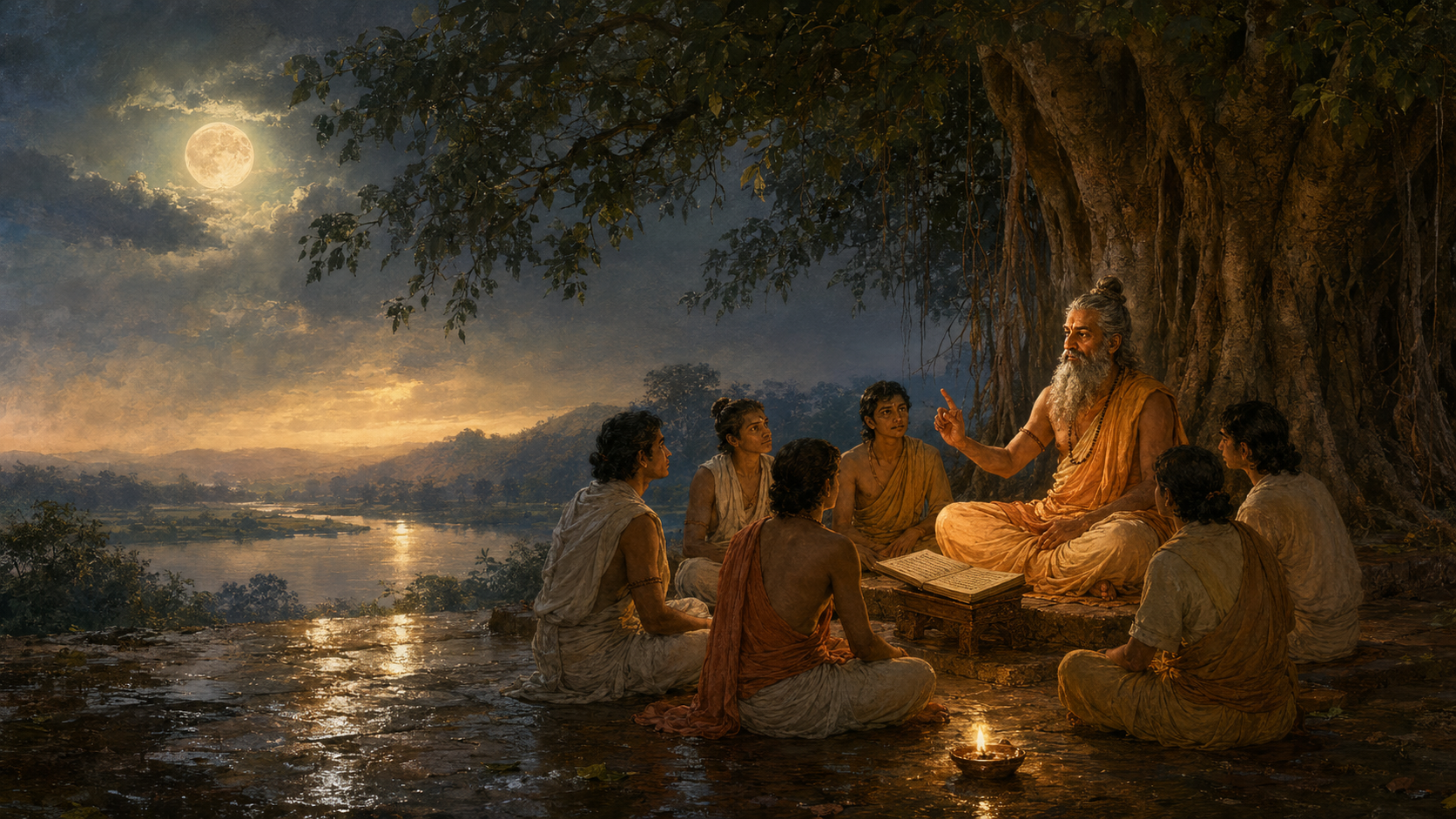
In many homes and spiritual traditions, the final morning arrives with the same stillness in which the observance began. A lamp burns before Maa Durga. A mantra is completed. Flowers are offered. A sankalpa, the sacred intention taken at the beginning of the nine nights, is brought to its conclusion.
On Thursday, July 23, 2026, devotees complete Ashadha Gupt Navratri with Navratri Parana after Navami Tithi ends. It is a quiet conclusion to one of the least publicly celebrated, yet deeply inward, periods of Devi worship in the Hindu calendar.
Its message is simple: the deepest change often begins where no one else can see it.
Ashadha Gupt Navratri 2026 dates and Parana time
For New Delhi and the surrounding region:
- Ashadha Gupt Navratri began on Wednesday, July 15, 2026.
- Ghatasthapana was observed on Pratipada Tithi on July 15.
- Navami Tithi began at 5:16 AM on July 22.
- Navami Tithi ends at 7:03 AM on July 23.
- Navratri Parana may be performed after 7:03 AM on Thursday, July 23, when Dashami Tithi prevails.
These timings follow the New Delhi Panchang. Tithi and Parana timings vary by location, so devotees outside Delhi should refer to a local Panchang.
What is Gupt Navratri?
Most people know the two widely celebrated Navratris:
- Chaitra Navratri in spring
- Sharad or Shardiya Navratri in autumn
Hindu tradition also recognises two less publicly observed Navratris:
- Magha Gupt Navratri
- Ashadha Gupt Navratri
Together, these form the four Navratris named in traditional calendars. Ashadha Gupt Navratri begins on Shukla Paksha Pratipada, the first lunar day of the waxing fortnight in the month of Ashadha.
The word gupt means hidden, concealed or protected from public view.
This does not mean the observance is secret in the ordinary sense. It points to the nature of the sadhana. The emphasis rests on personal discipline, mantra japa, meditation, restraint and worship carried out without public display.
Where Sharad Navratri often fills streets and community spaces with collective celebration, Gupt Navratri turns the seeker inward.
Why is the worship kept private?
Some spiritual practices become stronger through repetition, attention and silence.
Gupt Navratri asks the devotee to protect the inner work from distraction. The purpose is not to announce a fast, count the hours of prayer publicly or seek recognition for discipline. The purpose is to stay present with the sankalpa.
For one person, that may mean completing a daily mantra practice.
For another, it may mean controlling anger, speaking less harshly, eating sattvic food or setting aside time for meditation.
For someone else, the nine nights may simply become a period of returning to Maa Durga each morning and evening with greater sincerity.
The form may vary. The principle remains the same: spiritual discipline is measured by what it changes within us, not by how visible it becomes to others.
Navdurga and the Dasha Mahavidya traditions
Ashadha Gupt Navratri is connected with different streams of Devi worship.
Many household devotees worship the nine forms of Maa Durga, moving from Maa Shailputri on Pratipada to Maa Siddhidatri on Navami. This follows the familiar Navdurga sequence observed during other Navratris.
Within specialised Shakta and Tantric traditions, Gupt Navratri is also associated with the Dasha Mahavidya, the ten great wisdom forms of Adi Shakti:
- Maa Kali
- Maa Tara
- Maa Tripura Sundari
- Maa Bhuvaneshwari
- Maa Chhinnamasta
- Maa Tripura Bhairavi
- Maa Dhumavati
- Maa Bagalamukhi
- Maa Matangi
- Maa Kamala
These are distinct traditions with their own mantras, disciplines and lineages. A simple household observance does not require specialised Tantric practice. Many devotees mark the period through ordinary Devi puja, recitation, meditation and sattvic living.
This distinction matters. Gupt Navratri is open to sincere devotion, while advanced practices remain rooted in guidance, preparation and sampradaya.
Maa Siddhidatri and the completion of the nine-night journey
The ninth form of Navdurga is Maa Siddhidatri.
Her name joins two Sanskrit words: siddhi, meaning spiritual accomplishment or perfection, and datri, meaning the giver. She is the Devi who bestows siddhi.
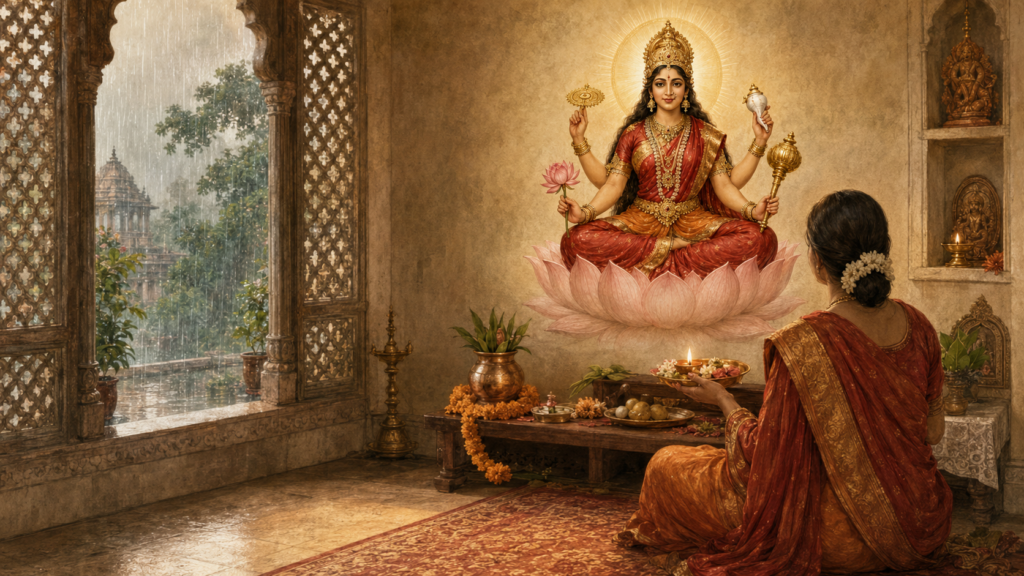
Maa Siddhidatri is depicted seated upon a lotus, with four arms holding a lotus, gada, chakra and shankha. Her serene form represents completion after effort, clarity after discipline and grace after surrender.
Yet the final lesson of Navratri is not the pursuit of extraordinary power.
The more lasting siddhis may be quieter:
- The ability to remain steady when life becomes uncertain
- The strength to pause before reacting
- The discipline to continue a practice when motivation fades
- The clarity to recognise what no longer belongs in one’s life
- The humility to offer the result of effort back to the Devi
Maa Siddhidatri closes the Navdurga journey by turning achievement into surrender.
Read more: Maa Siddhidatri — The Bestower of All Siddhis — The Final, Greatest Blessing
What is Navratri Parana?
Parana is the formal completion of a vrat and the breaking of the fast.
For devotees who observed all nine days, it is performed after Navami Tithi has ended and Dashami Tithi prevails. In New Delhi, this occurs after 7:03 AM on July 23, 2026.
Parana is more than the first meal after fasting.
It completes the sankalpa taken at the beginning of Navratri. The devotee offers gratitude, concludes the prescribed japa or path, respectfully completes the Ghatasthapana observance where applicable, and then breaks the fast according to family or sampradaya practice.
The act carries an important spiritual idea: discipline should have a conscious beginning and a conscious end.
A simple way to conclude Gupt Navratri at home
Household practices differ, but a simple conclusion may include:
- Bathe and clean the worship space.
- Light a diya and offer flowers, fruit or a sattvic preparation to Maa Durga.
- Complete the mantra, stotra or scripture reading followed during the nine days.
- Offer gratitude for the strength to complete the sankalpa.
- Perform aarti and distribute prasad.
- Break the fast after the local Parana time according to your family tradition.
A simple mantra for Maa Siddhidatri is:
ॐ देवी सिद्धिदात्र्यै नमः॥
Om Devi Siddhidatryai Namah
Children, older adults, pregnant people and anyone managing a health condition can adapt fasting to their needs. Devotion does not depend on physical hardship.
What these nine quiet nights leave behind
The value of a sacred observance becomes visible after the ritual ends.
Does the mind return more easily to stillness?
Has one difficult habit loosened its hold?
Can a daily prayer continue even without the structure of Navratri?
Ashadha Gupt Navratri does not ask the seeker to emerge with a public declaration. It asks for something harder: to carry the discipline quietly into ordinary life.
The lamp may be extinguished after the final aarti. The kalash may be respectfully concluded. The fast may end.
But the inner practice need not end with it.
As these nine sacred nights close, may Maa Siddhidatri grant the clarity to recognise true accomplishment, the discipline to protect what is sacred, and the humility to grow without needing to be seen.