Ganga Saptami 2026 — When the Sacred River Descended to Earth
Observed on Thursday, April 23, 2026 | Vaishakha Shukla Saptami
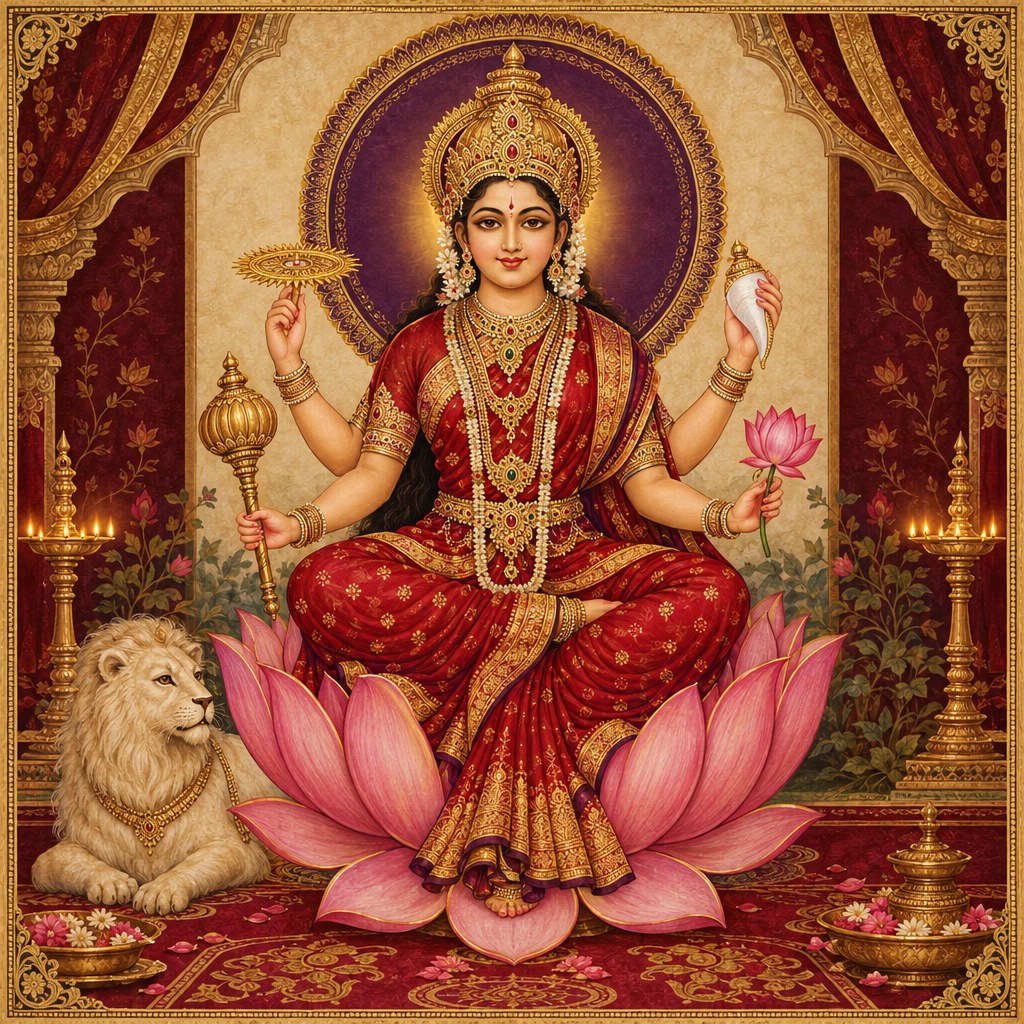
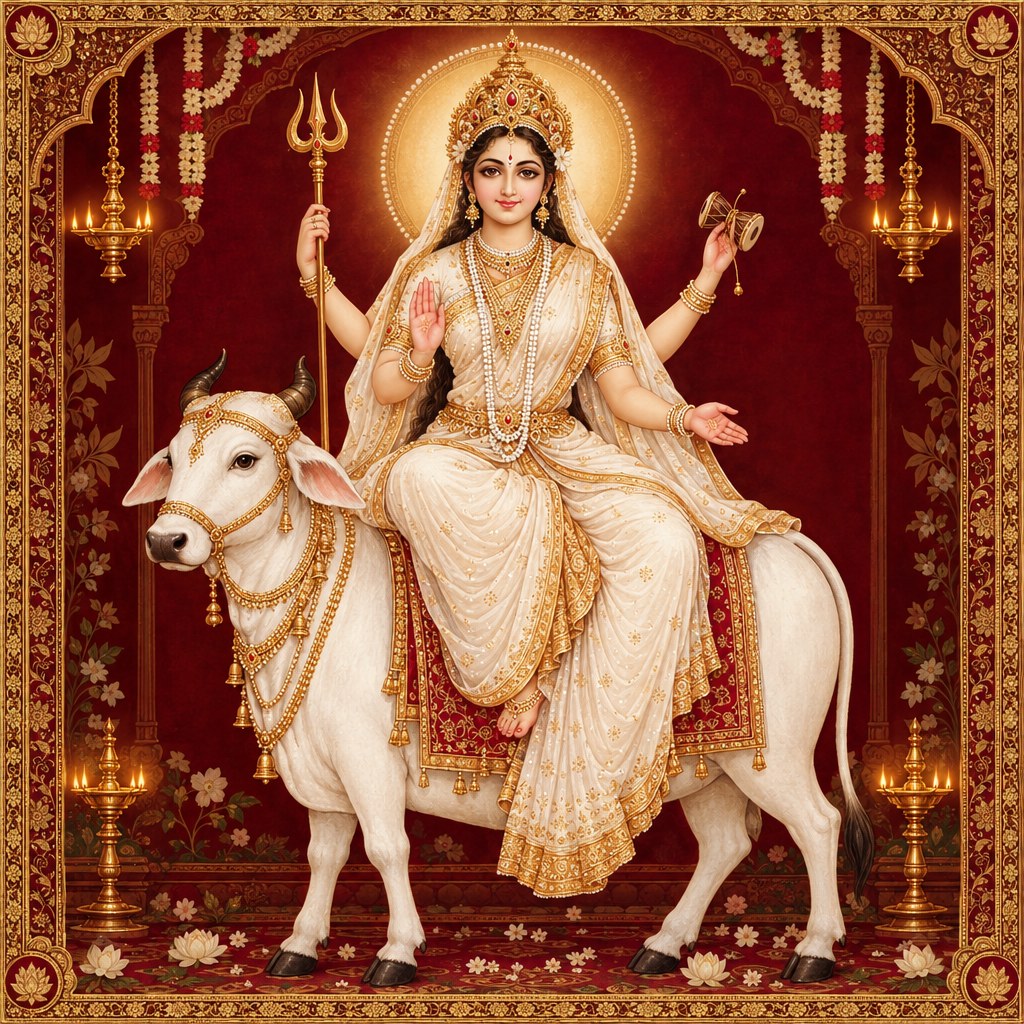
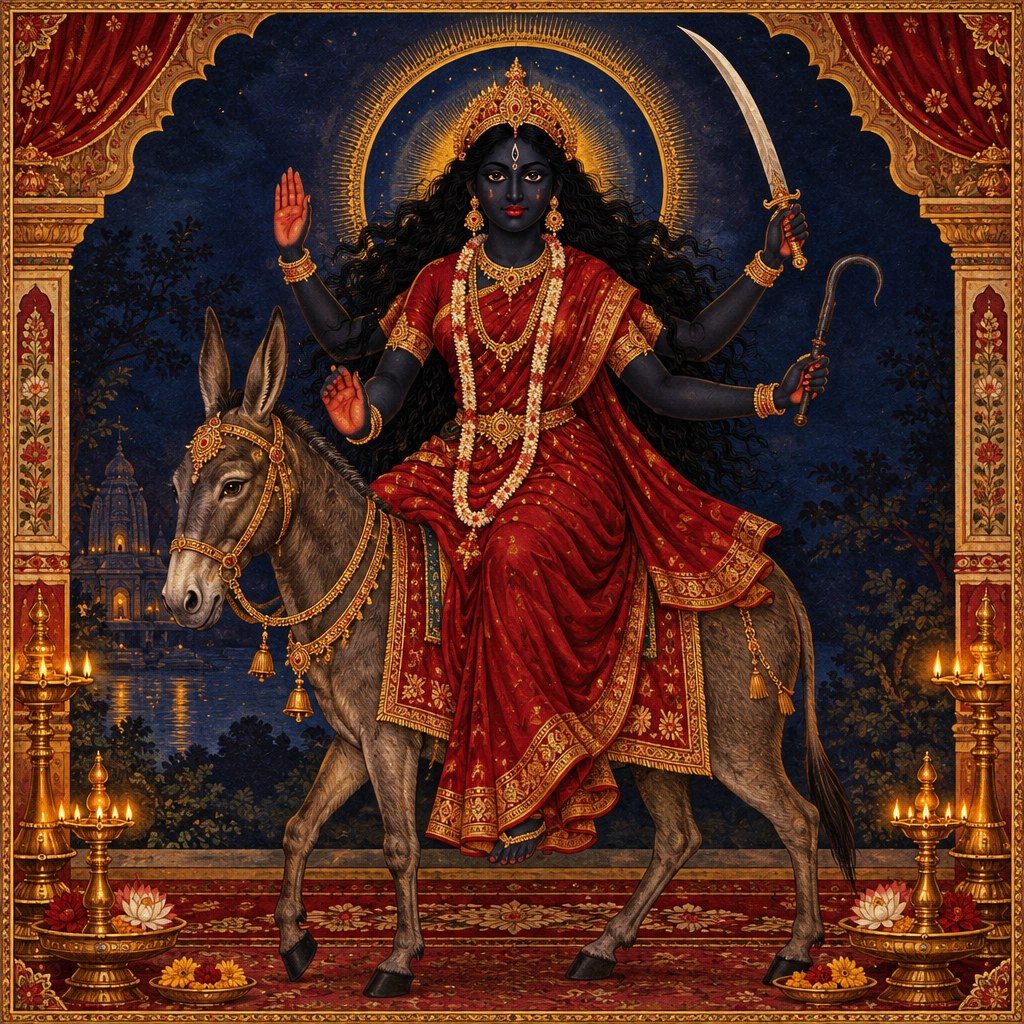
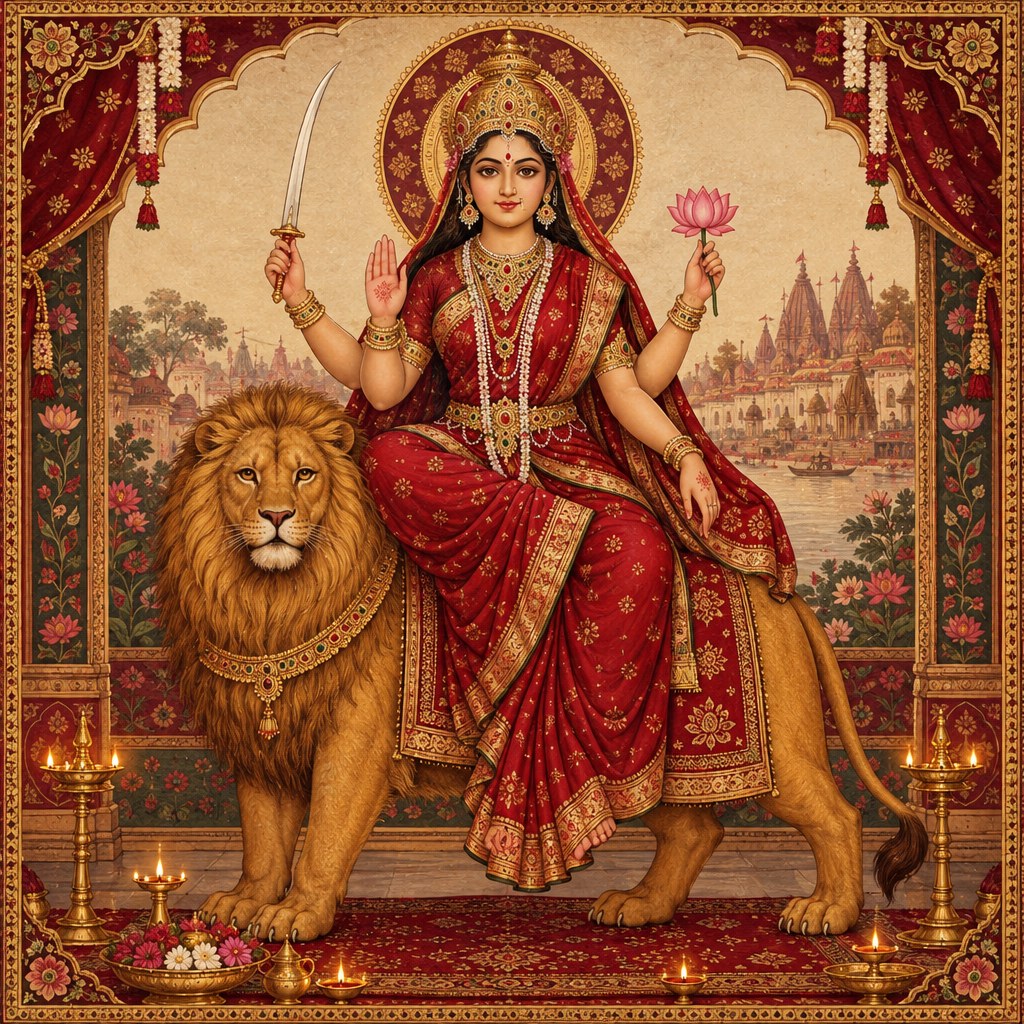
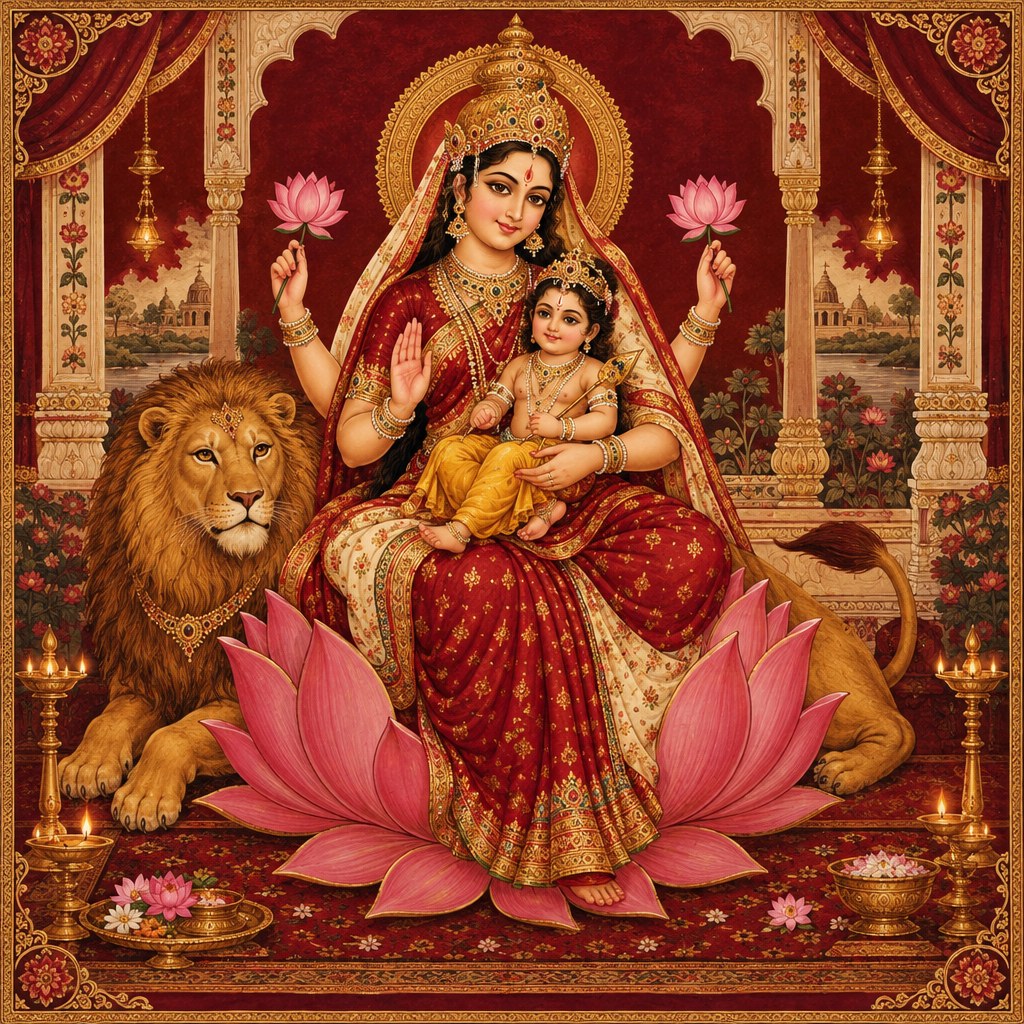
Of all the rivers that flow through the land of Bharata, one stands apart — not merely as a river, but as a Devi, a mother, and the very embodiment of divine grace flowing into the world. She is Maa Ganga — the sacred river whose waters purify the living, liberate the dead, and sustain the Dharmic civilisation that has flourished on Her banks for millennia. Ganga Saptami, also known as Ganga Jayanti and Jahnu Saptami, celebrates the day Maa Ganga descended from the celestial realm to Bhuloka — answering the prayers of a king, fulfilling the tapasya of generations, and beginning Her eternal journey across the sacred geography of Bharata.
Ganga Saptami 2026 falls on Thursday, April 23 — in the auspicious month of Vaishakha, on the Shukla Paksha Saptami tithi.
Ganga Saptami 2026 — Tithi Details and Puja Timings
- Date: Thursday, April 23, 2026
- Tithi: Vaishakha Shukla Saptami
- Saptami Tithi Begins: 10:49 PM on April 22, 2026
- Saptami Tithi Ends: 8:49 PM on April 23, 2026
- Puja Muhurat (Madhyahna): 10:49 AM to 1:25 PM (2 hours 36 minutes)
The Puranic Account — How Maa Ganga Came to Earth
The Curse of Kapila Muni and the Plight of the Sagara Princes
The story of the Ganga’s descent begins with King Sagara of the Ikshvaku dynasty — an ancestor of Bhagavan Rama. King Sagara performed the Ashwamedha Yajna, but Indra, fearing the king’s growing power, stole the sacrificial horse and hid it near the ashrama of Kapila Muni, a great Rishi absorbed in deep meditation.
Sagara sent his sixty thousand sons to search for the horse. When they found it near the meditating sage, they accused Kapila Muni of theft and disturbed his tapasya. The Rishi opened his eyes — and the fire of his accumulated spiritual energy reduced all sixty thousand princes to ashes in an instant. Their souls, denied proper funeral rites, could not attain sadgati (a good afterlife) and remained trapped in the netherworld.
Bhagiratha’s Tapasya — The Devotion That Moved Heaven
Generations passed. King after king attempted to find a way to liberate the souls of the Sagara princes. The only remedy, they learned, was the sacred waters of Ganga — a celestial river that flowed in Swarga (heaven). Only Her waters could purify the ashes and grant the departed souls Moksha. But how could a heavenly river be brought down to earth?
It was King Bhagiratha, a descendant of Sagara, who finally accomplished the impossible. He performed tapasya of such extraordinary intensity — standing on one leg, subsisting on air alone, for thousands of years by some accounts — that Bhagavan Brahma was pleased and granted his wish. Brahma directed Ganga to descend to Bhuloka.
But there was a problem. Ganga’s descent from heaven would be so powerful that the sheer force of Her waters would shatter the earth. No being could withstand that impact — except one.
Bhagavan Shiva Receives the Ganga
Bhagiratha turned to Bhagavan Shiva and prayed for His help. Mahadeva agreed. When Maa Ganga descended from Swarga with the full force of a celestial river, Bhagavan Shiva received Her in His matted locks (jata), breaking Her fall and releasing Her gently onto the earth in controlled streams. This is why Bhagavan Shiva is called Gangadhara — “He who bears the Ganga” — and why the iconic image of Ganga flowing from Shiva’s jata is one of the most beloved images in all of Hindu art.
From Shiva’s locks, the Ganga flowed down to the plains, following Bhagiratha’s chariot across the length of Bharata. When She reached the spot where the ashes of the sixty thousand Sagara princes lay, Her sacred waters touched the ashes — and the souls of the princes were instantly liberated, rising to Swarga. Bhagiratha’s vow was fulfilled. And the river that he had brought to earth continued to flow — not just for his ancestors, but for all of humanity, for all of time.
Jahnu Muni and the Name “Jahnavi”
During Her earthly journey, the Ganga’s waters flooded the ashrama of Rishi Jahnu, disturbing his yajna. The angered sage drank up the entire river in a single gulp. Bhagiratha, distraught, prayed to the Rishi, who was moved by the king’s devotion and released the Ganga through his ear. From this episode, the Ganga received the name Jahnavi — “daughter of Jahnu.” This is also why Ganga Saptami is known as Jahnu Saptami.
The Sacred Ghats — Where Heaven Meets Earth
The banks of the Ganga are lined with sacred ghats that have been centres of worship, cremation, learning, and pilgrimage for thousands of years. On Ganga Saptami, these ghats come alive with special pujas, aartis, and the devotion of millions.
Haridwar — The Gateway of Hari
Har Ki Pauri in Haridwar is where the Ganga enters the plains after descending from the Himalayas. The evening Ganga Aarti here — with rows of priests holding massive flaming lamps, the river reflecting a thousand flames, and the chanting of thousands of devotees — is one of the most awe-inspiring rituals in Sanatana Dharma. On Ganga Saptami, a special puja is performed at the Brahmakund, believed to be the exact spot where the Ganga’s waters first touched the earth.
Varanasi (Kashi) — The Eternal City
The ghats of Varanasi — Dashashwamedh Ghat, Manikarnika Ghat, Assi Ghat — are the spiritual heart of Bharata. The Ganga Aarti at Dashashwamedh Ghat is performed every single evening without exception, but on Ganga Saptami, the ritual takes on a special grandeur. Devotees believe that bathing in the Ganga at Kashi on this day washes away the sins of seven lifetimes.
Prayagraj (Triveni Sangam) — The Confluence of Three Rivers
At Prayagraj, the Ganga meets the Yamuna and the invisible Saraswati at the Triveni Sangam — the most sacred confluence in all of Hinduism. Bathing at the Sangam on Ganga Saptami is considered equivalent to performing a hundred Ashwamedha Yajnas. The Kumbh Mela, the largest human gathering on earth, takes place at this very spot.
Gangotri — The Source
Gangotri, high in the Garhwal Himalayas at an altitude of over 3,000 metres, is the site where the Ganga is believed to have first descended to earth. The Gangotri Temple, dedicated to Maa Ganga, is one of the Char Dham pilgrimage sites. The actual source of the river — the Gaumukh glacier — lies 18 kilometres further, at the snout of a glacier shaped like a cow’s mouth, from which the young Bhagirathi river emerges.
How to Observe Ganga Saptami
The observances of Ganga Saptami are centred on the worship of Maa Ganga and the purifying power of Her sacred waters.
Ganga Snan (Sacred Bath): The most important ritual is bathing in the Ganga — at Haridwar, Varanasi, Prayagraj, Rishikesh, or any point along Her course. For those who cannot reach the Ganga, adding Ganga Jal (Ganga water, kept in most Hindu homes) to the bathing water is considered equivalent. The bath should ideally be taken during the puja muhurat (10:49 AM to 1:25 PM on April 23, 2026).
Ganga Puja: After the bath, devotees perform puja to Maa Ganga with flowers (especially white flowers and lotus), sandalwood paste, incense, a ghee lamp, and fruits. The Ganga Stotra or Ganga Aarti is recited.
Deepa Daan: In the evening, devotees float small diyas (earthen lamps) on the river — a practice that transforms the Ganga into a river of light and is one of the most beautiful sights in all of Bharata.
Dana (Charity): Charity on Ganga Saptami — especially the donation of water, food, and white cloth — is considered highly meritorious.
Ganga Aarti Mantra:
ओम नमः शिवायै नारायण्यै दशहरायै गंगायै नमः
Om Namah Shivayai Narayanyai Dashaharayai Gangayai Namah
“I bow to Ganga — who is Shiva’s grace, Narayana’s blessing, and the destroyer of ten sins.”
गंगे च यमुने चैव गोदावरि सरस्वति
नर्मदे सिन्धु कावेरि जले’स्मिन् सन्निधिं कुरुGange Cha Yamune Chaiva Godavari Saraswati
Narmade Sindhu Kaveri Jalesmin Sannidhim Kuru“O Ganga, Yamuna, Godavari, Saraswati, Narmada, Sindhu, and Kaveri — please be present in these waters.”
Maa Ganga — More Than a River
For Sanatana Dharma, the Ganga is not merely a geographical feature — She is a living Devi, a Tirtha (sacred crossing), and the most powerful purifying force in the cosmos. The Skanda Purana declares that even the mention of Her name purifies the mind, and that one who bathes in Her waters with devotion is freed from the cycle of birth and death.
She is called Tripathaga — “She who flows in three worlds”: in Swarga as Mandakini, on earth as Ganga, and in Patala as Bhagavati. She is Bhagirathi — named after the king who brought Her to earth. She is Jahnavi — daughter of Rishi Jahnu. She is Vishnupadi — “She who emanates from the feet of Bhagavan Vishnu.”
From Gangotri to Ganga Sagar, She flows over 2,500 kilometres, nourishing the largest and most fertile river basin in Bharata — the Gangetic plain that has been the cradle of Hindu civilisation. Millions depend on Her waters for agriculture, drinking water, and daily life. And millions more depend on Her for something deeper — the assurance that in a world of impermanence, there is a river of grace that flows without ceasing, from heaven to earth, from this life to the next.
The Ganga and Conservation — A Sacred Duty
Today, Maa Ganga faces unprecedented challenges from pollution, industrial waste, and environmental degradation. The government’s Namami Gange Mission and various grassroots efforts have made progress, but the task is far from complete. For the Hindu devotee, the conservation of the Ganga is not merely an environmental issue — it is a Dharmic obligation. A civilisation that worships a river as a mother cannot, in good conscience, allow that river to be poisoned.
On this Ganga Saptami, let us not only worship Maa Ganga with flowers and lamps — but also commit to protecting Her with our actions. Every effort to reduce pollution, every act of cleanup, every voice raised for river conservation is, in the truest sense, an act of puja.
May Maa Ganga’s sacred waters purify your body, your mind, and your Atma. May Her flow remind you that divine grace, like Her waters, never stops — it only asks that we open ourselves to receive it.
Har Har Gange! 🙏
Sanskriti Magazine — Sharing Indian Heritage, Achievements, Practices and Values with the world.