
Nuclear Events in Ancient India?
Julius Robert Oppenheimer, the principle developer of the atomic bomb, stated that “The Vedas are the greatest privilege of this century.” During the explosion of

Julius Robert Oppenheimer, the principle developer of the atomic bomb, stated that “The Vedas are the greatest privilege of this century.” During the explosion of
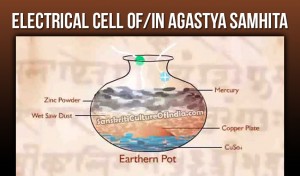
Agastya Samhita written around 4000 BC by sage Agatsya, describes method to make dry electric cell with 1.138 volts and 23 mA and electroplating process,
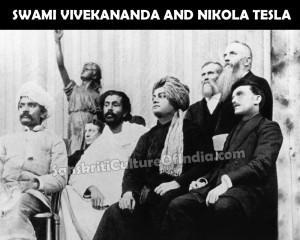
Nikola Tesla used ancient Sanskrit terminology in his descriptions of natural phenomena. As early as 1891 Tesla described the universe as a kinetic system filled
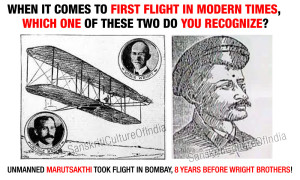
Orville Wright demonstrated on December 17th 1903 that it was possible for a ‘manned heavier than air machine to fly’. But, in 1895, eight years
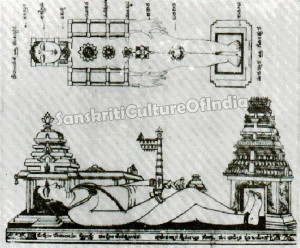
“Everything is governed by one law. A human being is a microcosmos, i.e. the laws prevailing in the cosmos also operate in the minutest space
Marcus du Sautoy along with BBC looks at the contribution of Ancient Indians like Aryabhata, Brahmagupta, Bhaskara, Madhava, etc in the field of Mathematics. At


The 12 Jyotirlingas of Lord Shiva — where each stands, its sacred story, and how to make the Dwadasha Jyotirlinga pilgrimage in person or in spirit this Shravan.

The Rudrabhishek is the abhishekam said to please Lord Shiva fastest. What it is, the meaning of each sacred substance, the Sri Rudram, and how it is performed at home this Shravan.

Shravan runs July 30–Aug 27 in 2026, with four Sawan Somwars (Aug 3, 10, 17, 24). Why the whole month belongs to Mahadeva — the churning of the ocean, the poison He drank, and how to keep the Sawan vrat.

Thiruvonam 2026 falls on Wednesday, August 26 — the crown of Kerala’s ten-day festival. The Bhagavata story of King Mahabali and the Vamana avatar, and why Onam is a homecoming, not a defeat.
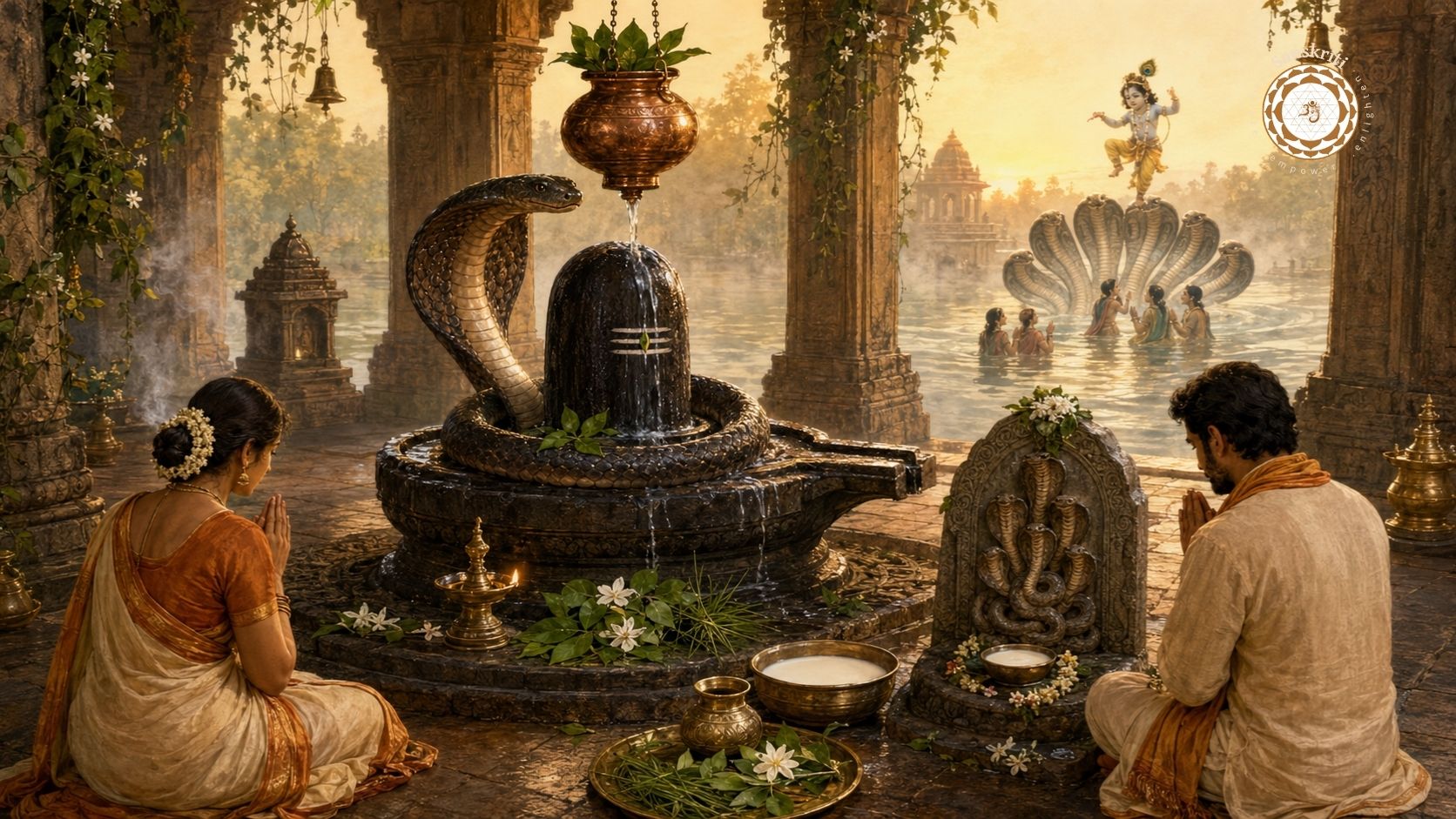
On Monday, August 17, 2026 — a Shravan Monday — Hindus offer milk and prayers to the serpent. The stories of Shesha, Vasuki, Kaliya and Astika, and the puja vidhi for Nag Panchami.

