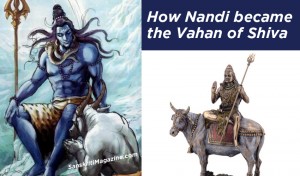
How Nandi became the Vahan of Shiva
There was once a sage called as Shilada. Shilada did not have any children. of his own, but he adored children. He wanted to adopt a child,

There was once a sage called as Shilada. Shilada did not have any children. of his own, but he adored children. He wanted to adopt a child,

Have you noticed, if you prune a tree, the tree focuses its energy towards the pruned area and the number of leaves that come out

In one of the many narrow bylanes of the historic city of Varanasi is a special home where people come to die so that they
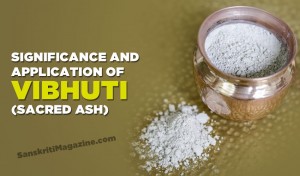
There are many aspects to the usage of vibhuti or sacred ash. First of all, it is a great medium to transfer or transmit energy, and it
This is a simple explanation of how we should view economics according to the principles of Vedic Dharma. First of all, the higher vision of

After the marriage ceremony is concluded the bride and groom are told about their duties and responsibilities in married life. To affirm their faith in

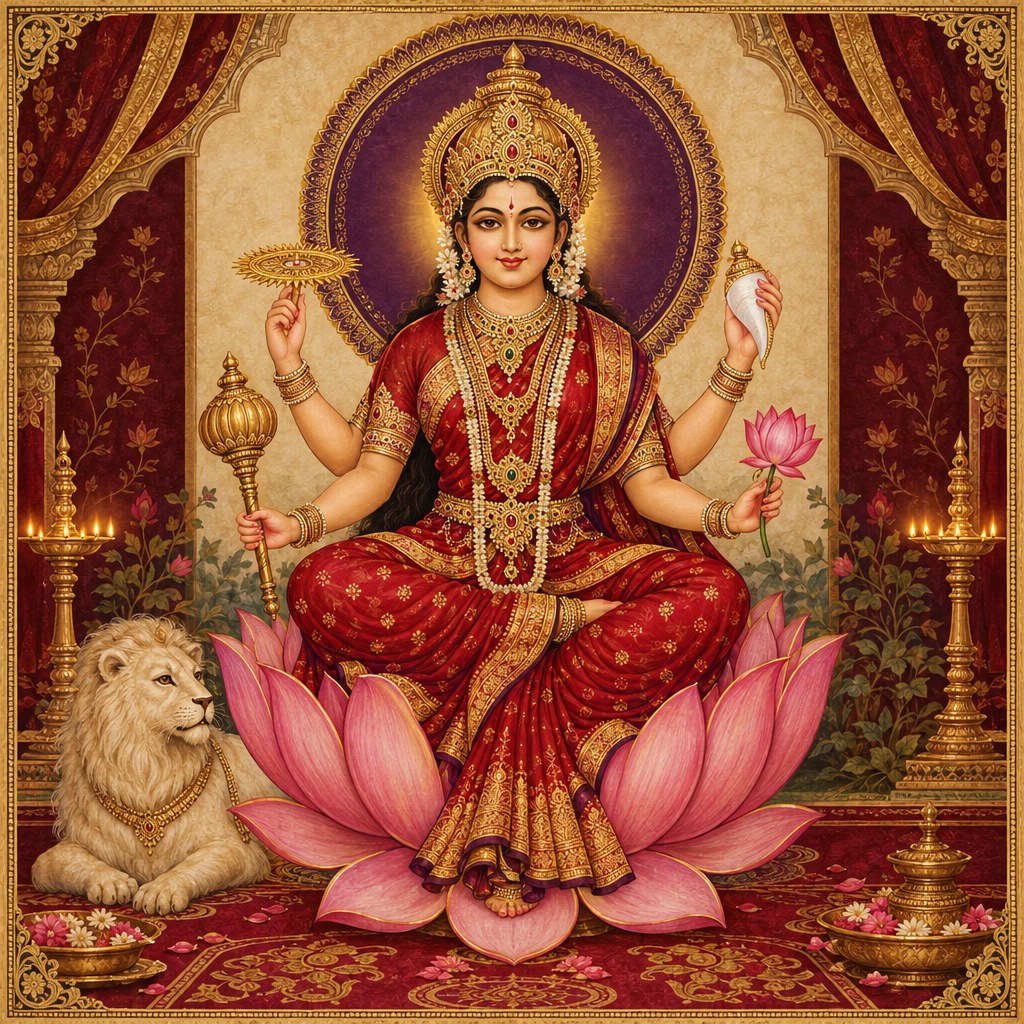
Explore Maa Siddhidatri’s form, meaning and symbols, with a simple Navratri reflection and a practice you can carry into daily life.
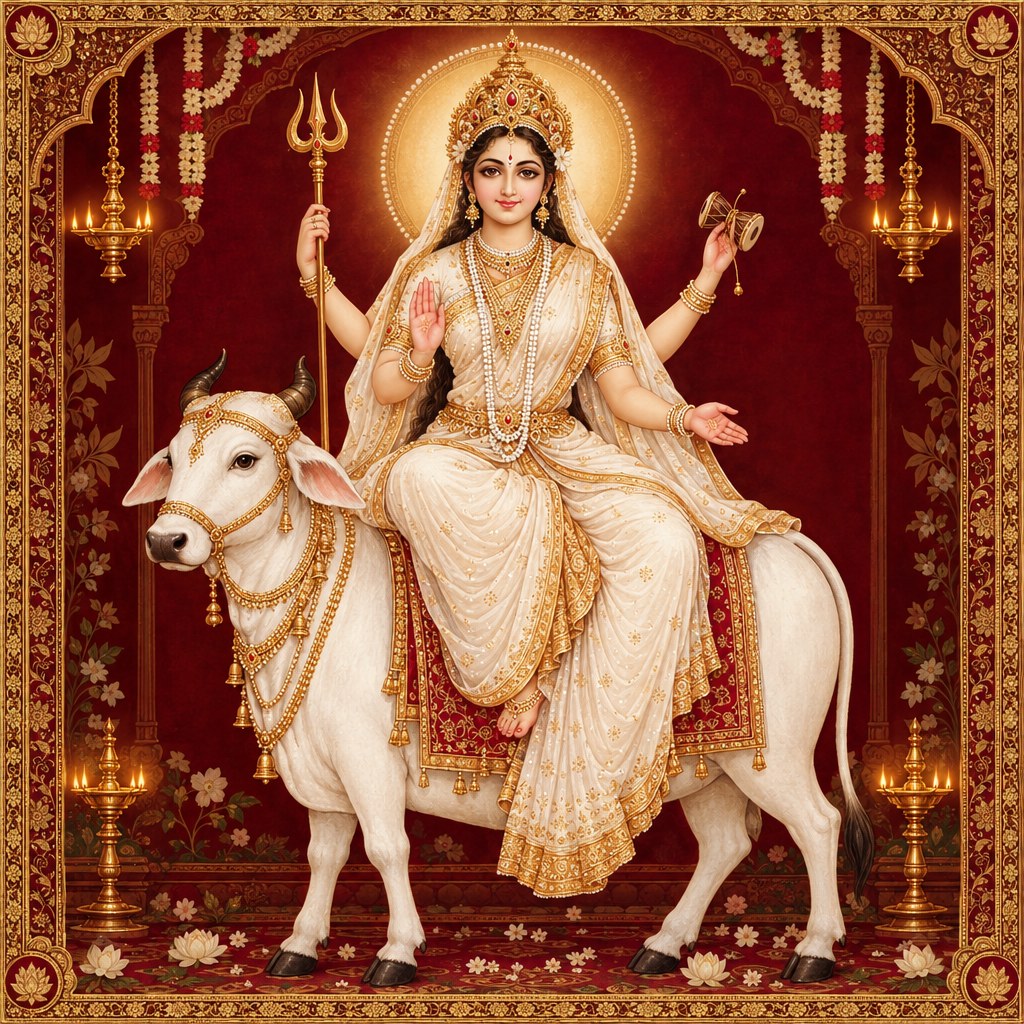
Explore Maa Mahagauri’s form, meaning and symbols, with a simple Navratri reflection and a practice you can carry into daily life.
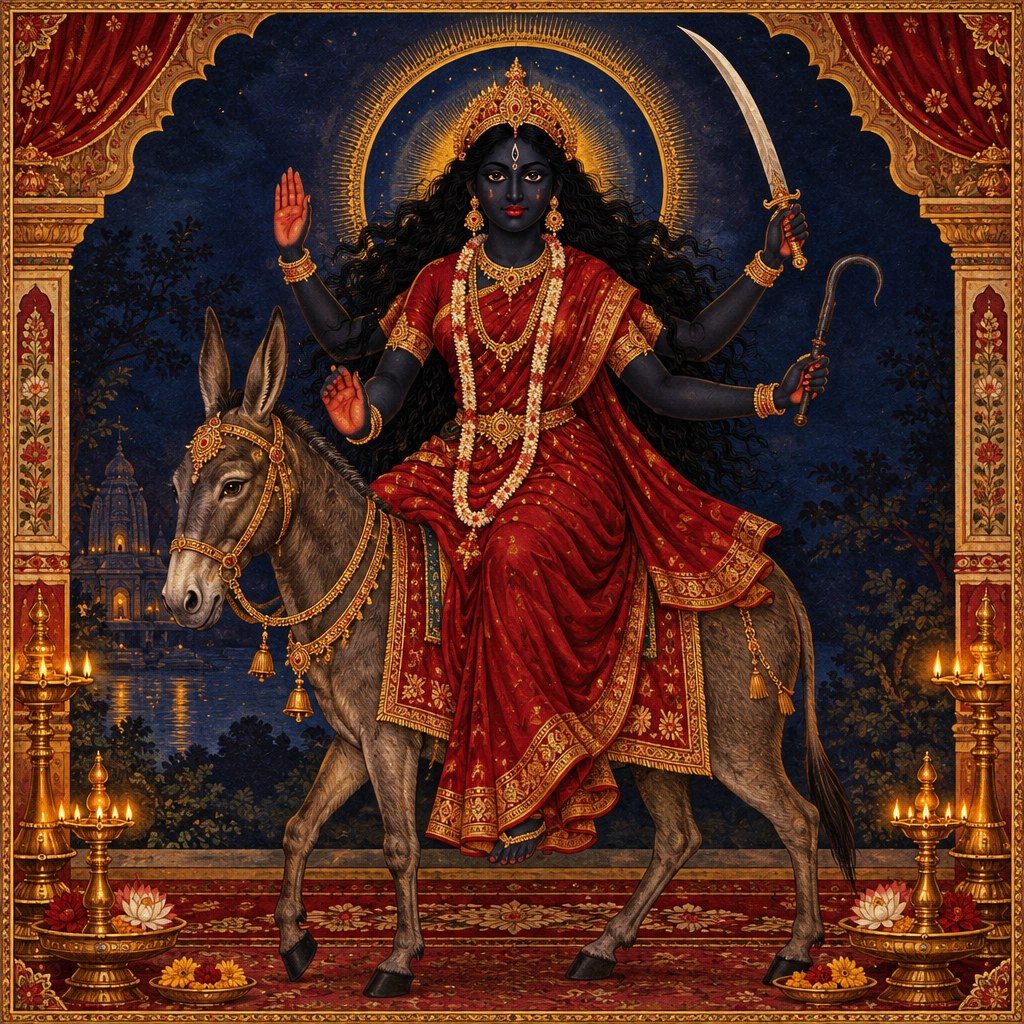
Explore Maa Kalaratri’s form, meaning and symbols, with a simple Navratri reflection and a practice you can carry into daily life.
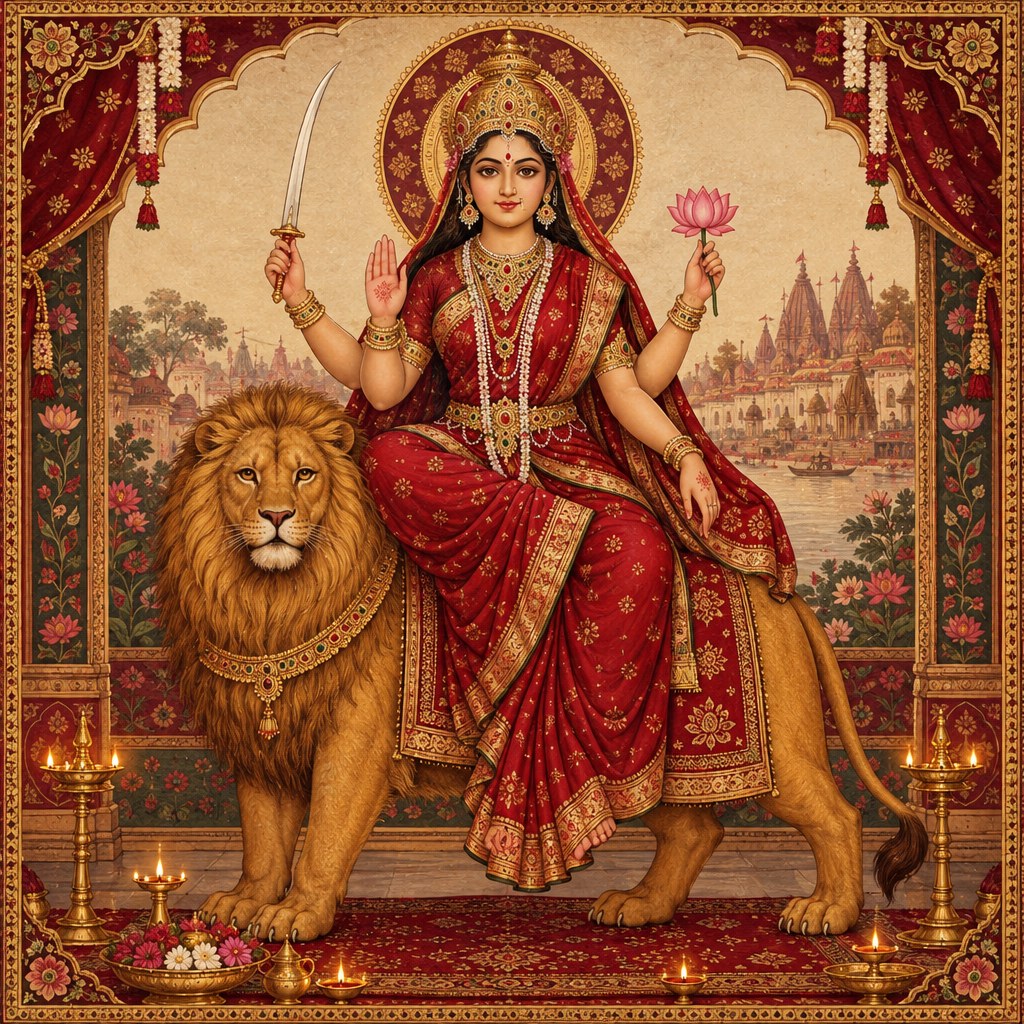
Explore Maa Katyayani’s form, meaning and symbols, with a simple Navratri reflection and a practice you can carry into daily life.
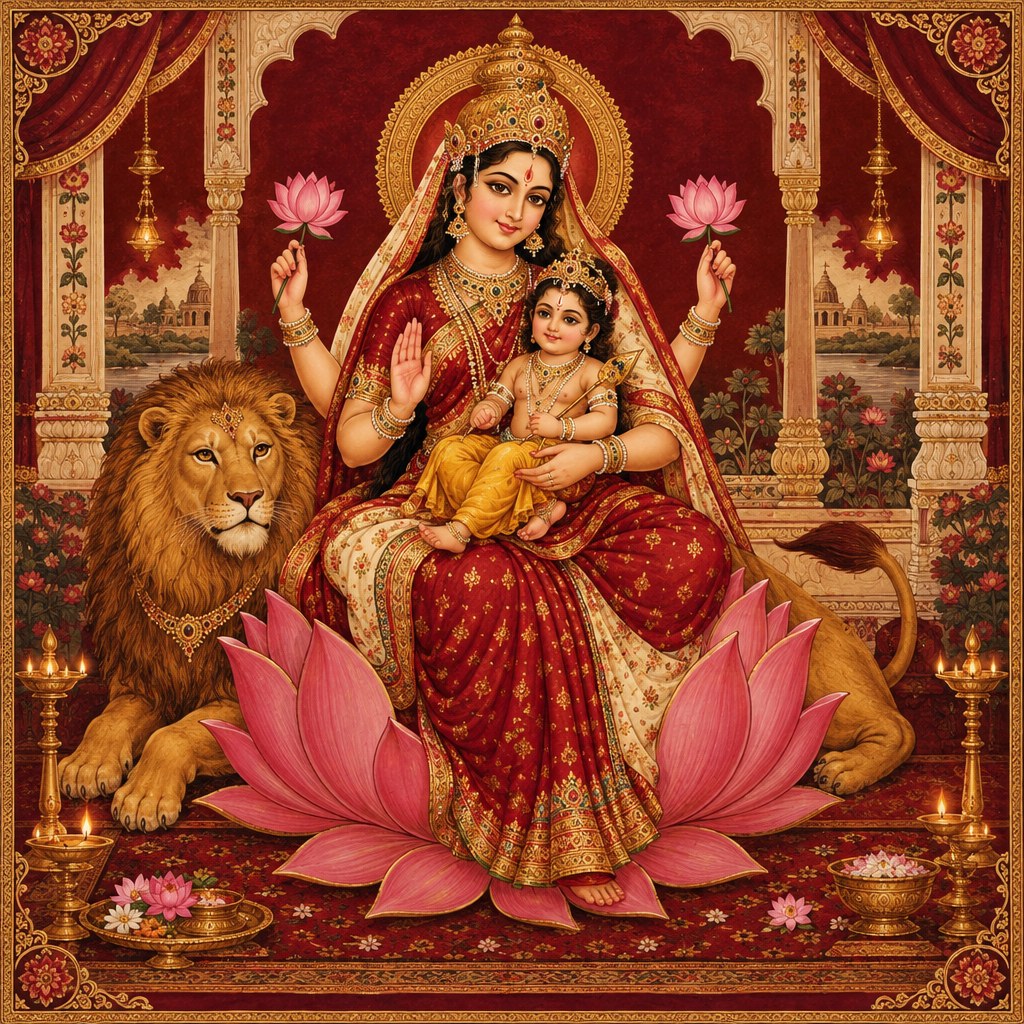
Explore Maa Skandamata’s form, meaning and symbols, with a simple Navratri reflection and a practice you can carry into daily life.

