IndianSanskriti
Why do Hindus revere trees?

Why trees are revered in Hinduism?

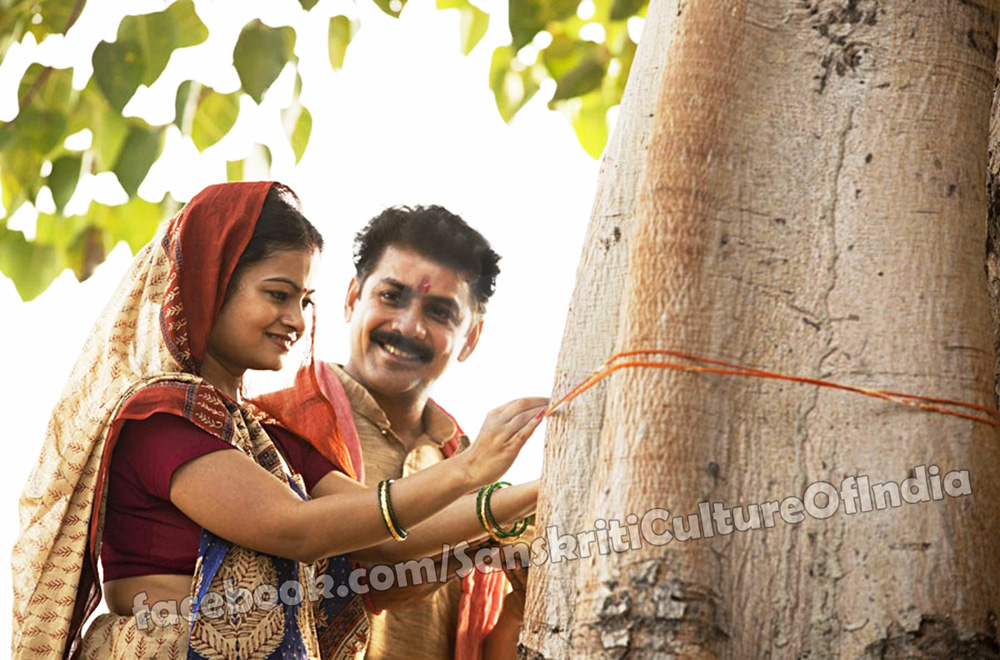
Hindus have always had great reverence for trees and other plants because they are the foundation of life. In the Puranas and other religious texts, great importance has been accorded to trees and plants, equating them with gods. It is recommended that they should be treated as members of the family.With confirmation by scientists that plants are living beings, the credibility of religious texts has been strengthened. This has also strengthened belief in the effects of good and bad deeds on rebirth. The special status granted to some plants is now easier to understand.

According to religious texts, when people plant trees and care for them, those plants are reborn as their children. Whoever gives trees and plants in charity pleases the gods through flowers on the trees. In sunny and rainy weather trees serve as umbrellas to passer-by desiring refuge and rest. By offer droplets after the rain, they please forefathers. Those who offer flowers attain affluence and prosperity.In the Rig-Veda, 6/48/17, it is said:
Do not be like the devilish buzzard that troubles other birds by grabbing their necks and killing them. Do not trouble the trees. Do not uproot or cut them. They provide protection to animals, birds and other living beings.In the Manusmriti, it is said that trees bring with them the fruits of their deeds from the last birth. They are living beings and experience sorrow and happiness. God has created them for the welfare of living beings. They face the sun and the heat, but protect those who come under their shade. They provide refuge and residence to birds and insects. They bear flowers and fruits. One cannot estimate the number of saints and sages who offered prayers under the shade of trees. It is characteristic of the trees to give and keep giving.Since a traditional burial consumes nearly one tree, Hindus are bound to plant three trees, on special occasions, during their life span. Which actually makes sense, especially in today’s world where we need more and more trees to give us life when we live and for fire when we die.

Have you done your duty and paid your part to  Mother Nature for your life and death?

 

You may also like

Search the website

Like us on Facebook

Get daily updates via Email

Enter your email address:

Recent Posts

Purushottam Maas — The Month No Deity Would Claim, and the Lord Who Made It Supreme

Every month of the Hindu calendar has a lord — except the rare thirteenth, the Adhika Maas, born an orphan and shunned as the “impure month.” The Puranas tell how this rejected month went in grief to Bhagavan Vishnu, who claimed it, gave it His own name — Purushottam — and made it the most fruitful month of all. The origin story, the teaching, and what it means for Purushottam Maas 2026 (May 17 – June 14).

Padmini Ekadashi 2026 — The Ekadashi Even the Devas Descend to Keep

Padmini Ekadashi 2026 — The Ekadashi Even the Devas Descend to Keep

The rarest Ekadashi of the entire Hindu calendar is three days away. The Padma Purana preserves a conversation between Bhagavan Krishna and Yudhishthira about a single Ekadashi the great Rishis spend lifetimes waiting for — Padmini. The Vrat Katha of Queen Padmini of Mahishmati, the lotus teaching, and why May 27, 2026 is the morning Vaishnavas across Bharata are preparing for.

Varada Chaturthi 2026 — The Rare Ganesha Day of Purushottam Maas

Varada Chaturthi 2026 — The Rare Ganesha Day of Purushottam Maas

Once every 2.5–3 years — when the rare 13th month of Adhika Maas opens — a thirteenth Vinayaka Chaturthi appears. The Mudgala Purana calls it Varada Chaturthi, the “boon-giving” Chaturthi, and holds it as the most fruit-bearing Ganesha day of the entire calendar. Today, Wednesday May 20, 2026, is that day.

Padmini Ekadashi 2026 — The Rare Ekadashi That Comes Only in Purushottam Maas

Padmini Ekadashi 2026 — The Rare Ekadashi That Comes Only in Purushottam Maas

Padmini Ekadashi 2026 falls on Wednesday, May 27 — the Shukla Paksha Ekadashi of Adhika Maas, the rarest Ekadashi in the entire Hindu calendar (it appears only every 2.5–3 years). The Padma Purana conversation between Bhagavan Krishna and Yudhishthira, the Vrat Katha of Queen Padmini, complete vrat vidhi with jagrana, mantras, and the lotus symbolism that gives the Ekadashi its name.

Ganga Dussehra 2026 — The Day Maa Ganga Came Down to Bhagiratha

Ganga Dussehra falls on Monday, May 25, 2026 — commemorating the day Maa Ganga descended from Vaikuntha to the earth through the millennia-long tapasya of King Bhagiratha. The full account from the Valmiki Ramayana, snan vidhi, dana traditions, mantras, and the teaching of sustained sincerity.

css.php