
The Rule of Three in Hindu Arithmetic
Arithmetic is the science of numbers. The name comes from the Greek word ‘arithmos’ that means ‘number’. In India, arithmetic was called Raasi-Vidyaa, Samkyaana orGananaa

Arithmetic is the science of numbers. The name comes from the Greek word ‘arithmos’ that means ‘number’. In India, arithmetic was called Raasi-Vidyaa, Samkyaana orGananaa

India is rich not only in its culture and traditional values but also in the vast knowledge ancient Vedic scriptures have to offer. Among the

A simple stick in the ground can be used to create a sun dial, but what do you do when there is no sun, such

“The extraordinary thing about Sanskrit is that it offers direct accessibility to anyone to that elevated plane where the two —mathematics and music, brain and

The claim that ancient Indians had airplanes and that their science is described in Maharshi Bharadvaja’s Vimana Shastra has been refuted many times. Scholars believe
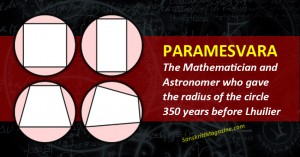
Paramesvara was an Indian astronomer and mathematician who wrote many commentaries on earlier works as well as making many observations. Although his father has not been


Bhadrapada begins today in North India, opening a lunar month that moves from the midnight

The 12 Jyotirlingas of Lord Shiva — where each stands, its sacred story, and how to make the Dwadasha Jyotirlinga pilgrimage in person or in spirit this Shravan.

The Rudrabhishek is the abhishekam said to please Lord Shiva fastest. What it is, the meaning of each sacred substance, the Sri Rudram, and how it is performed at home this Shravan.

Shravan runs July 30–Aug 27 in 2026, with four Sawan Somwars (Aug 3, 10, 17, 24). Why the whole month belongs to Mahadeva — the churning of the ocean, the poison He drank, and how to keep the Sawan vrat.

Thiruvonam 2026 falls on Wednesday, August 26 — the crown of Kerala’s ten-day festival. The Bhagavata story of King Mahabali and the Vamana avatar, and why Onam is a homecoming, not a defeat.

