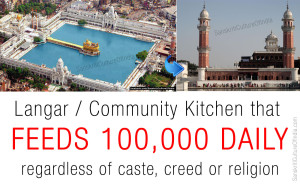
Golden Temple Kitchen that feeds 100,000 daily
200,000 rotis (Indian flat bread), 1.5 tonnes of dal (lentil soup) and free food served to 100,000 people everyday are what makes the free kitchen

200,000 rotis (Indian flat bread), 1.5 tonnes of dal (lentil soup) and free food served to 100,000 people everyday are what makes the free kitchen

Kindness, creativity and compromise are key qualities and skills to meet this modern need My parents are old, they live by different standards and life-style

In Indian homes, we are taught from a very young age; never to touch papers, books and people with our feet. If the feet accidentally
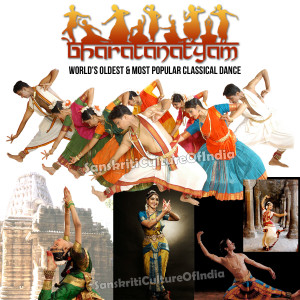
Bharatanatyam is a classical dance form originating in Tamil Nadu, India. One of the oldest of the classical dance forms in India, it is also

Martial arts essentially evolved from Southern India. Agastya Muni was a very small-built man – short and diminutive – but he travelled endlessly. He evolved

Why do people practice only one religion? How difficult is it to follow multiple religions? The great religions of the world constitute a huge reservoir


Bhadrapada begins today in North India, opening a lunar month that moves from the midnight

The 12 Jyotirlingas of Lord Shiva — where each stands, its sacred story, and how to make the Dwadasha Jyotirlinga pilgrimage in person or in spirit this Shravan.

The Rudrabhishek is the abhishekam said to please Lord Shiva fastest. What it is, the meaning of each sacred substance, the Sri Rudram, and how it is performed at home this Shravan.

Shravan runs July 30–Aug 27 in 2026, with four Sawan Somwars (Aug 3, 10, 17, 24). Why the whole month belongs to Mahadeva — the churning of the ocean, the poison He drank, and how to keep the Sawan vrat.

Thiruvonam 2026 falls on Wednesday, August 26 — the crown of Kerala’s ten-day festival. The Bhagavata story of King Mahabali and the Vamana avatar, and why Onam is a homecoming, not a defeat.

