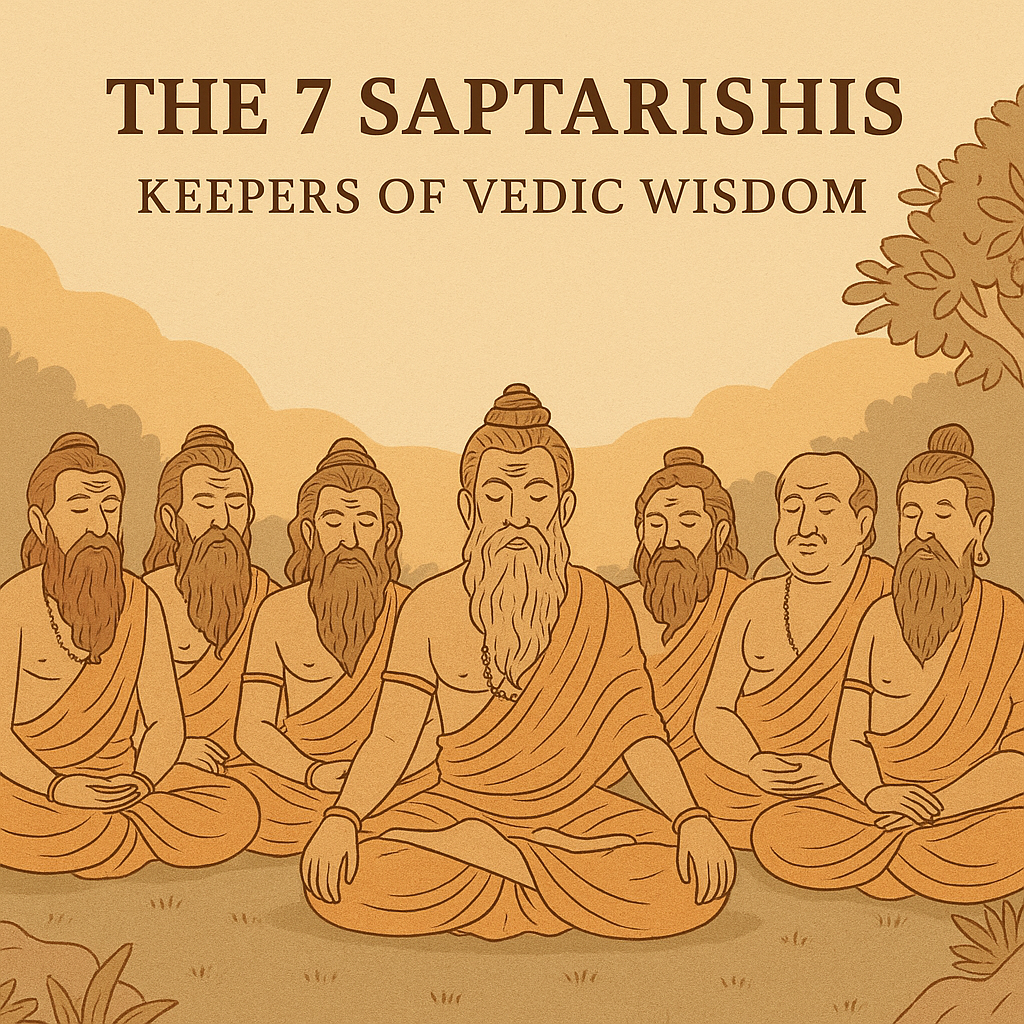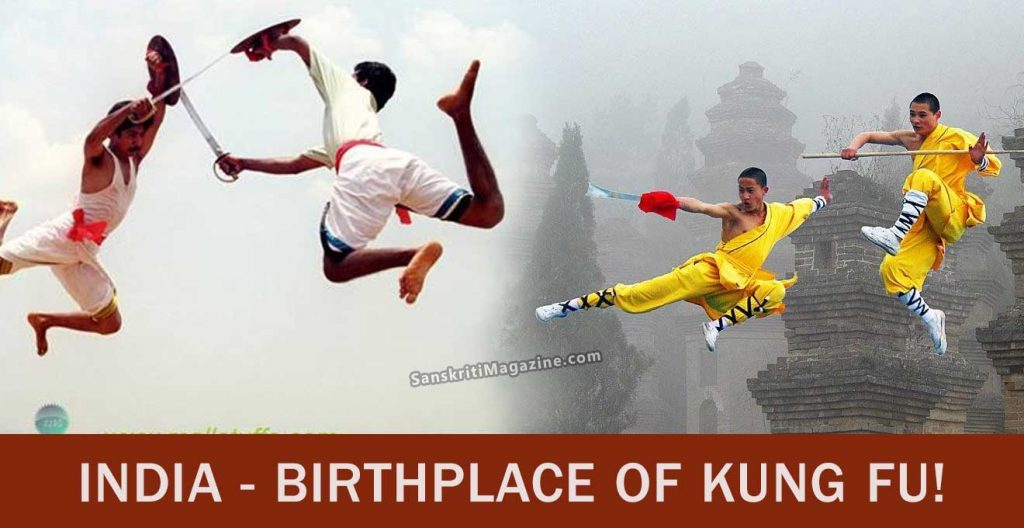
Martial arts essentially evolved from Southern India. Agastya Muni was a very small-built man – short and diminutive – but he travelled endlessly. He evolved martial arts mainly to fight the wildlife. Tigers roamed this land in great abundance – now we can count them, we have eleven hundred tigers, but there was a time when thousands of them existed along with various other potentially dangerous wildlife.So, Agastya Muni evolved a system as to how to fight the wildlife – if a tiger comes, how to handle it. You will see, Kalari still retains that format. This is not just about fighting with men. Fighting with men came later. He taught martial arts to a few people just to manage the wildlife when they travelled, and it still lives. Some of the schools still look up to him and associate themselves with him.So when people went to China, once they crossed the Himalayas, they faced wild men who were always looking to attack the traveller. So what they had learned to handle the wildlife, they used it on wild men. Once they started using it on people, you will see a distinct transformation in the martial arts. From a very crouching kind of martial art to a “standing up” kind of martial art is what you will see from India to the Chinese and further into South-East Asia.
So, it evolved into a different format. And when you fight men, you have to kill, otherwise he won’t stop. With wildlife it’s not like that. They come because they think you are food. And once you make it very clear to him that you are a very difficult food, he will go away. He will look for some easy food. Because of this, the martial arts naturally transformed itself from a very fantastic form of avoiding becoming somebody’s dinner, to something that can kill.
READ ABOUT BODHI DHARMA
You will see this transformation from Kalari to Karate. Later on, in India also they started fighting with men but they did not transform the art so much. Instead, they picked up weapons. If you look at it, Kalari may not be as good a fighting process with human beings as Karate would be because in Karate they are standing on two legs. In Kalari, you are trying to look at something lower down because we did not see it as a tool to fight other men, it was only seen as a defense from wildlife.
Parashuram was another great teacher of Kalari. He single-handedly slaughtered armies because of his phenomenal martial art capabilities. He taught one school which flowed from the North of Malabar, and Agastya Muni’s school came from the South. Parashuram’s method used all kinds of weapons – hand weapons, throwing weapons, various kinds of weapons – but Agastya Muni’s martial art grew without any weapons, it was all hand.
~Sadhguru