IndianSanskriti
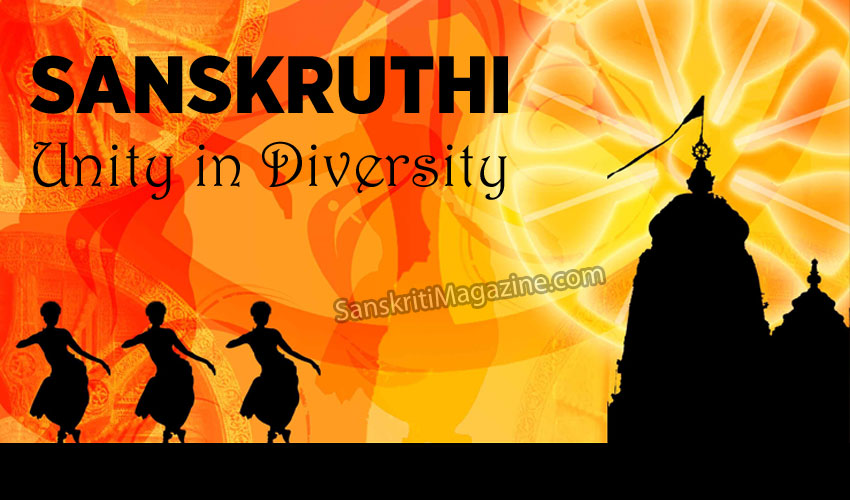
Sanskruthi: Unity in Diversity

Sanskruthi: Unity in Diversity

Bharatiya Sanskruthi is rooted in our traditional culture and festivals based on moral and scientific reasons. Our Sanskruthi teaches us to worship the Trinity – Lord Brahma (Creator), Lord Vishnu(Protector) and Lord Shiva (Destroyer).  We follow holy scriptures – Four Vedas, Upanishads and the Puranas. We admire Five Elements (Panchabhuta) of nature.

We pray for Six Seasons to occur periodically for the welfare of all living and non living beings. We worship Seven Rivers to flow throughout the year for drinking and cultivation of crops.

The Vastu effect of eight directions (Ashta Dikpalakas) is considered for the well being of our family and members in our society. The Vedic astrology based on Nava Grahas (nine planets) is analyzed to know their yearly influences on weather conditions and welfare of the people.

We perform Yajnas for minimizing the adverse effects due to planets. Our traditional Sanskruthi was born with Dasavathaaras. We are united and progress regardless of many castes, creeds and religions existing in our country. Our Sanskruthi has unity in diversity.

Ours is the only country in the world to celebrate varieties of colourful festivals such as Holi, Sankranti, Raksha Bandhan, Ganesh Chathurthi, Dussehra, Diwali, Eid, Muharram, Christmas etc.

We learn and respect different types of arts and culture. The Indian moral stories, values and ethics teach us to respect our parents and elders. The Indian mythology binds us so strongly that Indian couples live together for whole life. India is a land of great scholars with learning centers and tourist spots.

The foreigner visitors admire India and learn our traditions and rituals. The richness of our Sanskruthi is so praised that it is adapted and practiced all over the world for welfare of human beings.

We children of India must learn, pursue and propagate our great Bharatiya Sanskruthi.

~ Dr. D. Pramod, Chairman, Sanskruthi Samathi, Hydrabad
You may also like

Search the website

Like us on Facebook

Get daily updates via Email

Enter your email address:

Recent Posts

Adi Shankaracharya Jayanti 2026 — Advaita Vedanta, Om symbol, and four Amnaya Peethas

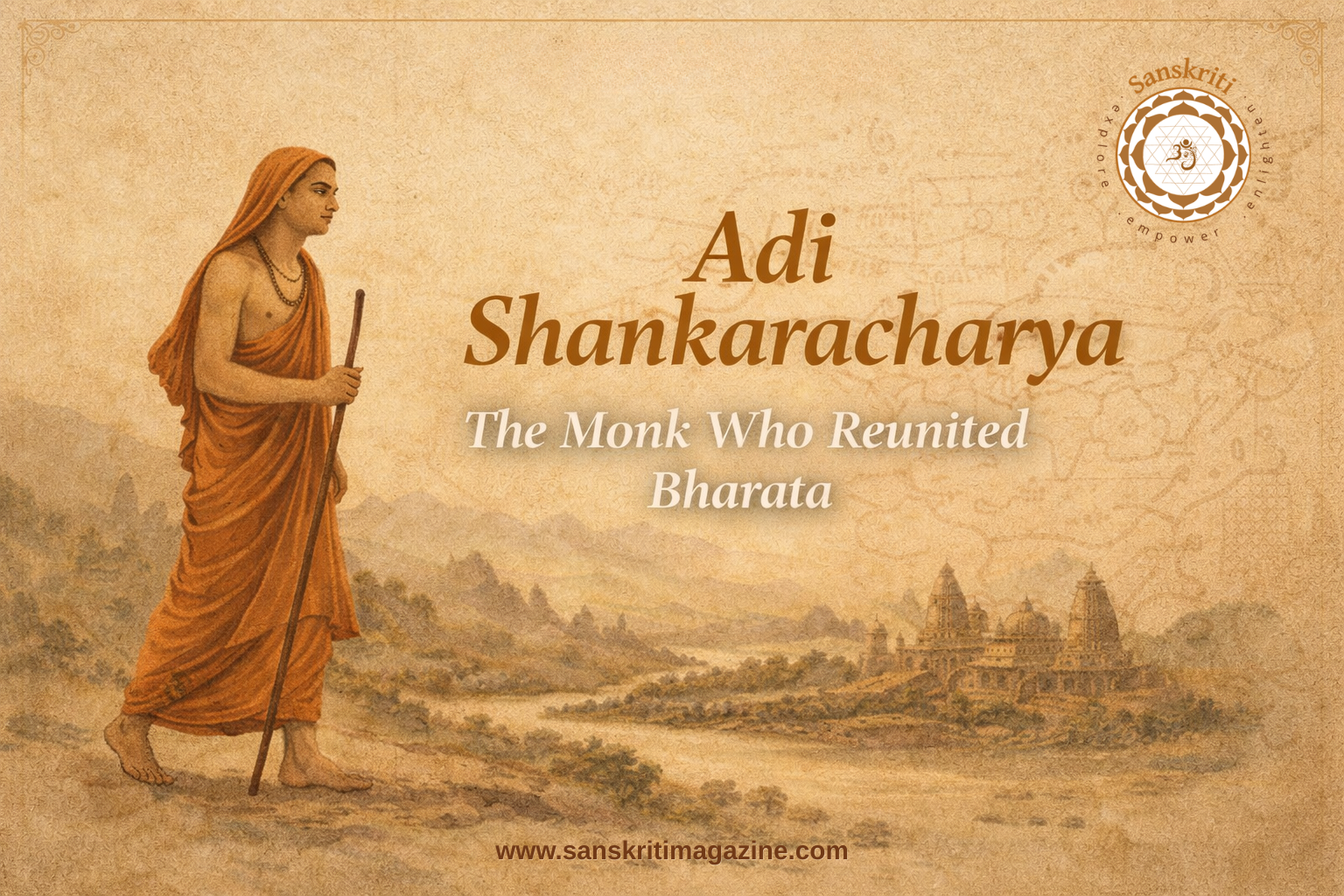
Adi Shankaracharya — The Monk Who Reunited Bharata

Shankaracharya Jayanti 2026 — the 1238th birth anniversary of Adi Shankaracharya. His extraordinary life, the Digvijaya, the debate with Mandana Mishra, Advaita Vedanta, the four Amnaya Peethas, and his timeless literary legacy.

Akshaya Tritiya 2026 — royal purple hero banner with Akshaya Patra vessel and Devanagari text

Akshaya Tritiya 2026 — The Day That Never Diminishes

Akshaya Tritiya (April 19, 2026) is one of the most auspicious days in the Vedic calendar — when any act of dharma, dana, or japa yields imperishable merit. Discover the five sacred Puranic events, complete puja vidhi, timings, mantras, and the deeper spiritual teaching beyond gold-buying.

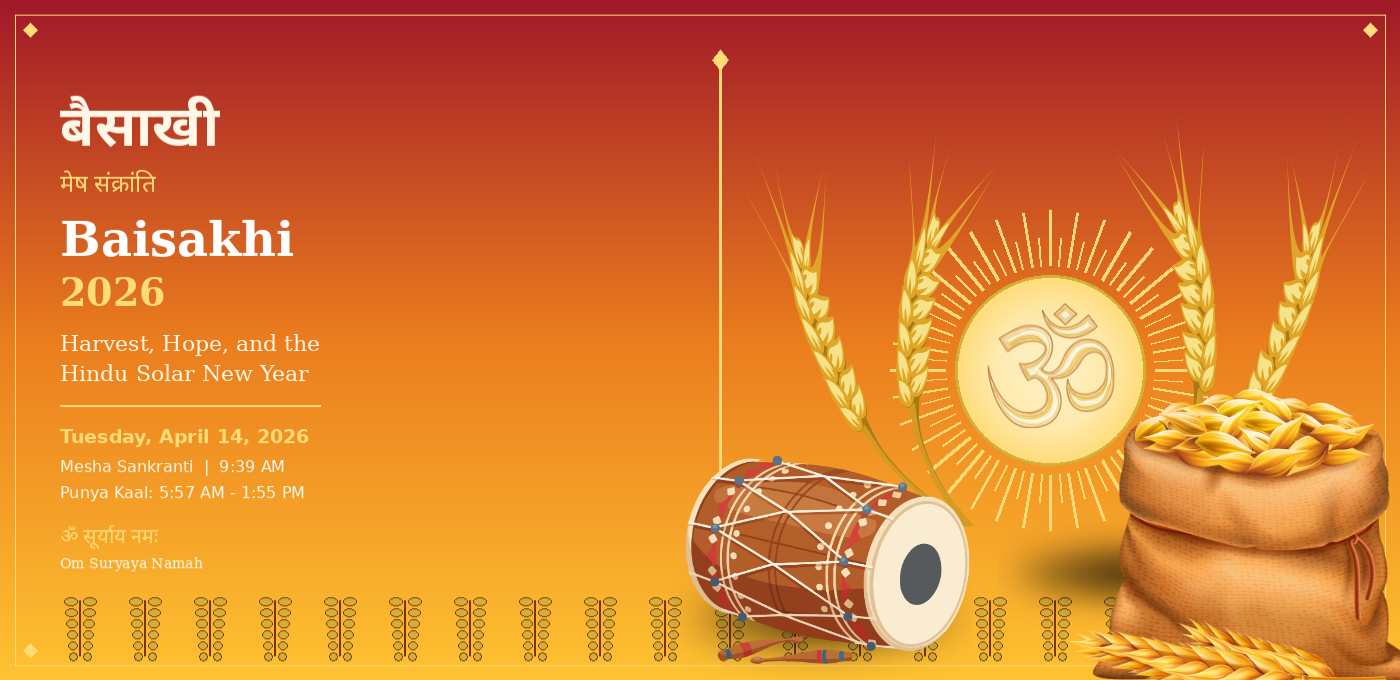
Baisakhi 2026 — Mesha Sankranti Hindu Solar New Year hero banner with rising sun, Om symbol and wheat harvest

Baisakhi 2026 — Harvest, Hope, and the Hindu Solar New Year

Baisakhi 2026 falls on Tuesday, April 14 — the day Bhagavan Surya enters Mesha Rashi at 9:39 AM, marking the Hindu Solar New Year. Discover the sacred science of Mesha Sankranti, the Punya Kaal rituals, and how this one cosmic moment is celebrated across Bharata as Vishu, Puthandu, Pohela Boishakh, Bohag Bihu, and Pana Sankranti.

Varuthini Ekadashi 2026 — sacred vrat guide hero banner with Vishnu Chakra mandala

Varuthini Ekadashi 2026 — The Sacred Vrat That Shields from Sin

Varuthini Ekadashi (April 13, 2026) is one of the most powerful Ekadashi vrats — dedicated to Lord Vamana, it dissolves lifetimes of karmic burden and shields the devoted soul with Bhagavan Vishnu’s protective grace. Complete vrat vidhi, timings, mantra, and the sacred Vrat Katha from the Bhavishya Purana.

css.php