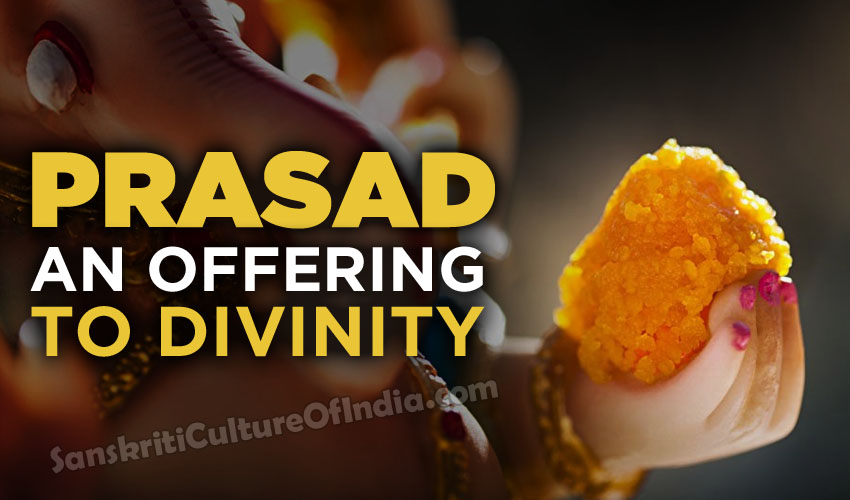
In Hinduism, food plays an important role in rituals and worship, and the food offered to the gods is called prasada. The Sanskrit word “prasada” means “mercy,” or the divine grace of God.
We can make the preparing of food, the offering of food to God, and the eating of the food offered, into a powerful devotional meditation. If, as a meditative discipline, we can offer our food to God with devotion before eating it, not only are we not implicated in the karma involved in acquiring the food, but we can actually make spiritual progress by eating the offered food. Our devotion, and God’s grace, subtly transforms the food offered from material nutrition to spiritual mercy or prasada.
Guidelines to Prepare Prasada
Before we can offer any food to God, however, we must first follow some important guidelines while preparing the food.
- First, God only accepts purely vegetarian offerings – offerings that are acquired without pain and suffering on the part of any creature. So, we have to strictly avoid cooking any meat (including chicken; a bird is not a vegetable!), fish and eggs.
- Second, we can’t offer any onions, garlic or mushrooms. This may seem like an odd proscription; but the Vedic scriptures, as well as the ancient natural medicinal system of Ayurveda, explain that these foods excite the more passionate elements of the human psycho-physical constitution.
- Third (and this can sometimes be tough), we must not taste the food before it is offered to God. The preparing of prasada is done as an active devotional meditation. So the goal is to prepare delicious foods, not with our own satisfaction in mind, but thinking only of the satisfaction of God. Therefore, He should be the first to “taste” the fruits of our labors.
- Keeping this meditative goal in mind, it is important to have an atmosphere in our kitchen that is conducive to creating a meditative and devotional state. We should be in a calm, peaceful and contemplative frame of mind while preparing food for God, thinking to ourselves as we prepare the food that we are acting for God’s satisfaction, and not just our own.
- Finally, as in any spiritual endeavor, it is important to maintain a high standard of cleanliness while preparing, cooking, and offering the food. The kitchen, utensils and foods used should be clean. We ourselves also should be clean and bathed before beginning Prasada-Meditation, or any other meditation for that matter.
If we can follow all of the above guidelines and, most importantly, maintain a meditative consciousness of love and devotion for God as we are performing these activities, then God will gladly accept our offering.
How to Offer Food to God
- It is helpful if you have an altar already set up somewhere in your home, apartment or dorm. On this altar should be either a sacred image or a picture of God in any of His sacred forms. For example, an image of any of His incarnations – Rama, Krishna, Narasingha – or any other form, such as Srinathaji or Venkateshvara, is fine. In addition, you can include images of your guru, saints, or other devas or devis on your altar – Durga, Ganesha, Sarasvati, etc. Images of God, however, should be the focal-point of any altar used for meditation. If you don’t have an altar, then placing a simple image of God somewhere special will do.
- When the food is ready, take a sampling of each preparation, along with a glass or cup of water, and place them all on a special plate that is used only for offering food to God. This plate must never be used for any other purpose than offering food in Prasada-Meditation. Place the plate of food before the sacred image. Offer a little incense to God. Then, in a meditative and devotional state of mind, sit with eyes closed in meditation and recite several sacred mantras. One such mantra which is highly effective is: Om Namo Narayanaya.
- After chanting this mantra for some time, then remain in silent prayer for 5 – 10 minutes and request the Lord to accept your offering. After you have offered the food in this way, the food that you have cooked is now sanctified and considered to be prasada, food transformed into the grace of God. By partaking in such food, we show our devotion to God, and thus make spiritual advancement.
- The food on the the plate should be re-merged into the food in the pots. Having thanked the Lord for accepting your offering, the prasada can now be eaten. The food should also be eaten with meditative awareness, peacefully and respectfully.
While eating the prasada, please always be conscious and aware that you are partaking in the special grace of God. Eat with reverence, and enjoy!
~ by Dr. Frank Gaetano Morales