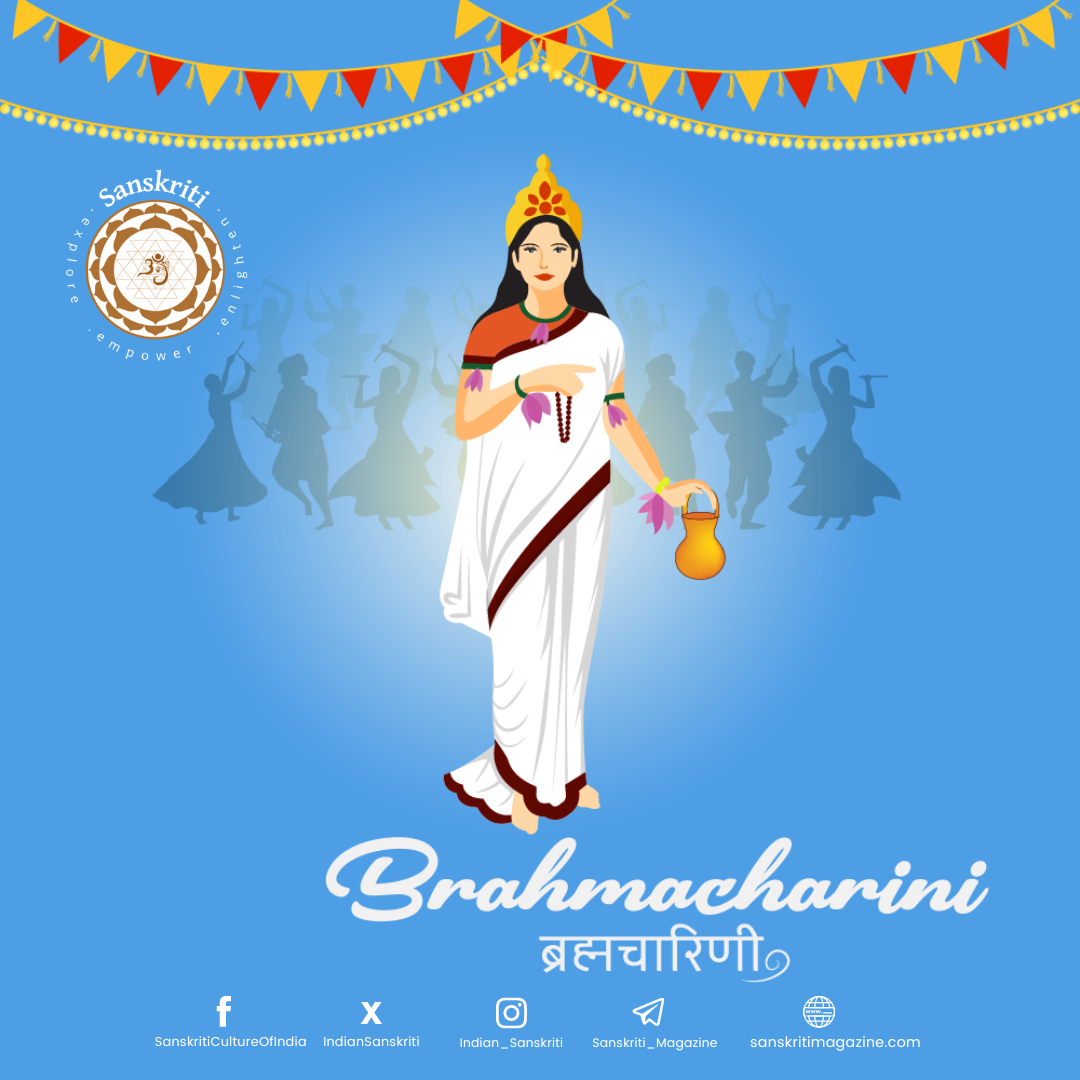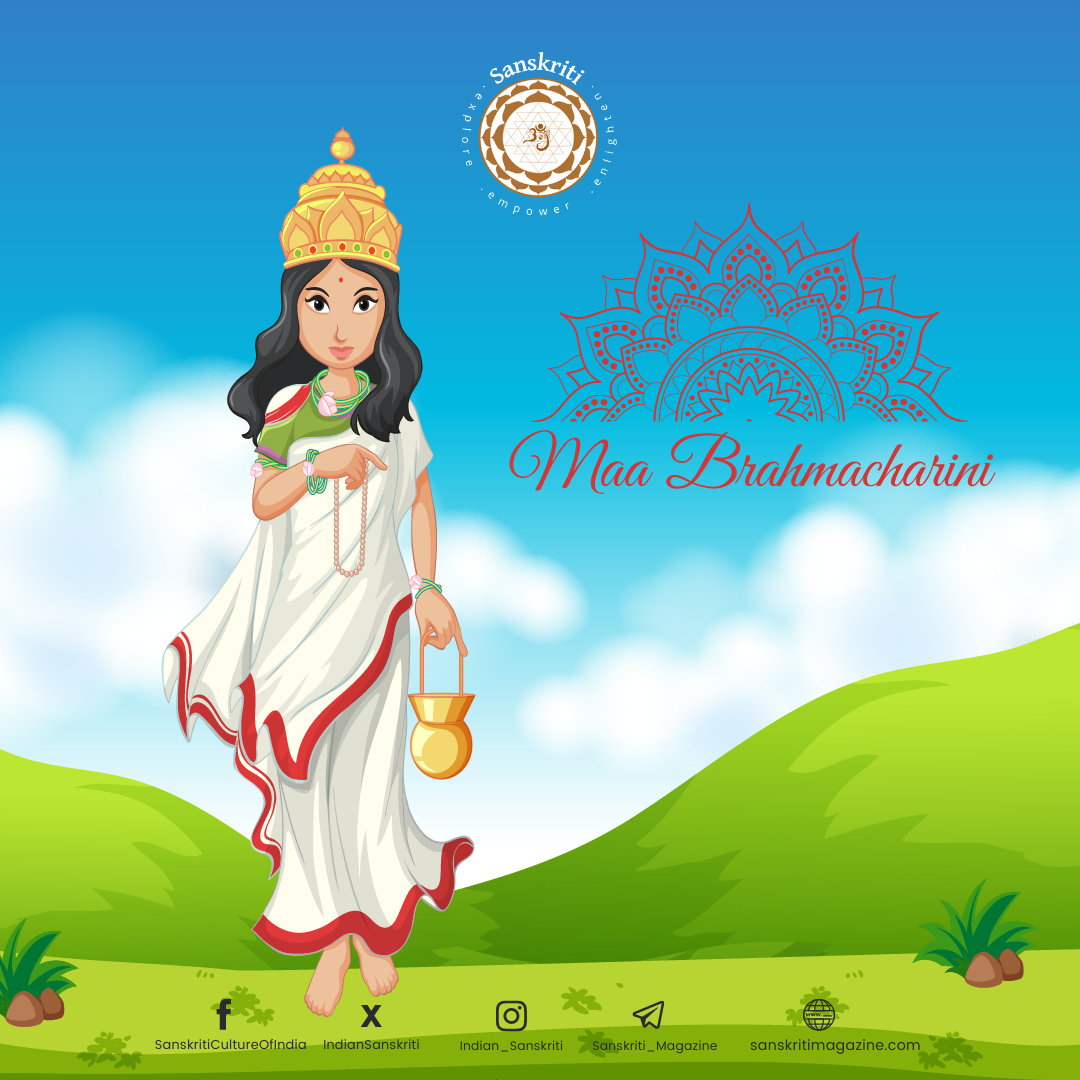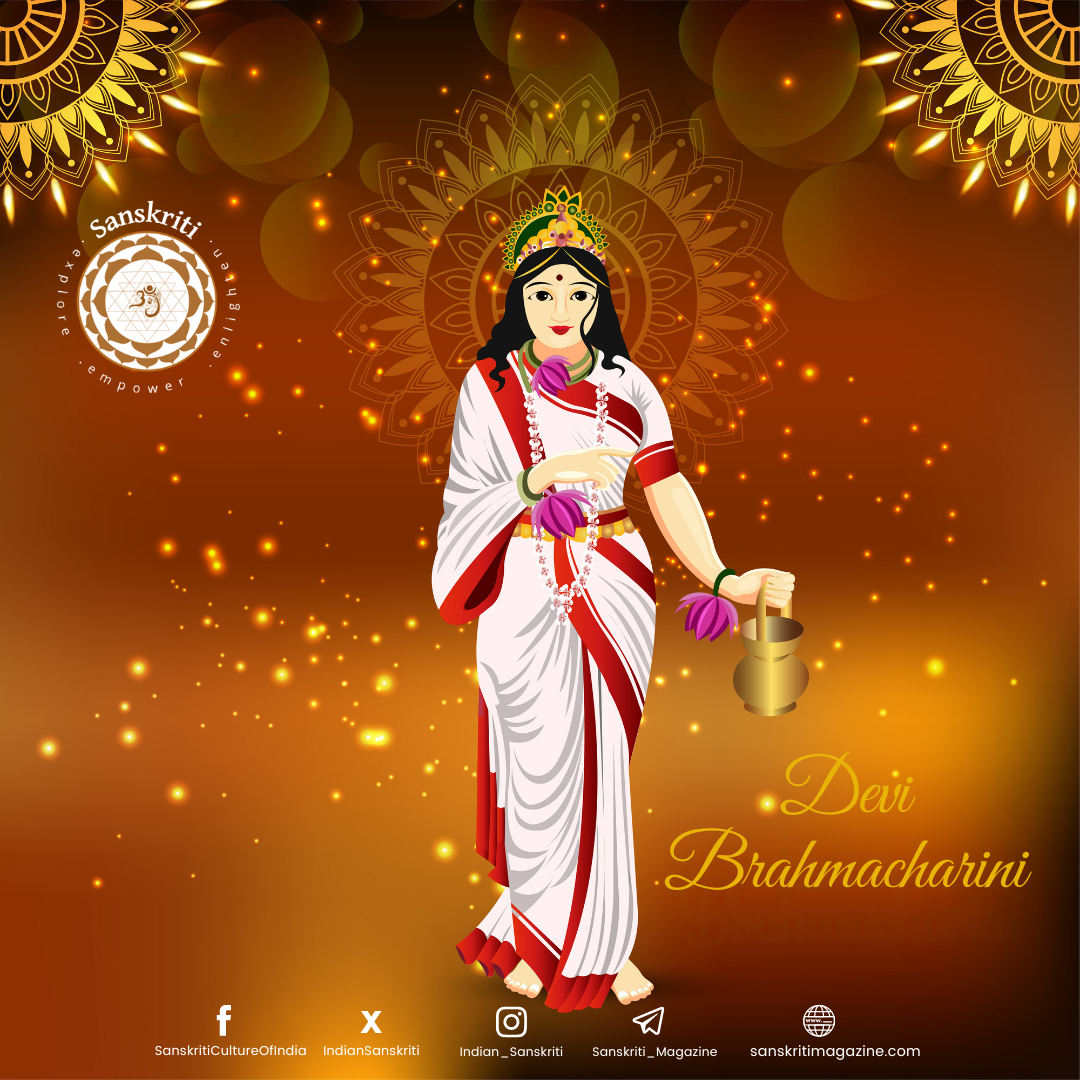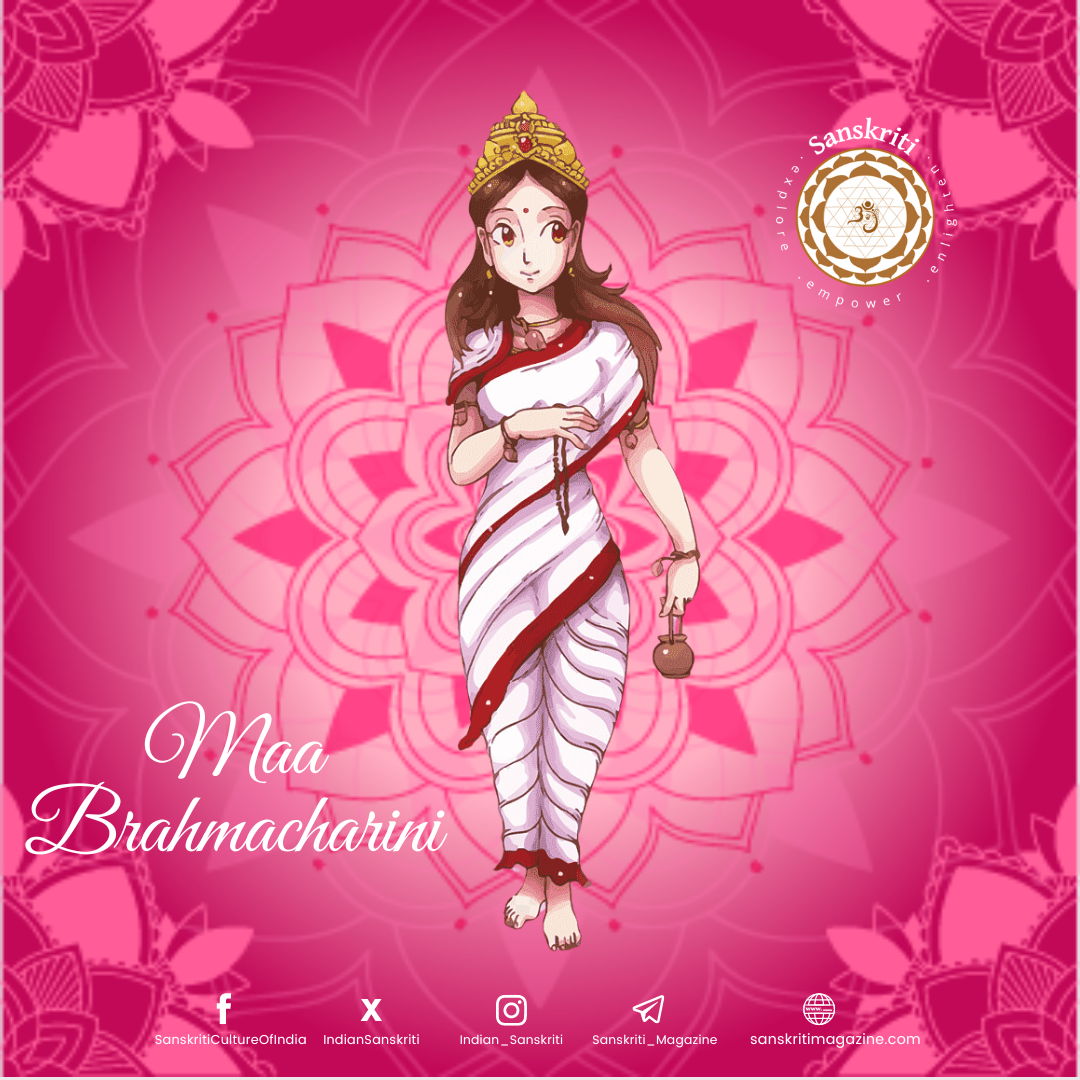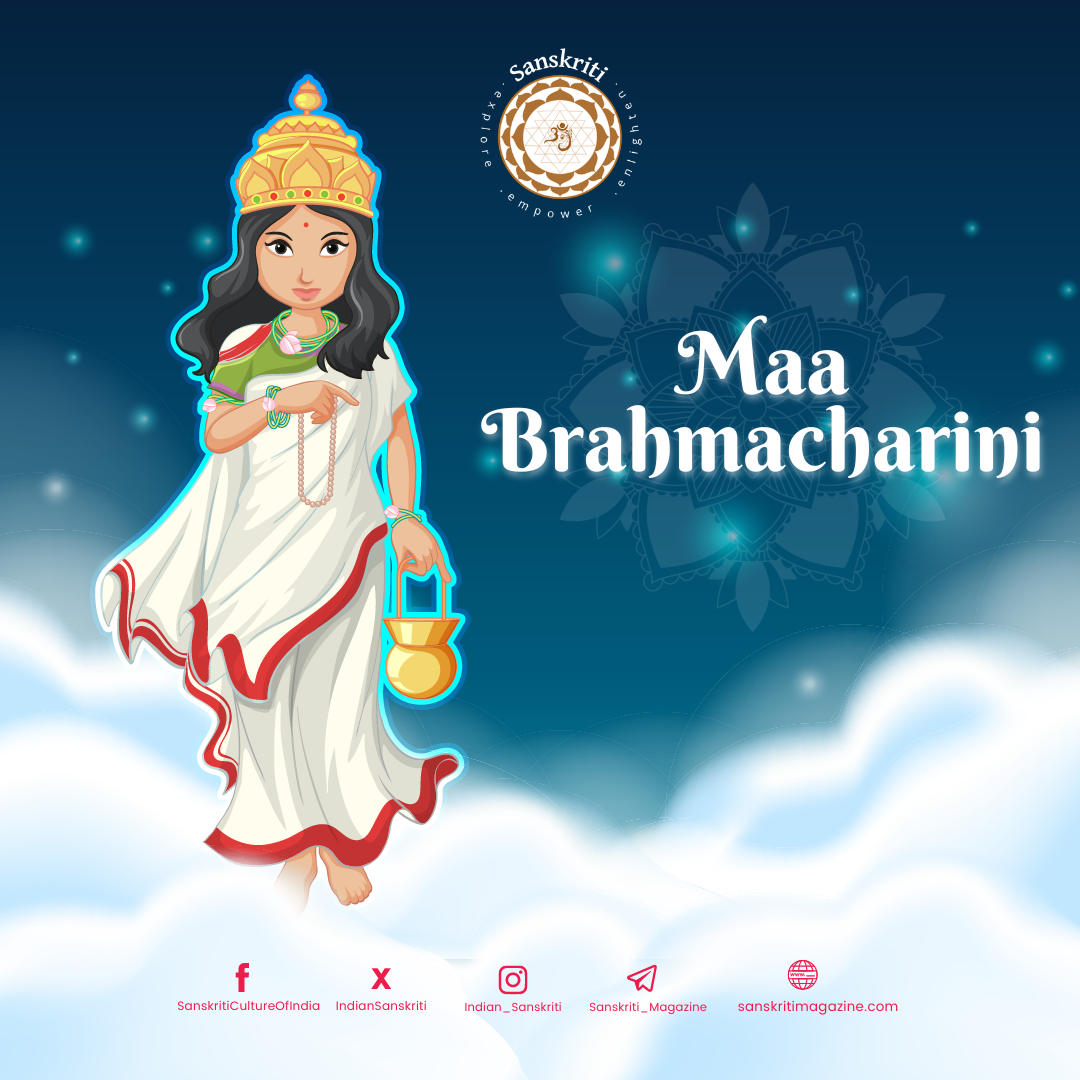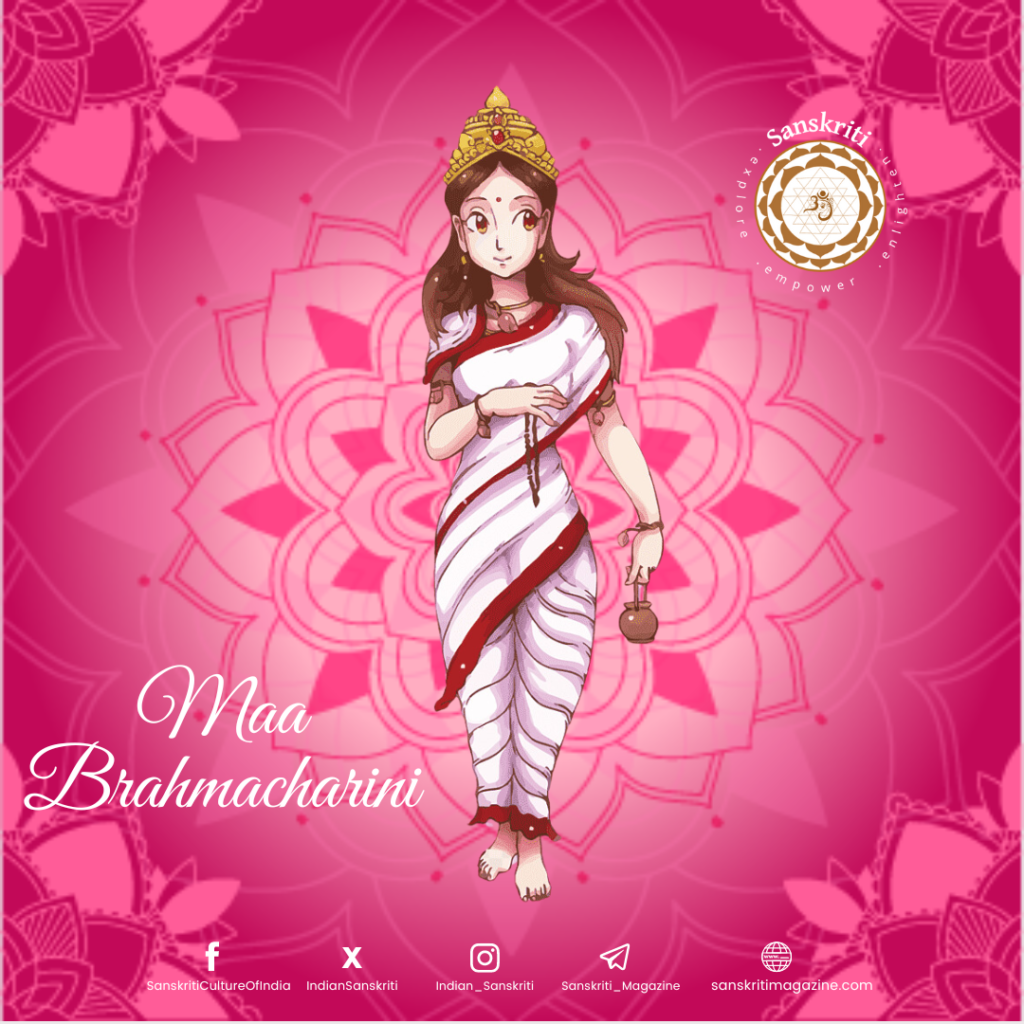
On the second day of Navratri, we celebrate and honor Goddess Brahmacharini, the epitome of penance, devotion, and love. Brahmacharini, the second form of Goddess Durga, signifies a path of severe penance undertaken by her to attain Lord Shiva. She is depicted holding a water pot (kamandalu) in her left hand and a rosary (mala) in her right hand, representing wisdom and restraint. The day’s worship inspires discipline, devotion, and self-sacrifice among her devotees.
Significance of Day 2:
The name “Brahmacharini” is derived from the Sanskrit words “Brahma” (penance) and “Charini” (follower). She symbolizes “Tapa” (austerity) and embodies absolute dedication. Brahmacharini teaches us about the importance of self-control, wisdom, and devotion. Her story is a powerful symbol of a woman’s determination and patience, showcasing the strength it takes to pursue a path of spiritual growth. The form of Brahmacharini is serene, signifying how devotion can bring inner peace and stability.
Spiritual Aspect:
Goddess Brahmacharini is linked with the Swadhisthana Chakra, or Sacral Chakra, which represents our creativity, emotions, and pleasure. Worshipping Brahmacharini is believed to help in balancing emotions and achieving mental clarity. This focus on the Sacral Chakra brings the energy of creativity and passion, propelling us toward self-discovery and higher consciousness.
Rituals of the Day:
- Kalash Sthapana Continuation: The sacred Kalash set up on Day 1 is still worshipped today, with prayers and offerings dedicated to Goddess Brahmacharini.
- Offerings: Devotees offer jasmine flowers, sugar, fruits, and sesame seeds to Goddess Brahmacharini. Sugar is particularly offered, symbolizing the sweet rewards that come from patience and devotion.
- Fasting: On this day, many devotees fast, consuming only fruits and milk, avoiding grains or cooked food. This practice is seen as an act of devotion and a way to purify the body and mind.
- Chanting Mantras: Reciting the mantra “Om Devi Brahmacharinyai Namah” helps invoke the Goddess’s blessings. It is believed that her worship eliminates obstacles and ensures strength and resolve to pursue one’s goals.
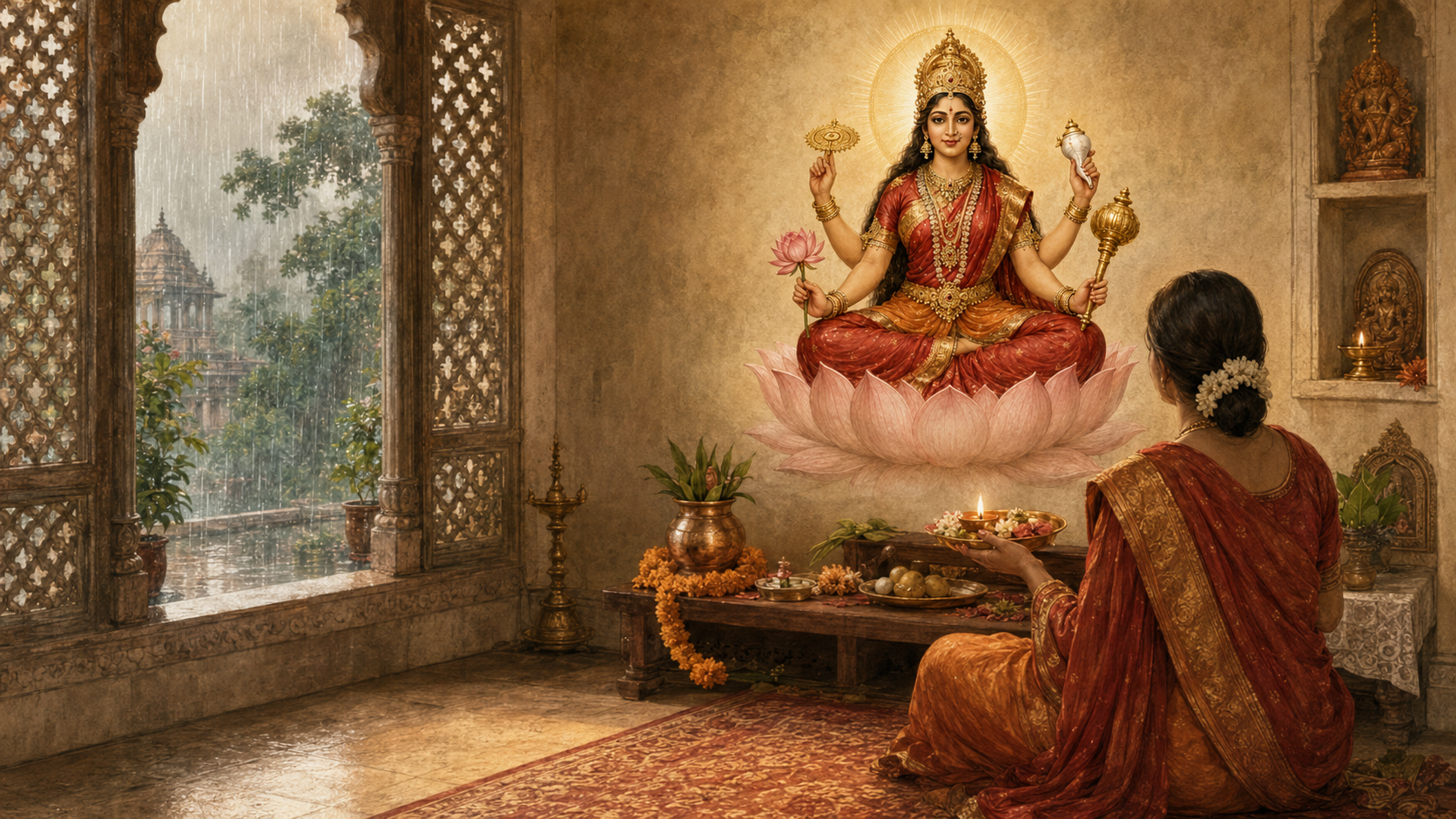
- Lighting a Lamp: A lamp is lit before the deity to signify the light of knowledge and wisdom, which guides us towards our spiritual journey.
Color of the Day: Green
The color of the day is Green, symbolizing growth, renewal, and prosperity. It is also associated with nature and balance, reminding devotees of the deep connection to Mother Earth. Wearing green is believed to bring balance, tranquility, and freshness into the lives of worshippers.
Mantra to Chant:
To invoke the divine blessings of Goddess Brahmacharini, the following mantra is chanted:
- “Om Devi Brahmacharinyai Namah” Chanting this mantra helps in fostering discipline, devotion, and dedication in one’s life.
Prasad of the Day:
The prasad offered on this day includes sugar and fruits, signifying simplicity and purity. Devotees distribute this prasad among family and friends, sharing the blessings and divine grace of the goddess.
Story of Goddess Brahmacharini:
The story of Goddess Brahmacharini revolves around her deep and unwavering penance to attain Lord Shiva. In her previous birth, as Parvati, she was determined to marry Lord Shiva and underwent extreme austerities. She gave up all comforts, and her penance lasted for thousands of years. Her devotion and severe penance impressed even the Gods, and eventually, Lord Shiva accepted her as his consort. Her form as Brahmacharini symbolizes strength through discipline, commitment, and devotion to a higher purpose.
Devotees’ Practices:
- Ghatasthapana Worship: Devotees worship the Kalash and light lamps at their homes as a symbol of welcoming divine energies.
- Bhajans and Kirtans: Temples and homes echo with bhajans and kirtans, celebrating the divinity and devotion of Goddess Brahmacharini.
- Community Celebrations: Communities come together to organize events, offering food to the needy, and participating in cultural activities that promote unity and devotion.
Navratri’s Day 2, dedicated to Goddess Brahmacharini, inspires us to remain committed to our goals and embrace discipline and devotion in our lives. Her serene and powerful form encourages devotees to walk the spiritual path with determination, resilience, and love. On this day, let us worship Brahmacharini to cultivate the patience, self-control, and dedication needed to overcome challenges and attain success.
Stay tuned for Day 3 of Navratri as we celebrate Goddess Chandraghanta, the embodiment of courage and strength.
Lorem ipsum dolor sit amet, consectetur adipiscing elit. Ut elit tellus, luctus nec ullamcorper mattis, pulvinar dapibus leo.