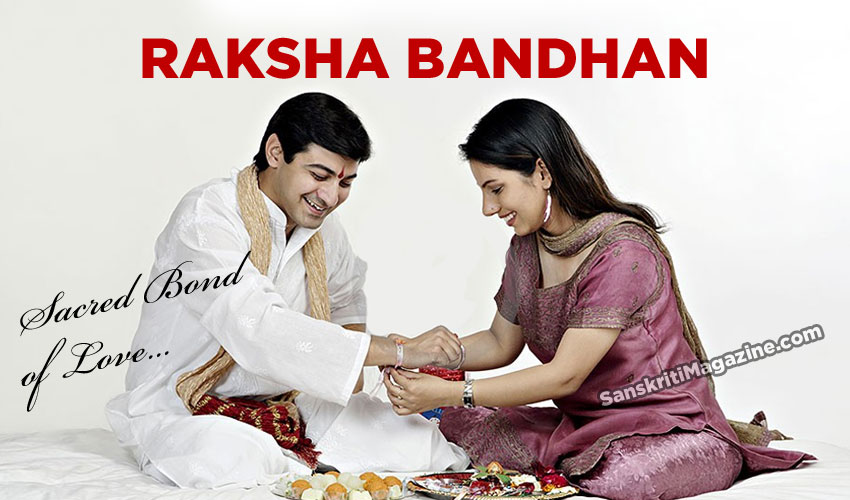
In the world of religious feast and festivities, India has become a hub for multi-cultural religiosity and celebrations. Amidst this cultural, racial and religious background, Hinduism has given birth to feast of Rakhi in India. Raksha Bandhan the Indian festival of tying the knot of amity, brotherhood and long life, is a symbol of seeking the Divine bliss. It is sine qua non for those men on whose wrist this sacred Rakhi is tied. It is an eternal bond of love, joyfulness, rituals, sentiments and prayer.
However, in recent times the humanity has lost its moral and spiritual bearings and society has become so degraded and impure, that not even a mother, daughter, sister or daughter-in-law is protected from the criminal eyes of even close family relations, neighbours and the society at large. The sacred filial covenant of love is in real danger when women are exploited and assaulted at our homes and in our neighbourhood by men. The recent Slutwalk and ‘youth movement’ for the sake of Nirbhaya in Delhi is an indicator of how women feel insecure at the side of men who even don’t allow them to be free in their dress selection, job choices and relationships in personal lives. But the festival of Rakhi brings a deeper meaning and understanding to the celebrations because it has to do basically with women, who are obviously somebody’s mother, daughter or sister. Rakhi is the sign of sacred sisterly-brotherly relationship not for one day but for remaining days of the year.
Deeper meaning of Human values
The word raksha means “protection” and bandhan connotes “the bond”. So, it signifies the bond of protection. The protection is from the dark hands of the evils and against all perils. This protection reveals not only the physical but also the spiritual aspects. The spiritual significance of Raksha Bandhan is when one takes a sacred divine vow of purity with the God, to live a life of purity in thoughts, words and actions. It is the affection, admiration, love, fondness, respect and emotional bonding between a sister and a brother that adds meaning to the rakhi. As it promotes these values of life it is considered as a unique festival.
Indians believe that relationships are the essence of celebration. A Rakhi is not merely a thread but a strong knot of never dying relationship between siblings. Rakhi festivity brings the whole family together. It is a day to celebrate the sacred relation of sisters and brothers. It is a festival that primarily belongs to the North and Western regions of India but celebrated throughout the country with the same fervor and gaiety. Although, regional celebrations may be different but Raksha Bandhan has become an integral part of the customs and traditions of India presently.
Traditional way of Celebrations
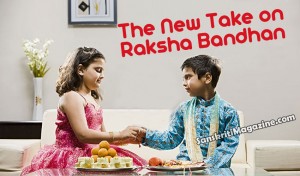
Every year, the festival falls on the Shravan Purnima (the full moon day) of shravan month (as per the Hindu calendar) which comes generally in the month of August. All the sisters on this day wake up early in the morning take bath and offer prayer to God. It is there in traditions that sister prepares the pooja thali (Aarti ritual) with kumkum powder, diya, chawal, rakhis, sweets to make her brother feel all the more important.
She then begins with a prayer to God, ties a “rakhi” (or a thread) on her brother’s wrist (on the right hand) and prays for his well being from all evil and brother in return promise to protect his sister from all kinds of problems and difficulties. There is also the custom of giving a gift by the brother to the sister after tying the rakhi. Thus, this unique festive mood creates a feeling of belongingness and oneness amongst the family. Since, the festival is being celebrated in every nook and corner of India and abroad, it is known by many different names like Vish Tarak – the destroyer of venom, Punya Pradayak – the bestower of boons, and Pap Nashak – the destroyer of sins.
You may also like:

..