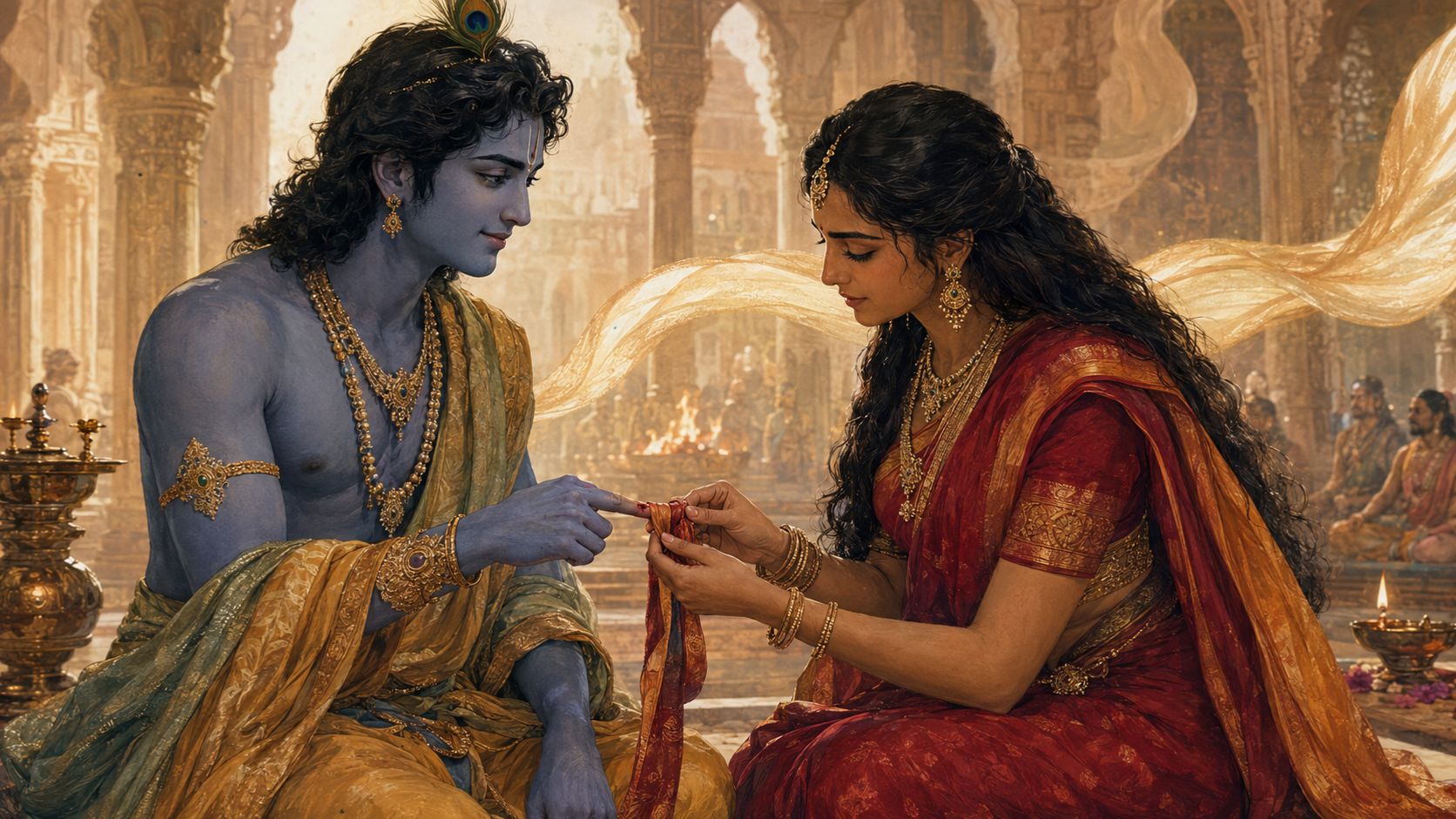
“Hypocrisy, pride, self-conceit, wrath, arrogance and ignorance belong, O Partha, to him who is born to the heritage of the demons.” ~ The Gita, XVI. 4
While pride harms only the proud, arrogance due to overbearing pride brings contempt for others. An arrogant man is often rude and very fond of offending his friends, relatives, colleagues and everyone else who comes in contact with him.
Pride
Pride rears its head even in the most unsuspected corners. One man may be proud that he is proud, and another, proud that he is not proud. While one may be proud that he is a non-believer in God, another may be proud of his devotion to God. Learning may render one man proud, and yet ignorance can also be the source of pride for another man.
Ego
Ego is nothing but pride in its inflated form. For example, an arrogant man is unduly or excessively proud of his wealth, status, learning, etc. He shows ego in spirit of conduct. He is unwarrantably overbearing and haughty. His head is swollen like the swelling caused by dropsy. He thinks very highly of himself and poorly of others. He claims much for himself and concedes little to others.
Arrogance
Arrogance is an absorbing sense of one’s own greatness. It is a feeling of one’s superiority over others. In the presence of superiors, overweening pride manifests itself as arrogance. Pride is too self-satisfied to care for seeing the good in others and in praising them.
Vanity
Another by-product of pride is vanity, which intensely craves admiration and applause. It is undue assumption of self-importance. It often results in open and rude expression of contempt and hostility. It quickly takes for granted superiority and privilege, which others are slow to concede.
Why is it Difficult to Ward Off the Ego?
However, if you think pride or ego is easy to get rid of, think again! The play of the ego pervades our whole life. The ego does not go away by merely substituting some set phrase for “I”. As long as the body is alive and the mind functions in and through the body, what is known as the ego or the personality will arise and exist. This ego or pride is not a permanent and unquestionable reality. It is a temporary phenomenon; it is ignorance that invests it with permanency. It is a concept; it is ignorance that elevates it to status of reality. Only enlightenment can bring you this wisdom.
The Underlying Paradox
How does enlightenment arise? How does the realization “God is the real doer and we are just His means” get instilled in our hearts? I am sure you will agree that until this realization arises in our minds and inner intelligence, we cannot get rid of the ego. One may very easily say, “Practice Karma-Yoga and the ego will disappear.” Is practicing Karma-Yoga as simple as these words sound? If, for instance, you proudly say or claim that you have been a Karma-Yogi, i.e., doing your duties and not looking for rewards, for years and years and years, then you become so vain and arrogant that the ego waxes gloriously inside you, instead of being eliminated. The argument is that if you are established in the practice of Karma-Yoga, your heart is purified, and then in that pure heart divine grace dispels the darkness of the ego. Possibly! But before you get to that stage, the ego becomes so great that the earlier philosophy is completely forgotten.
May God Bless You!
So, what should we do to exorcise the devil of pride (ego) and arrogance? In my opinion, only by the grace of God one can be watchful of the presence of pride in all our actions. How does one earn God’s grace? You cannot earn it because that will again involve your ego.
In the Bhagavad-Gita, Lord Krishna says: “On account of pure compassion I bestow knowledge on My devotee. I give it out of compassion, not because he deserves it.” Mark the Lord’s words, “My devotee.” Who is His devotee? He, whose heart all the time cries, “My God, what am I going to do? I can’t get rid of my ego. I cannot deal with my pride” — in the hope that one day by the miraculous grace of God someone, probably a Guru will come in your life, who will switch on the enlightenment and put off the pride. Until then all you can do is to keep praying.
~ Gyan Rajhans