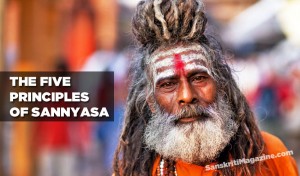
The Five Principles of Sannyasa
Sannyasa has two aspects – one is vairagya, non-attachment and the other is viveka, discrimination. It is the aim of sannyasa to reach a level

Sannyasa has two aspects – one is vairagya, non-attachment and the other is viveka, discrimination. It is the aim of sannyasa to reach a level
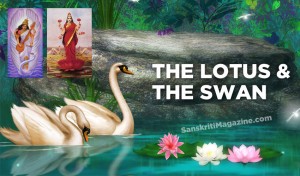
Some leaders of our country believe that schools should begin their day with prayers to Saraswati, goddess of knowledge. Why not with a hymn to

What it means to be a Hindu and an American! The Hindu American Foundation conducted its annual essay contest in which young writers were asked how
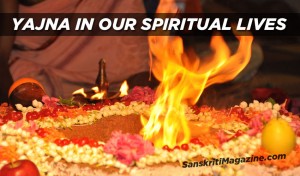
By Swami Niranjanananda Saraswati What is the meaning and significance of yajna in our spiritual lives? What is the relevance of anything in life? Anything

I grew up publicly ashamed of my religious background. That’s all changed. Throughout my academic and journalistic career I worked to reconcile my Hindu identity

By Swami Satyananda Saraswati I have had a glimpse of the new millennium. Yoga will go backstage and bhakti will take its place. Bhakti means

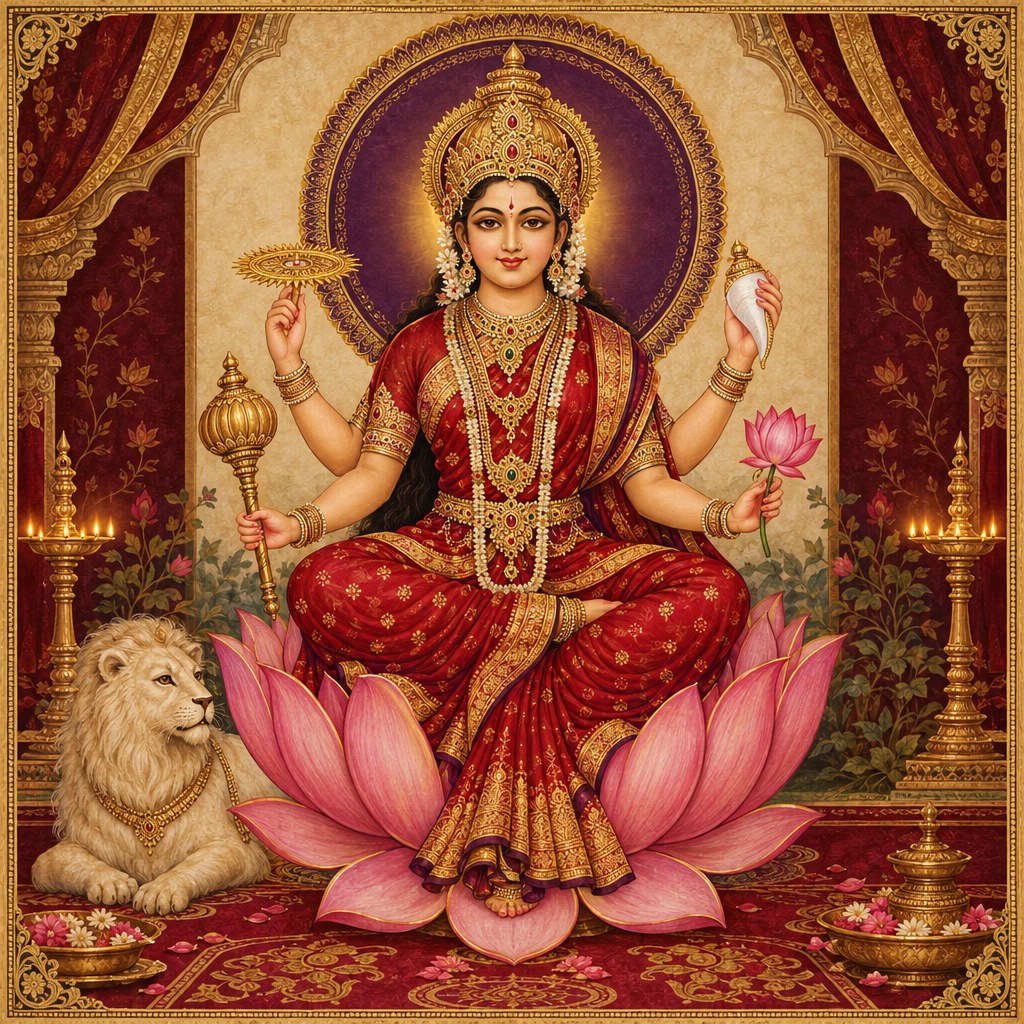
Explore Maa Siddhidatri’s form, meaning and symbols, with a simple Navratri reflection and a practice you can carry into daily life.
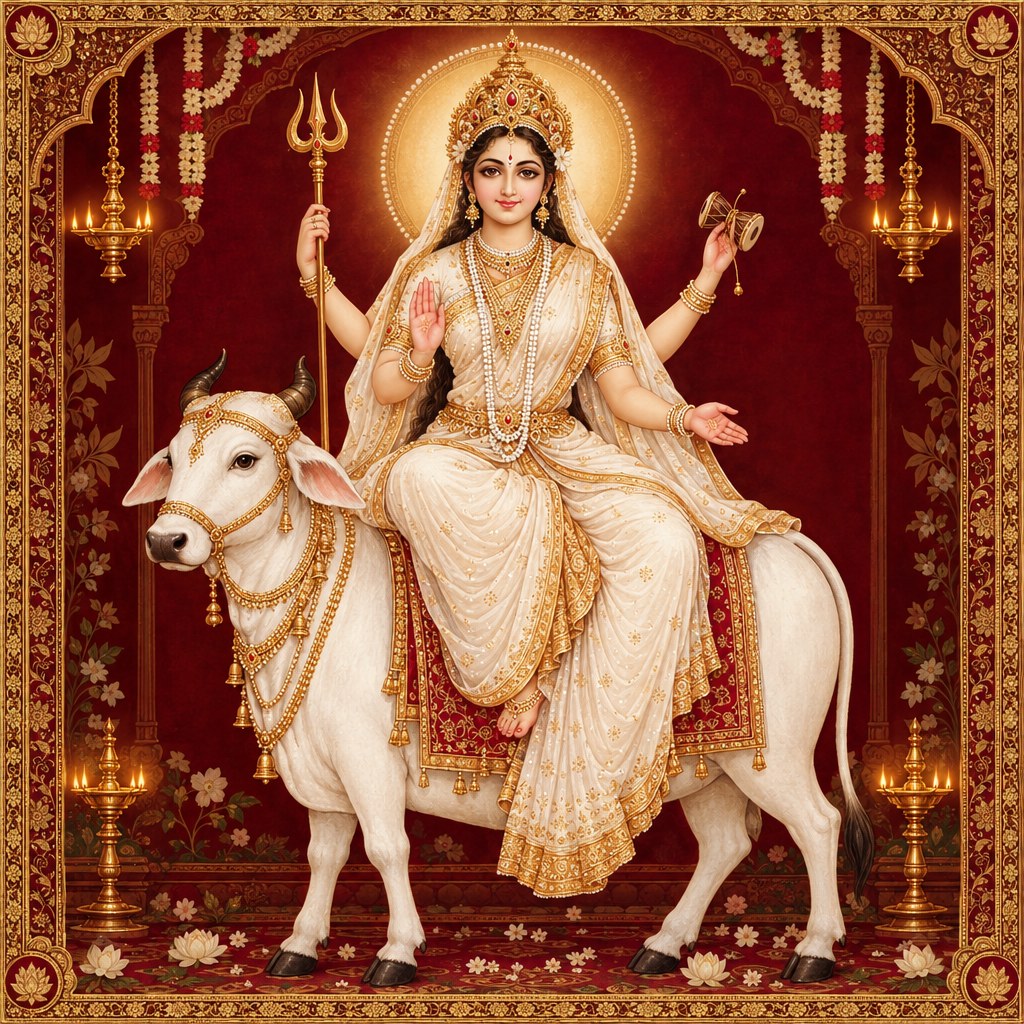
Explore Maa Mahagauri’s form, meaning and symbols, with a simple Navratri reflection and a practice you can carry into daily life.
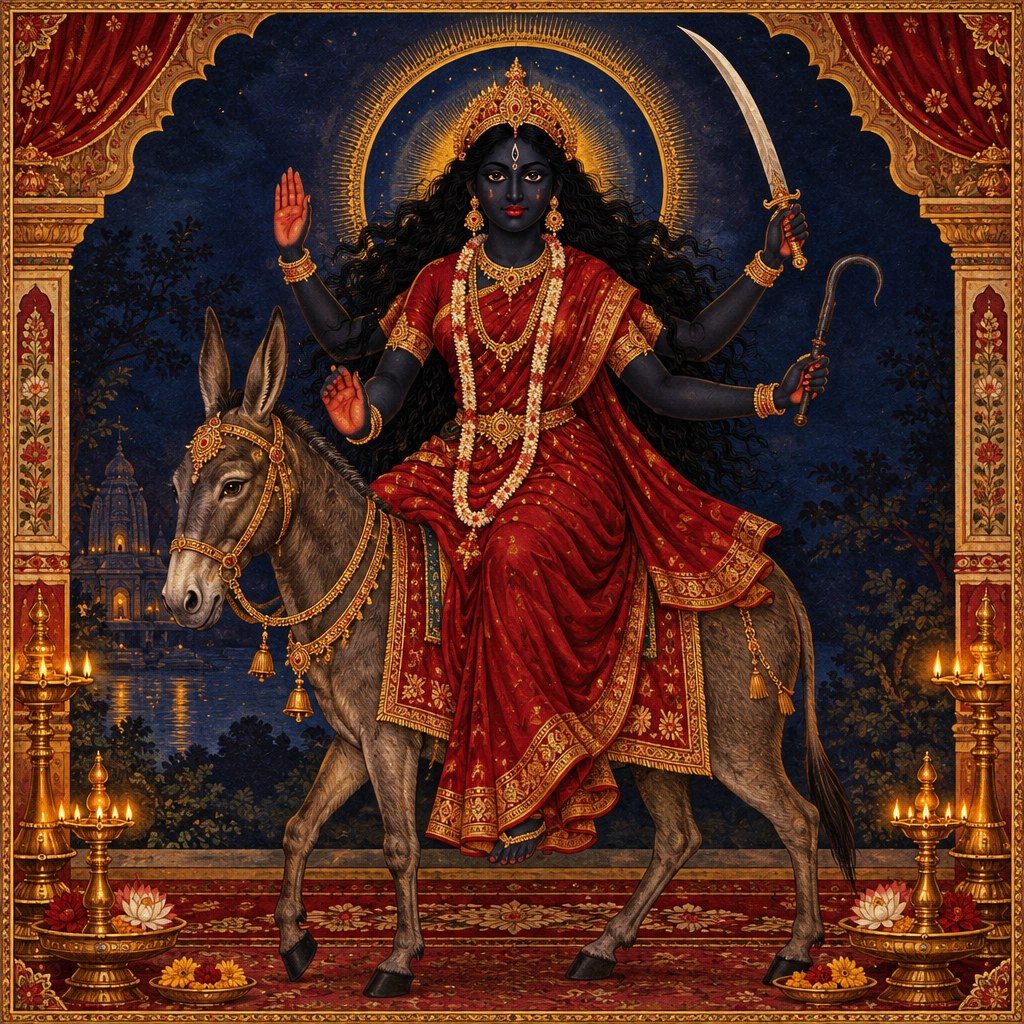
Explore Maa Kalaratri’s form, meaning and symbols, with a simple Navratri reflection and a practice you can carry into daily life.
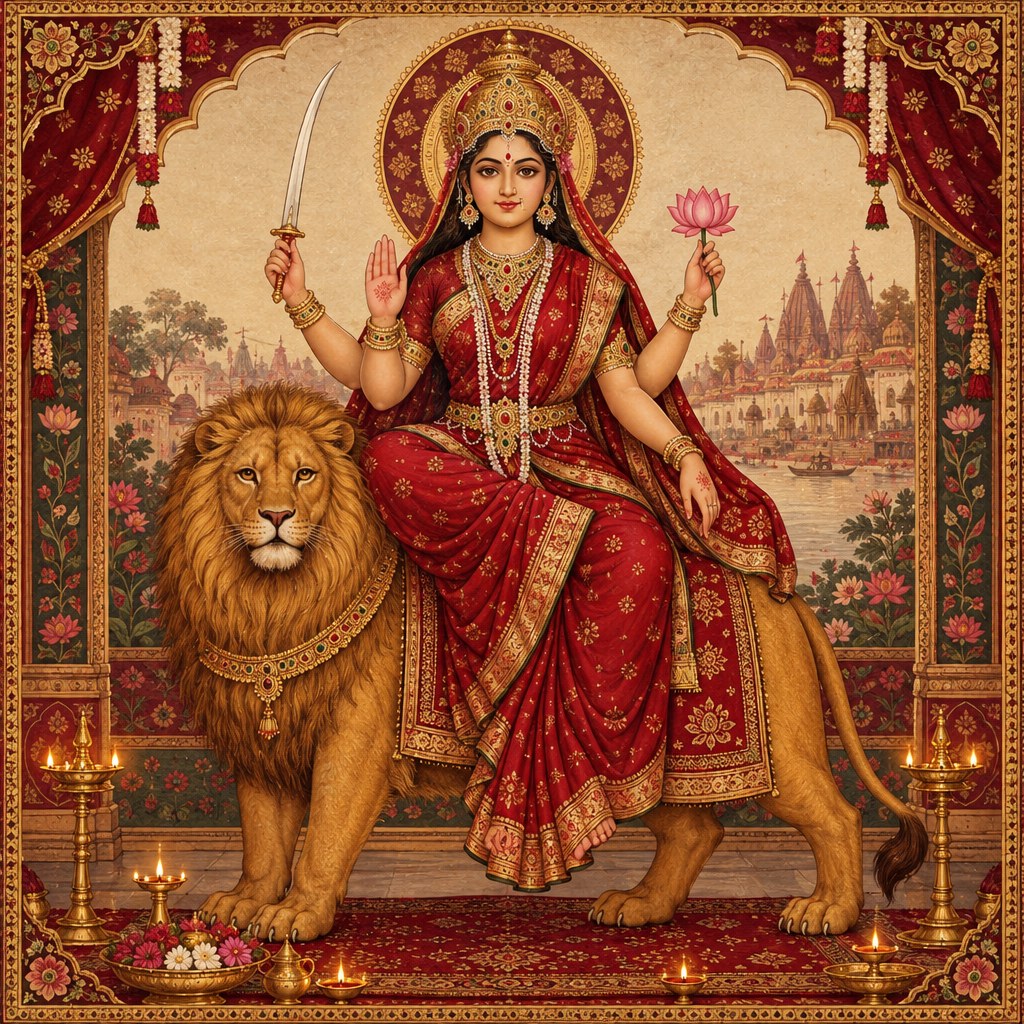
Explore Maa Katyayani’s form, meaning and symbols, with a simple Navratri reflection and a practice you can carry into daily life.
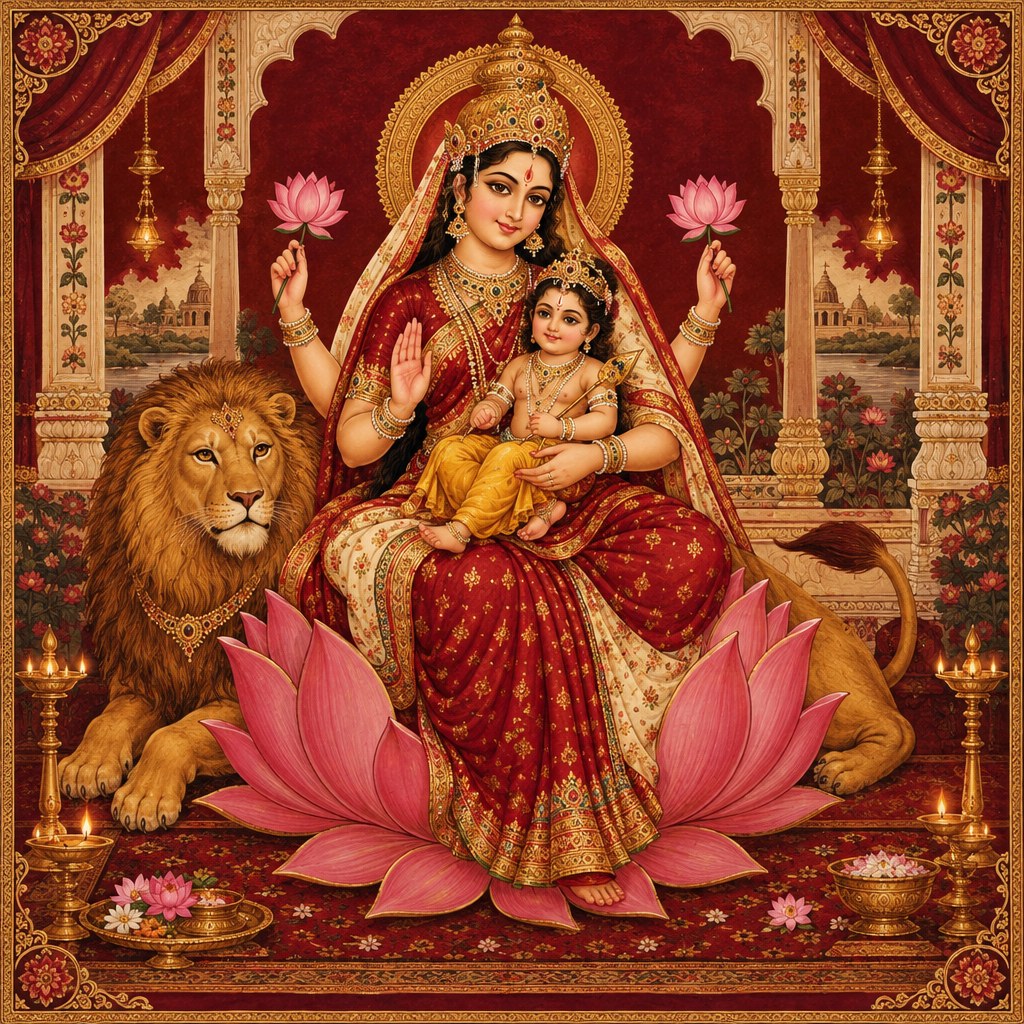
Explore Maa Skandamata’s form, meaning and symbols, with a simple Navratri reflection and a practice you can carry into daily life.

