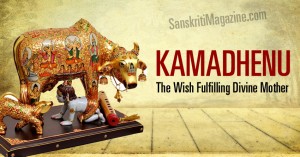
Kamadhenu: The Wish Fulfilling Divine Mother
Kamadhenu, also known as Surabhi is the divine bovine-goddess and the mother of all cows in Hinduism. She is the sacred cow who emerged from

Kamadhenu, also known as Surabhi is the divine bovine-goddess and the mother of all cows in Hinduism. She is the sacred cow who emerged from
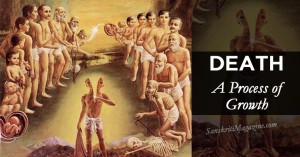
In society today there is much talk of death and dying because of the premature loss of life due to crime, cancer, AIDS, and the

Karma, meaning action, is a term in yogic spirituality for explaining the soul’s evolution from life to life. Karma is generally portrayed as the effect

The typical Indian mentality and the path of Hinduism, or the Vedic path of spiritual progress, is one of great individuality and freedom for each

This is not an exercise in self-aggrandizement. This is not to vilify any person or his/her faith. This article does not set out to find

Q: In the fifteenth chapter of the Gita, there is a description of a tree which is upside down. The branches are in the ground

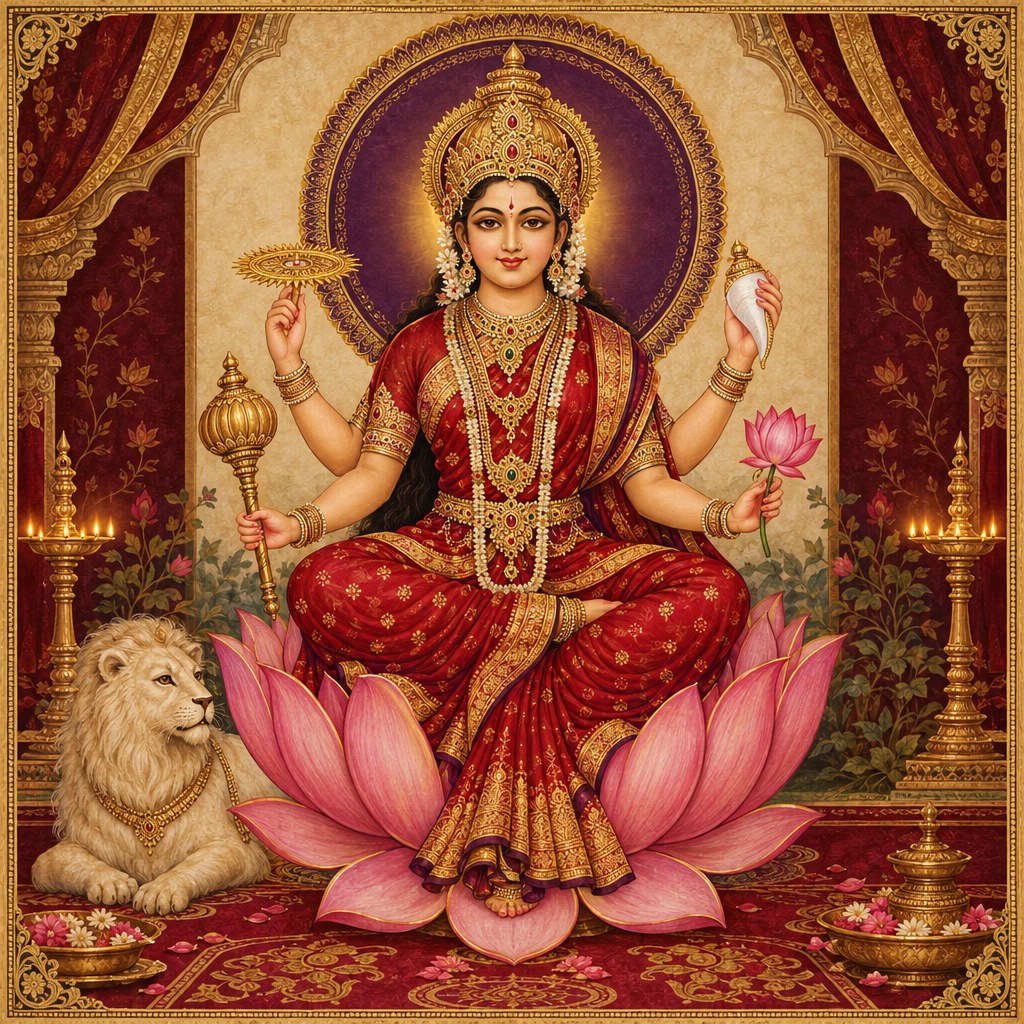
Explore Maa Siddhidatri’s form, meaning and symbols, with a simple Navratri reflection and a practice you can carry into daily life.
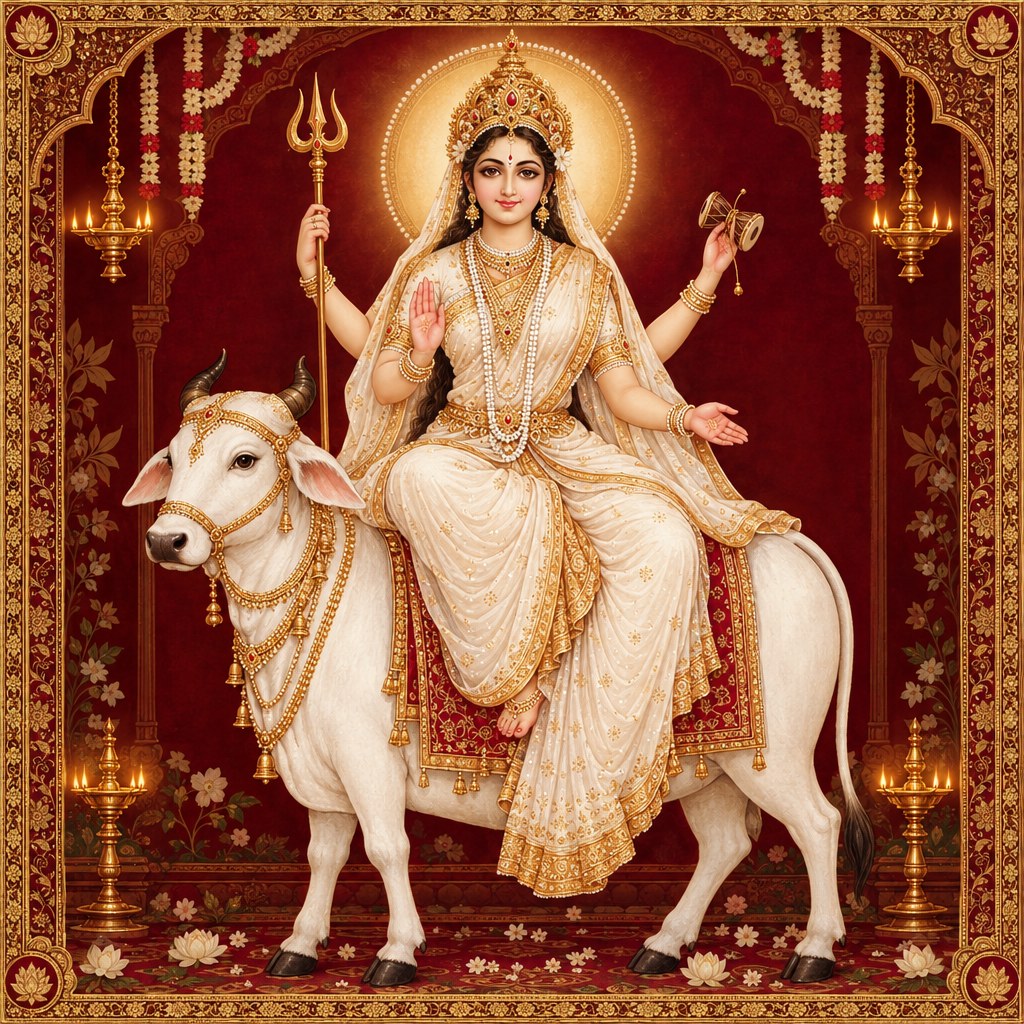
Explore Maa Mahagauri’s form, meaning and symbols, with a simple Navratri reflection and a practice you can carry into daily life.
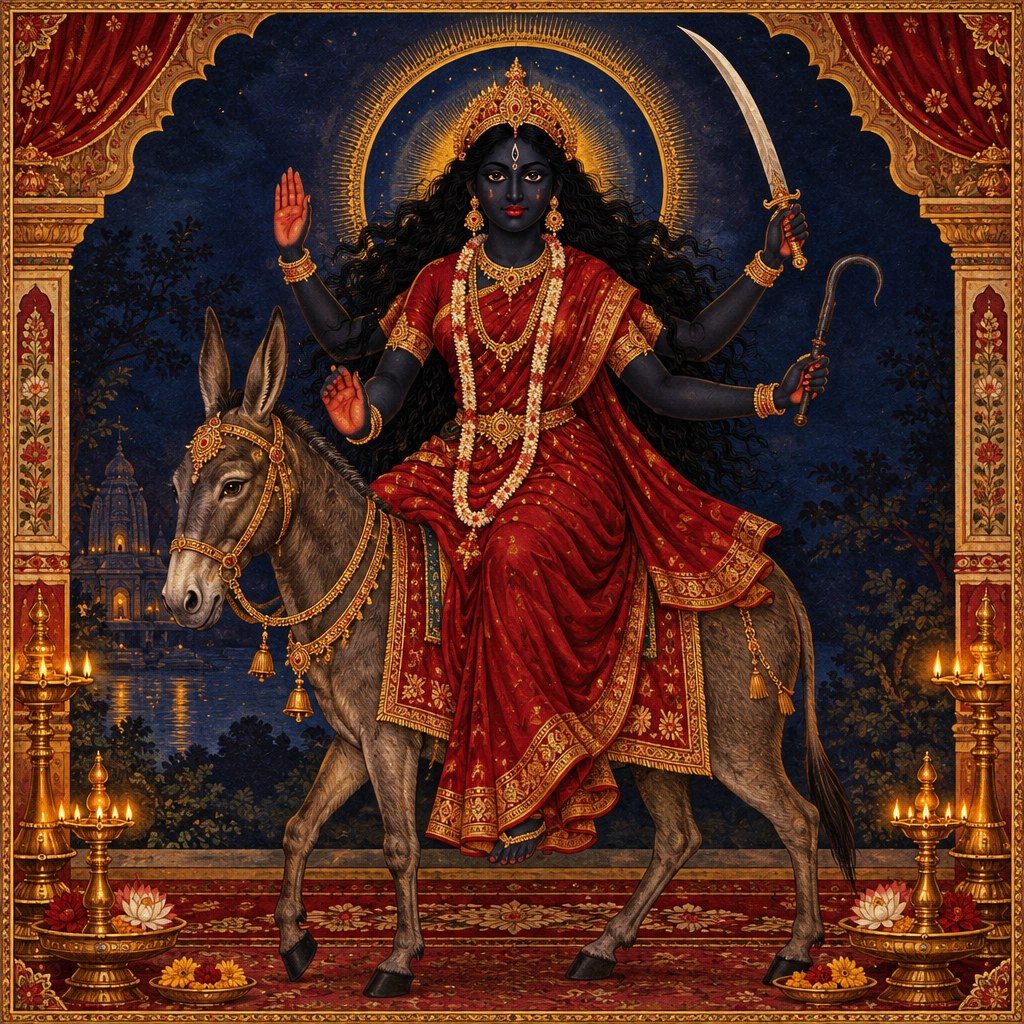
Explore Maa Kalaratri’s form, meaning and symbols, with a simple Navratri reflection and a practice you can carry into daily life.
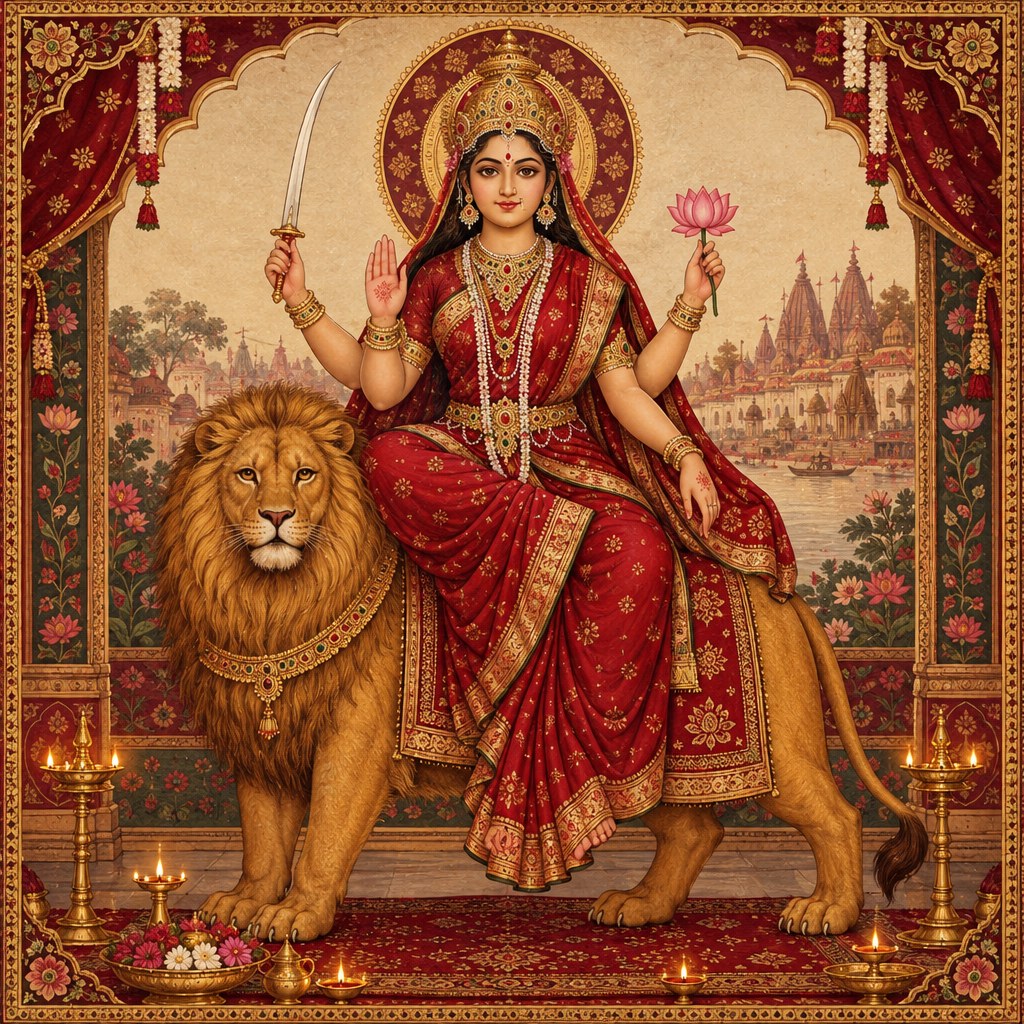
Explore Maa Katyayani’s form, meaning and symbols, with a simple Navratri reflection and a practice you can carry into daily life.
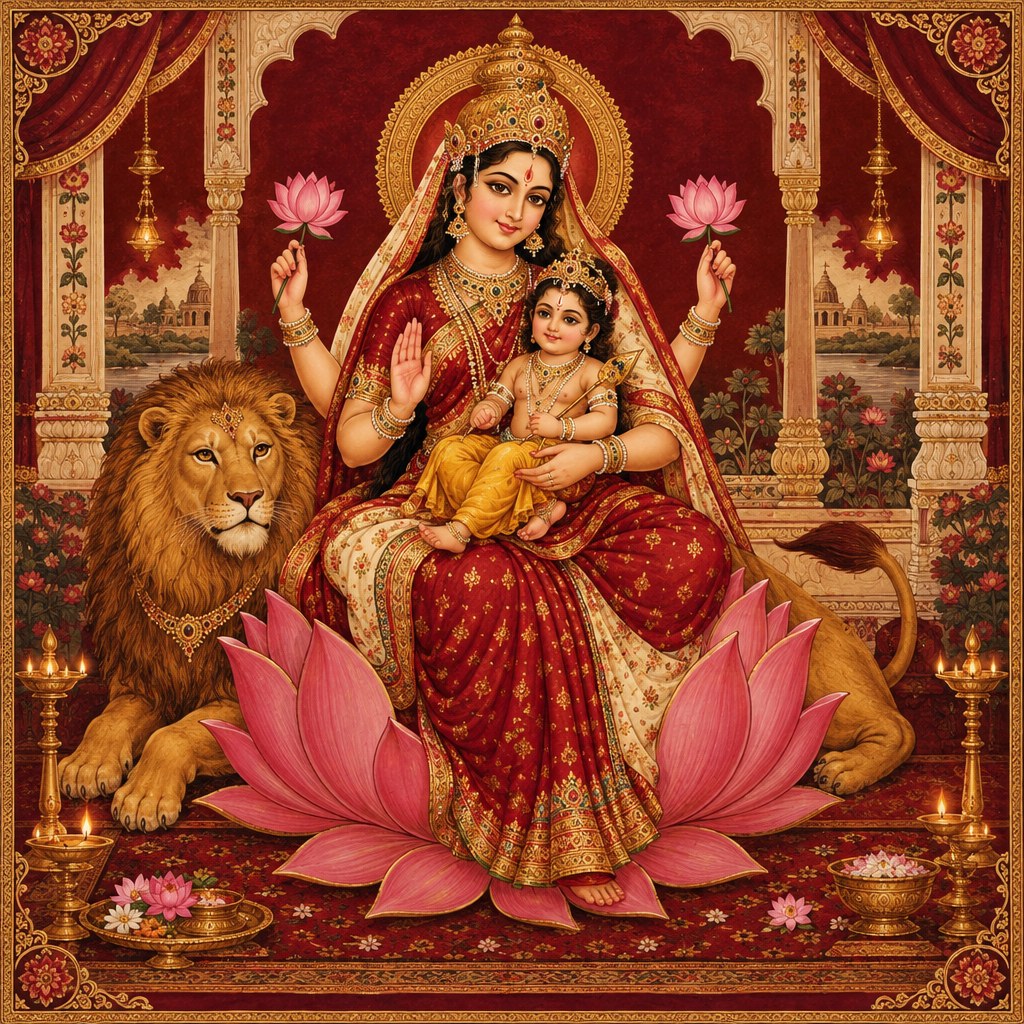
Explore Maa Skandamata’s form, meaning and symbols, with a simple Navratri reflection and a practice you can carry into daily life.

