
History of Gods and Goddesses of Ancient India: The Boghaz Koi Inscription
~ Series By Santosh Kumari / प्राचीन भारत के देवी-देवताओं का इतिहास शृंखला, संतोष कुमारी Similar is the case with another reference to Vedic gods discovered by Hugo

~ Series By Santosh Kumari / प्राचीन भारत के देवी-देवताओं का इतिहास शृंखला, संतोष कुमारी Similar is the case with another reference to Vedic gods discovered by Hugo

Will Germans be the eventual custodians of Sanskrit, its rich heritage and culture? If the demand for Sanskrit and Indology courses in Germany is any

Nassak Diamond, from Amaragiri Mines was Eye of Murti at Trimbakeshwar Shiva Temple during 1725-1817 CE. Peshwa Bajirao-2 gave it to East India Company by
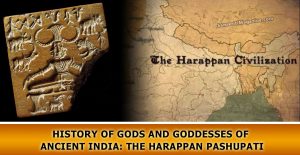
~ Series By Santosh Kumari, Staff Writer / प्राचीन भारत के देवी-देवताओं का इतिहास शृंखला – संतोष कुमारी India, more than any other country in the

~ By Salil Gewali, Shillong One scholar from Punjab recently wrote on his Facebook wall — “While our brave Gorkha soldiers are shooting the dreaded terrorists in
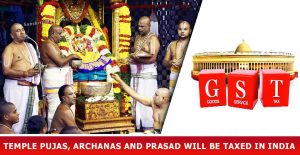
The following article by G.S. Radhakrishna highlights the fact that the central government will begin taxing all temples in the country on things such as


Bhadrapada begins today in North India, opening a lunar month that moves from the midnight

The 12 Jyotirlingas of Lord Shiva — where each stands, its sacred story, and how to make the Dwadasha Jyotirlinga pilgrimage in person or in spirit this Shravan.

The Rudrabhishek is the abhishekam said to please Lord Shiva fastest. What it is, the meaning of each sacred substance, the Sri Rudram, and how it is performed at home this Shravan.

Shravan runs July 30–Aug 27 in 2026, with four Sawan Somwars (Aug 3, 10, 17, 24). Why the whole month belongs to Mahadeva — the churning of the ocean, the poison He drank, and how to keep the Sawan vrat.

Thiruvonam 2026 falls on Wednesday, August 26 — the crown of Kerala’s ten-day festival. The Bhagavata story of King Mahabali and the Vamana avatar, and why Onam is a homecoming, not a defeat.

