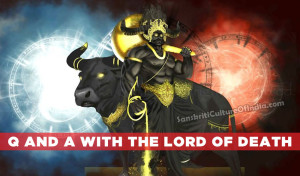
Q & A With the Lord of Death
The Indian spiritual traditions are replete with dialogues, Q&As and rhetoric on truth. Even in the great epic Mahabharata we find many accounts of reasoning

The Indian spiritual traditions are replete with dialogues, Q&As and rhetoric on truth. Even in the great epic Mahabharata we find many accounts of reasoning

The Dominance of Angreziyat in Our Education Societies which have put vast amounts of energy and thinking into providing good quality education and opportunities for

When I first visited Hungary a decade ago I was stuck by the great eagerness of local people, especially youth, to learn pranayama and meditation
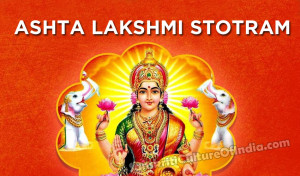
Lakshmi is commonly known as Goddess of wealth. Wealth is tradition and values, Family and progress, not simply money. Belongings such as land, property, animals,
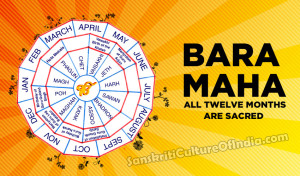
In Sikhism, viraha or separation is commonly used in Barah Maha or 12 months to depict the moods of a love-stricken woman in terms of

For centuries, many civilizations in the world have worshiped the sun, an effulgent star that lights up the whole world every day. Many religious cultures


The 12 Jyotirlingas of Lord Shiva — where each stands, its sacred story, and how to make the Dwadasha Jyotirlinga pilgrimage in person or in spirit this Shravan.

The Rudrabhishek is the abhishekam said to please Lord Shiva fastest. What it is, the meaning of each sacred substance, the Sri Rudram, and how it is performed at home this Shravan.

Shravan runs July 30–Aug 27 in 2026, with four Sawan Somwars (Aug 3, 10, 17, 24). Why the whole month belongs to Mahadeva — the churning of the ocean, the poison He drank, and how to keep the Sawan vrat.

Thiruvonam 2026 falls on Wednesday, August 26 — the crown of Kerala’s ten-day festival. The Bhagavata story of King Mahabali and the Vamana avatar, and why Onam is a homecoming, not a defeat.
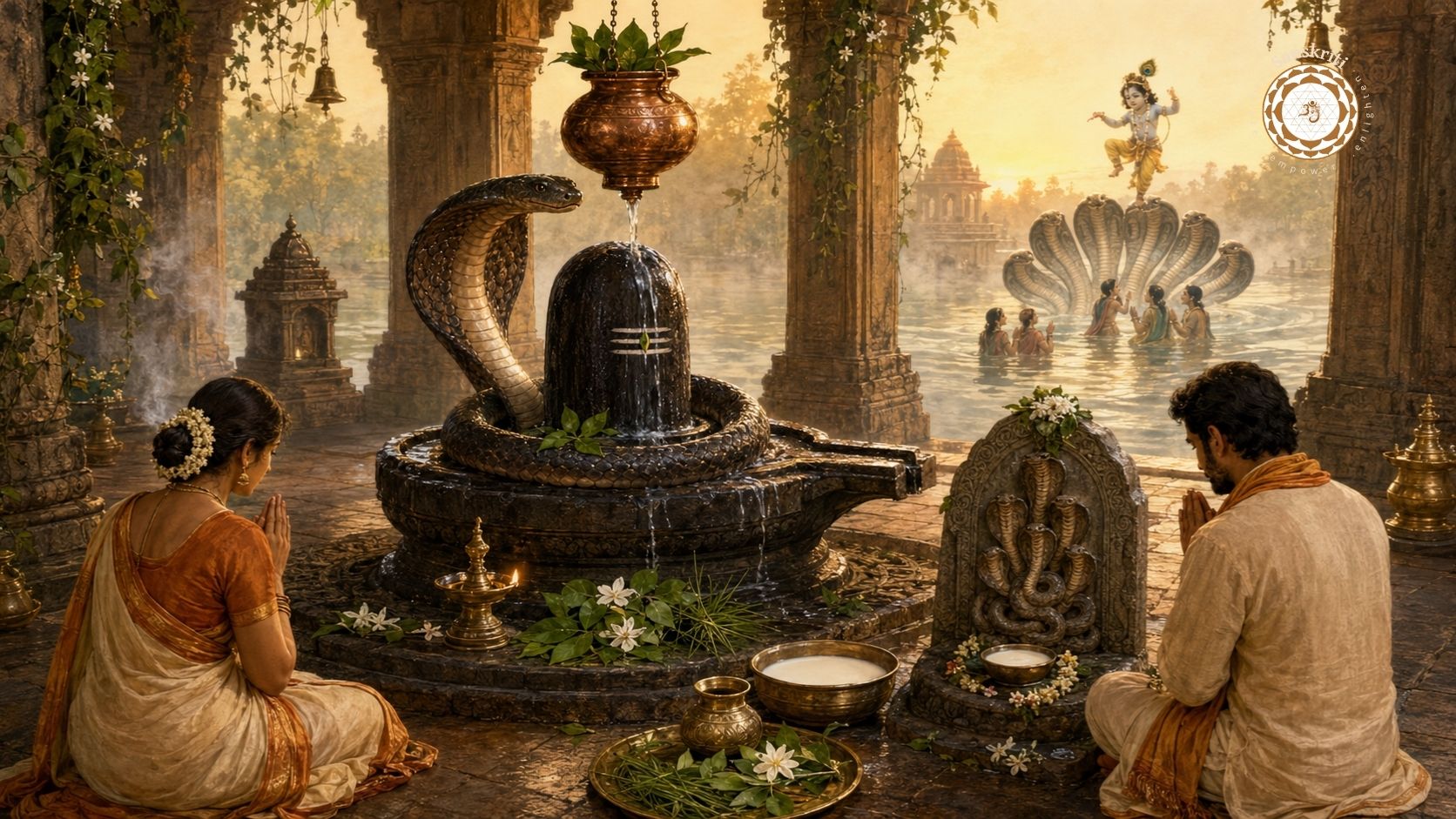
On Monday, August 17, 2026 — a Shravan Monday — Hindus offer milk and prayers to the serpent. The stories of Shesha, Vasuki, Kaliya and Astika, and the puja vidhi for Nag Panchami.

