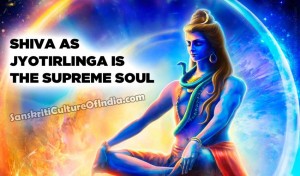
Shiva As Jyotirlinga Is The Supreme Soul
The term ‘Shiva’ is a confluence of two syllables, ‘Shi’ and ‘Va’, meaning the ‘redeemer of sins’ and ‘liberator of sufferings’. The Shvetashvetara Upanishad says,

The term ‘Shiva’ is a confluence of two syllables, ‘Shi’ and ‘Va’, meaning the ‘redeemer of sins’ and ‘liberator of sufferings’. The Shvetashvetara Upanishad says,
A biological research team at Bielefeld University has made a groundbreaking discovery showing that plants can draw an alternative source of energy from other plants.

The Pandavas went to the Gurukul of Dronacharya for education. All the disciples were hard working and used to remember their lessons well. Yudhisthir also

Atithi Devo Bhava, an ancient line taken from the Hindu scriptures and was originally coined to depict a visiting person whose date of arrival and departure is not
Sanskrit is the language of ancient India, the earliest compilation of sound, syllables and written communication and the speech that is praised as divine even
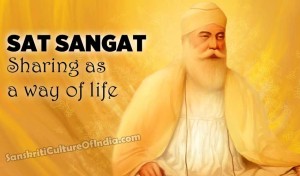
Once Guru Nanak, founder of the Sikh faith, went to a village accompanied by his Muslim companion, Mardana. The people of the village were rude and did not


The 12 Jyotirlingas of Lord Shiva — where each stands, its sacred story, and how to make the Dwadasha Jyotirlinga pilgrimage in person or in spirit this Shravan.

The Rudrabhishek is the abhishekam said to please Lord Shiva fastest. What it is, the meaning of each sacred substance, the Sri Rudram, and how it is performed at home this Shravan.

Shravan runs July 30–Aug 27 in 2026, with four Sawan Somwars (Aug 3, 10, 17, 24). Why the whole month belongs to Mahadeva — the churning of the ocean, the poison He drank, and how to keep the Sawan vrat.

Thiruvonam 2026 falls on Wednesday, August 26 — the crown of Kerala’s ten-day festival. The Bhagavata story of King Mahabali and the Vamana avatar, and why Onam is a homecoming, not a defeat.
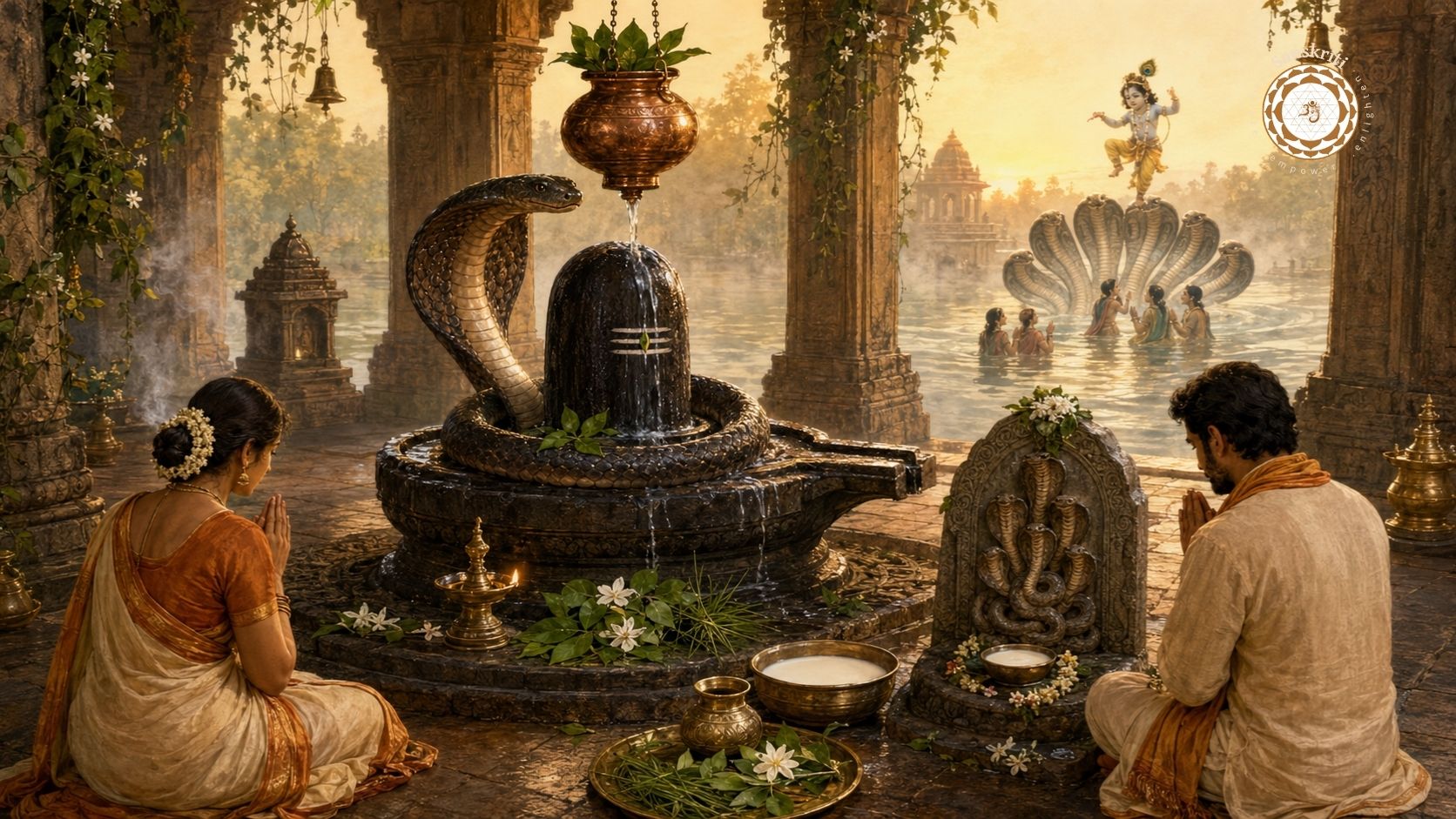
On Monday, August 17, 2026 — a Shravan Monday — Hindus offer milk and prayers to the serpent. The stories of Shesha, Vasuki, Kaliya and Astika, and the puja vidhi for Nag Panchami.

