
Importance of open-mindedness for growth
Very few individuals can claim to be enlightened and those who are enlightened wouldn’t claim to be so. This curiosity of life leaves us with the reality

Very few individuals can claim to be enlightened and those who are enlightened wouldn’t claim to be so. This curiosity of life leaves us with the reality

In a world of sensory overload and school, family and internal pressures, kids need meditation as much as adults. Meditation helps kids develop focus, regulate their own
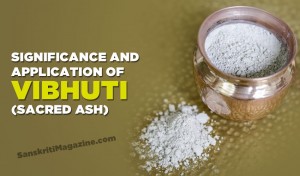
There are many aspects to the usage of vibhuti or sacred ash. First of all, it is a great medium to transfer or transmit energy, and it

This is a simple explanation of how we should view economics according to the principles of Vedic Dharma. First of all, the higher vision of

After the marriage ceremony is concluded the bride and groom are told about their duties and responsibilities in married life. To affirm their faith in

Espionage, euphemistically called the second oldest profession of the world finds a mention in the Indian Vedas, one of the most – if not the


The 12 Jyotirlingas of Lord Shiva — where each stands, its sacred story, and how to make the Dwadasha Jyotirlinga pilgrimage in person or in spirit this Shravan.

The Rudrabhishek is the abhishekam said to please Lord Shiva fastest. What it is, the meaning of each sacred substance, the Sri Rudram, and how it is performed at home this Shravan.

Shravan runs July 30–Aug 27 in 2026, with four Sawan Somwars (Aug 3, 10, 17, 24). Why the whole month belongs to Mahadeva — the churning of the ocean, the poison He drank, and how to keep the Sawan vrat.

Thiruvonam 2026 falls on Wednesday, August 26 — the crown of Kerala’s ten-day festival. The Bhagavata story of King Mahabali and the Vamana avatar, and why Onam is a homecoming, not a defeat.
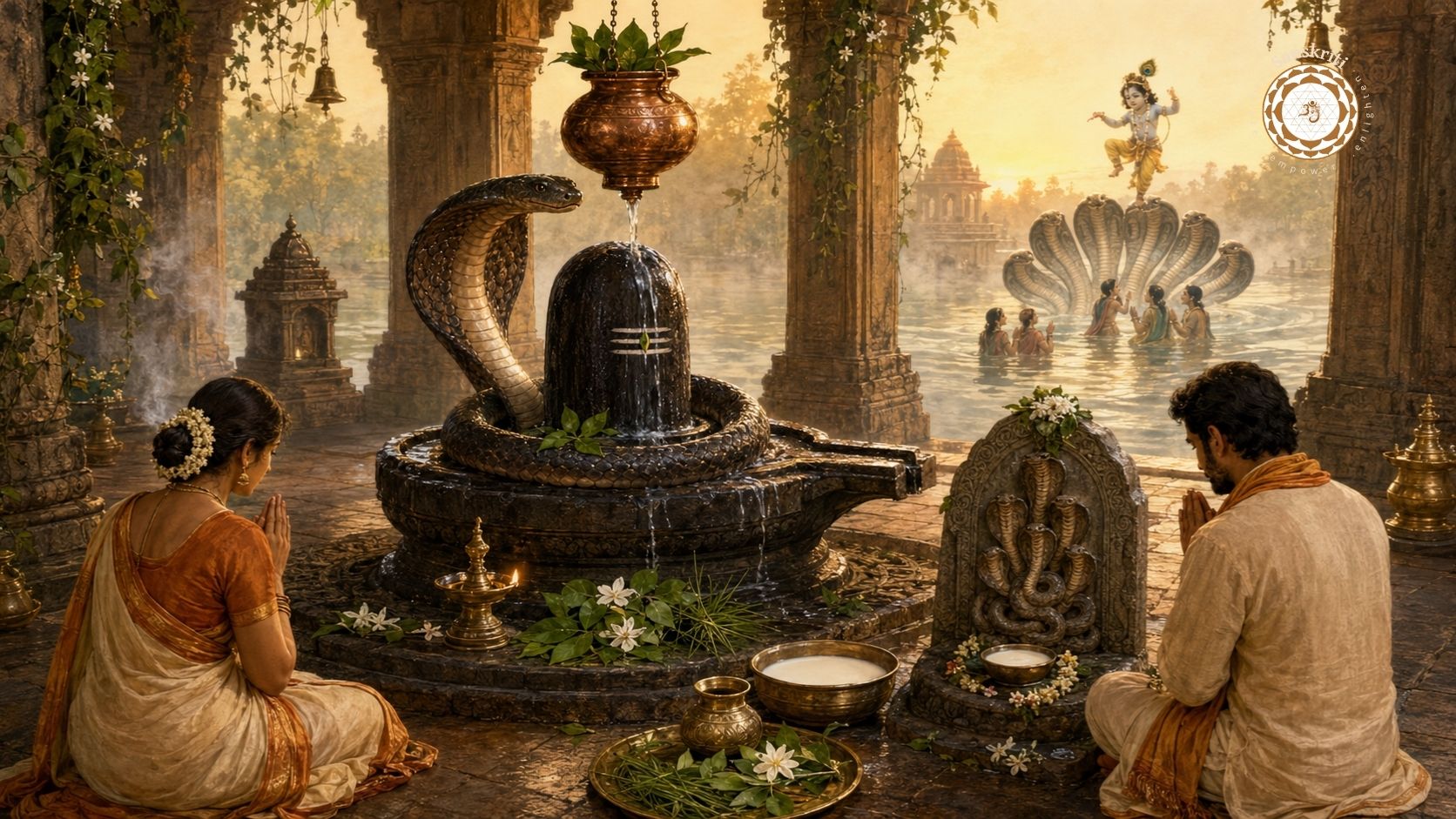
On Monday, August 17, 2026 — a Shravan Monday — Hindus offer milk and prayers to the serpent. The stories of Shesha, Vasuki, Kaliya and Astika, and the puja vidhi for Nag Panchami.

