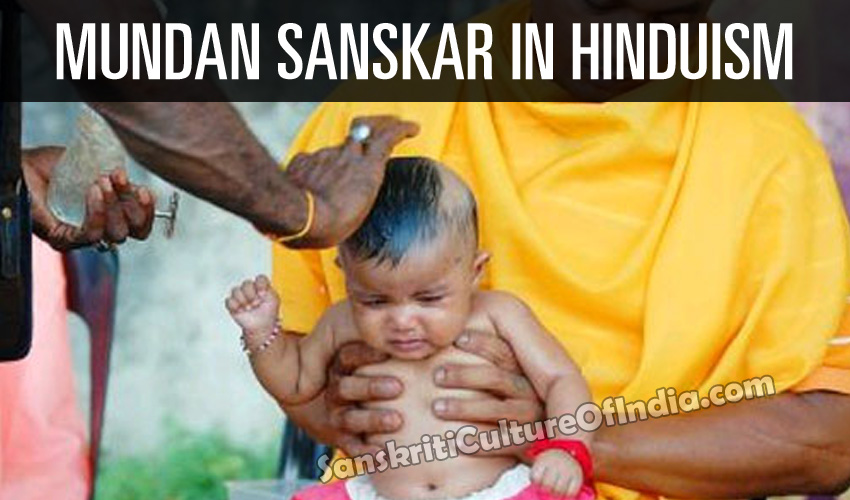
Let this unbreakable razor cut the locks, let the waters with their moistening power soften the hair of the child. May the Lord of creatures remove disease from this child. May this child attain to long life. May this child acquire knowledge.
This mantra from the Atharvaveda is chanted during the Mundan (tonsure) Ceremony (sanskar) – the eighth of the sixteen samskaras prescribed for Hindus during the course of a life span. Each of these significant stages – from conception to cremation – is sacred and a cause for gratitude and celebration; a reminder that life, a unique gift from the Lord, should be respected and lived according to the laws of dharma.
Importance of first haircut
The first haircut is special in most cultures throughout the world and is often considered a rite of passage. In many western cultures, it is seen as a milestone for the baby and is marked by saving a lock of the child’s hair.
Details vary from sect, locality, family and country. While researching hair-cutting, Cook Islands Library and Museum curator Jean Mason discovered many fascinating stories and accounts of the importance of hair. In the past, boys grew their hair as the Maori believed it would protect baby boys from evil spirits that roamed at night.
Some Native American tribes celebrate the first hair cut with a ritualistic dance. In Kenya’s Masai, Kikuyu and other tribes, young men have their heads shaved as part of initiation steps into manhood. Orthodox Jewish boys get their first haircut when they turn three and within the African Caribbean community, it is performed once the child begins to speak clearly.
Significance of Mundan
Hindus have many beliefs about the Mundan Ceremony. Birth hair is associated with undesirable traits from the past. Thus, the mundan is supposed to protect the child from evil and remove any lingering, undesirable and haunting memories of previous lives. Moreover, since infant mortality rates used to be very high, a child reaching his or her first year was a just and happy cause for celebration as this mantra from the Yajurveda clearly points out:
O Child! I perform this tuft-ceremony so that you can attain to long life, constructive power, strength and wealth, good progeny and vigour.
The Smritis prescribe that a boy must have his haircut in his first or third year. In some communities, mundan is only for male children, but most Hindu families perform it for both boys and girls. While complete shaving is common, some people prefer to leave a little tuft on the head, distinguishing this from the tonsure rite for males that takes place when a parent dies. Those that practice complete tonsure offer the hair to special temples, their family deity or a sacred river.
Today’s modern parents generally perform the ceremony out of respect for the wishes of parents and grandparents. Health wise, shaving the hair is supposed to stimulate blood circulation and improve the growth of the hair, brain and nerves. A tuft at the crown of the head is said to protect the memory. It also keeps the child’s head cool, gets rid of lice, and helps relieve headaches and pains of teething.
~ Kumkum Bhatia