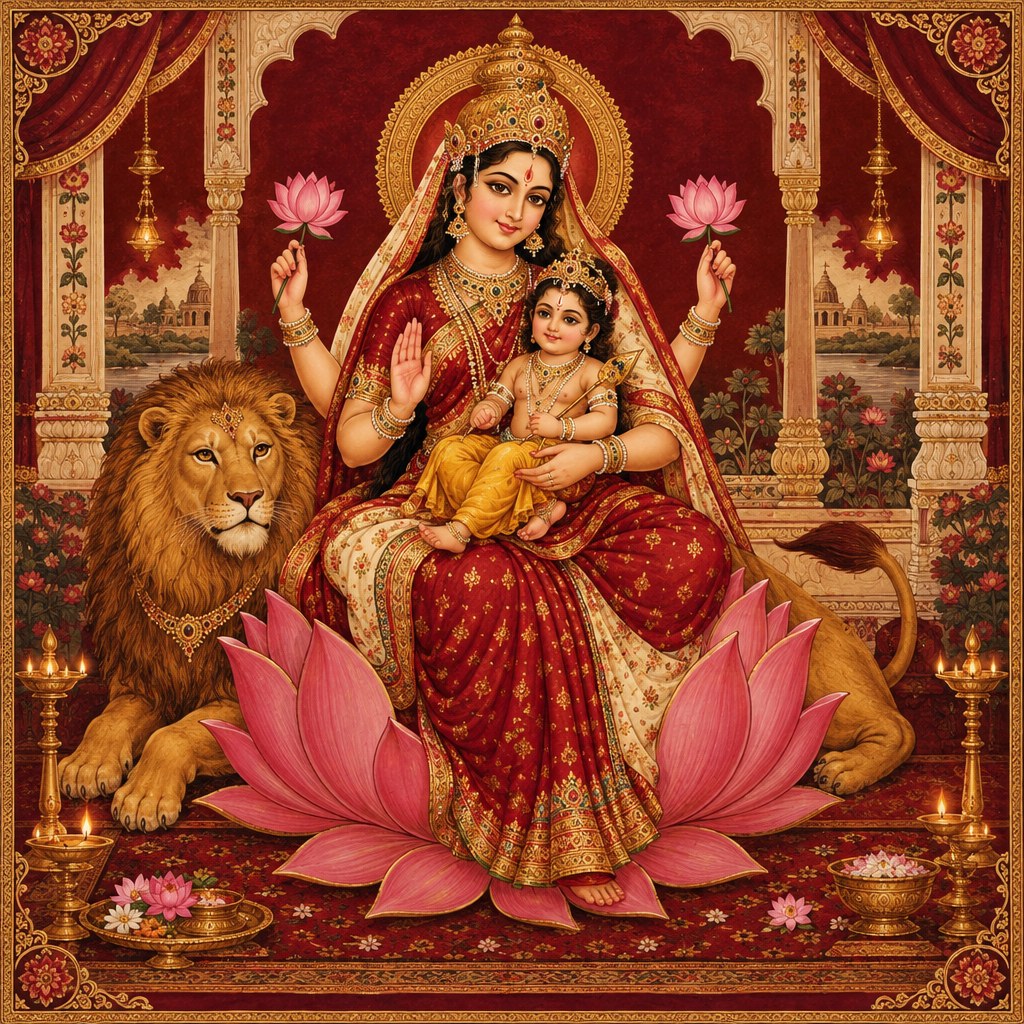
Vasant Panchami 2026 — Devi Saraswati and the Awakening of Spring
Observed on Tuesday, February 3, 2026 | Magha Shukla Panchami
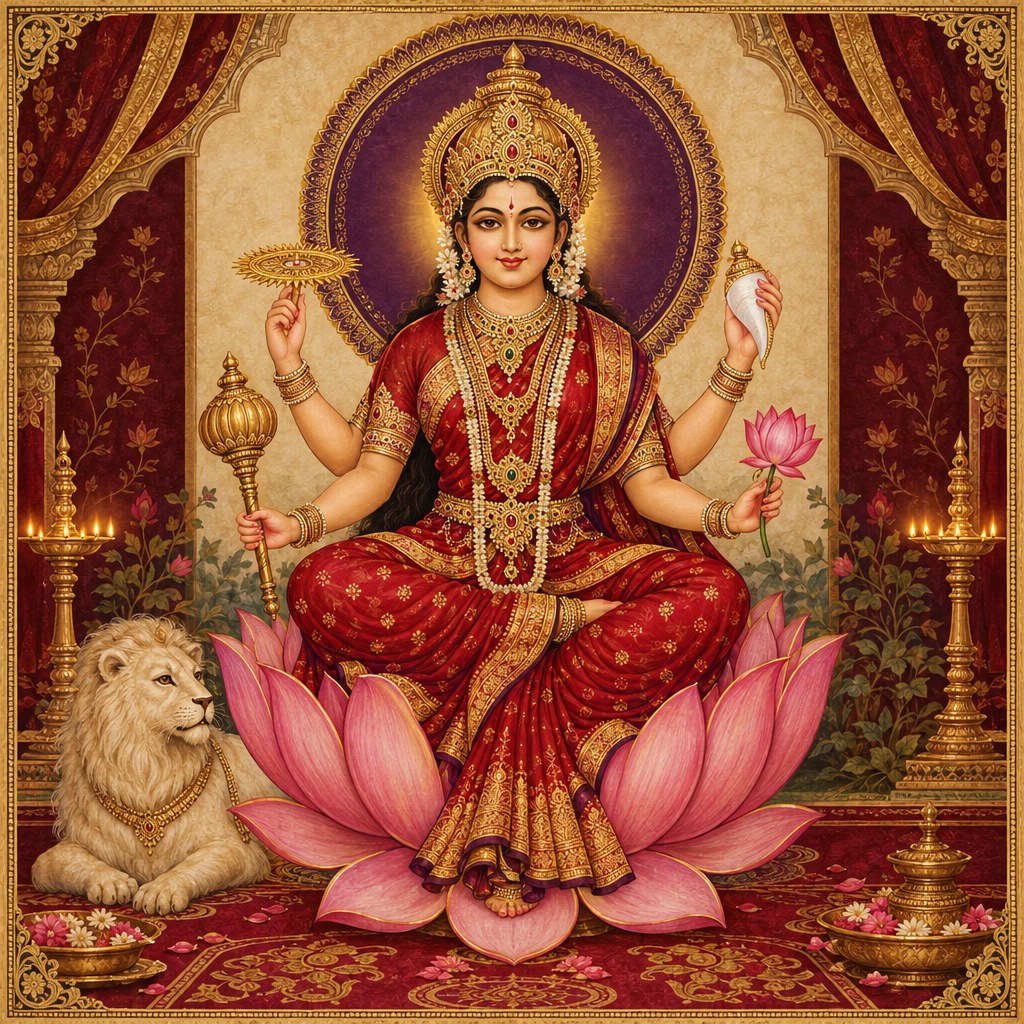
Vasant Panchami is the day Bharata welcomes spring — and with it, the worship of Devi Saraswati, the goddess of knowledge, wisdom, music, and the arts. Falling on Magha Shukla Panchami, this festival marks the moment when winter begins to recede and the earth stirs with new life. Mustard fields burst into golden yellow, the air carries the first warmth of the coming season, and the cuckoo (koyal) begins her song. Nature herself becomes a temple, and Devi Saraswati — dressed in white or yellow, seated upon a white lotus, holding the veena and the Vedas — is its presiding deity.
Vasant Panchami 2026 falls on Tuesday, February 3 — one of the most auspicious days of the entire year for beginning any educational pursuit, performing Saraswati Puja, and celebrating the arts.
Devi Saraswati — The Goddess of Knowledge
Devi Saraswati is one of the Tridevi — along with Devi Lakshmi and Devi Parvati — and is the consort of Bhagavan Brahma, the creator. Her name comes from “Sara” (essence) and “Swa” (self) — She who leads to the essence of self-knowledge. She is also called Vak Devi (goddess of speech), Sharada (the one who dwells in the heart of the wise), and Bharati (the goddess of Bharata, the land of knowledge).
Her iconography is deeply symbolic. The white saree represents sattva guna — purity, truth, and clarity. The veena (lute) represents mastery over the arts and the harmony of knowledge. The pustaka (book) represents the Vedas and all sacred learning. The japa mala represents the meditative pursuit of wisdom. The white lotus on which She sits represents knowledge rooted in reality but untouched by worldly impurities. The swan (hamsa) as Her vahana represents viveka — the power of discernment that separates truth from falsehood, essence from appearance.
How to Observe Vasant Panchami
Saraswati Puja is the central observance. Devotees place an image or murti of Devi Saraswati on the altar, decorated with yellow flowers (marigold, mustard flowers, yellow chrysanthemums). Books, musical instruments, writing tools, and pens are placed at the feet of Devi Saraswati for blessing. Students, artists, musicians, writers, and scholars offer special prayers for wisdom and creative inspiration.
Yellow is the colour of Vasant Panchami — representing the mustard fields, the warmth of spring, and the energy of knowledge. Devotees wear yellow clothes, prepare yellow sweets (kesari halwa, boondi, yellow rice), and decorate their homes with yellow flowers.
Vidyarambham — the initiation of young children into learning — is traditionally performed on Vasant Panchami. The child is made to write their first letters (usually “Om” or the first letters of the alphabet) with the guidance of an elder. This beautiful ceremony marks the formal beginning of the child’s journey of knowledge.
या कुन्देन्दुतुषारहारधवला या शुभ्रवस्त्रावृता
या वीणावरदण्डमण्डितकरा या श्वेतपद्मासना
या ब्रह्माच्युतशंकरप्रभृतिभिर्देवैः सदा पूजिता
सा मां पातु सरस्वती भगवती निःशेषजाड्यापहा“May Devi Saraswati — white as the jasmine, the moon, and the snow, clad in pure white garments, with the veena adorning Her graceful hands, seated on a white lotus, worshipped forever by Brahma, Vishnu, and Shiva — may She protect me and destroy all my ignorance.”
The Arrival of Spring — Ritu Raja Vasant
Vasant Panchami is also a celebration of the arrival of Vasant Ritu — the king of seasons (Ritu Raja). In Indian poetry and tradition, spring is not just a season — it is an emotion. Kalidasa, the greatest poet of the Sanskrit tradition, wrote extensively about the intoxicating beauty of Vasant — the mango trees in blossom, the Ashoka trees in flame, the koyal singing from hidden branches, and the south wind carrying the fragrance of new flowers.
Vasant Panchami reminds us that just as spring awakens the dormant seeds in the earth, the worship of Devi Saraswati awakens the dormant seeds of knowledge, creativity, and wisdom within us. The outer spring is temporary — but the inner spring that Saraswati bestows is eternal.
May Devi Saraswati bless you with the light of knowledge, the gift of eloquence, and the grace of creative inspiration this Vasant Panchami.
Jai Maa Saraswati 🙏🪷
Sanskriti Magazine — Sharing Indian Heritage, Achievements, Practices and Values with the world.