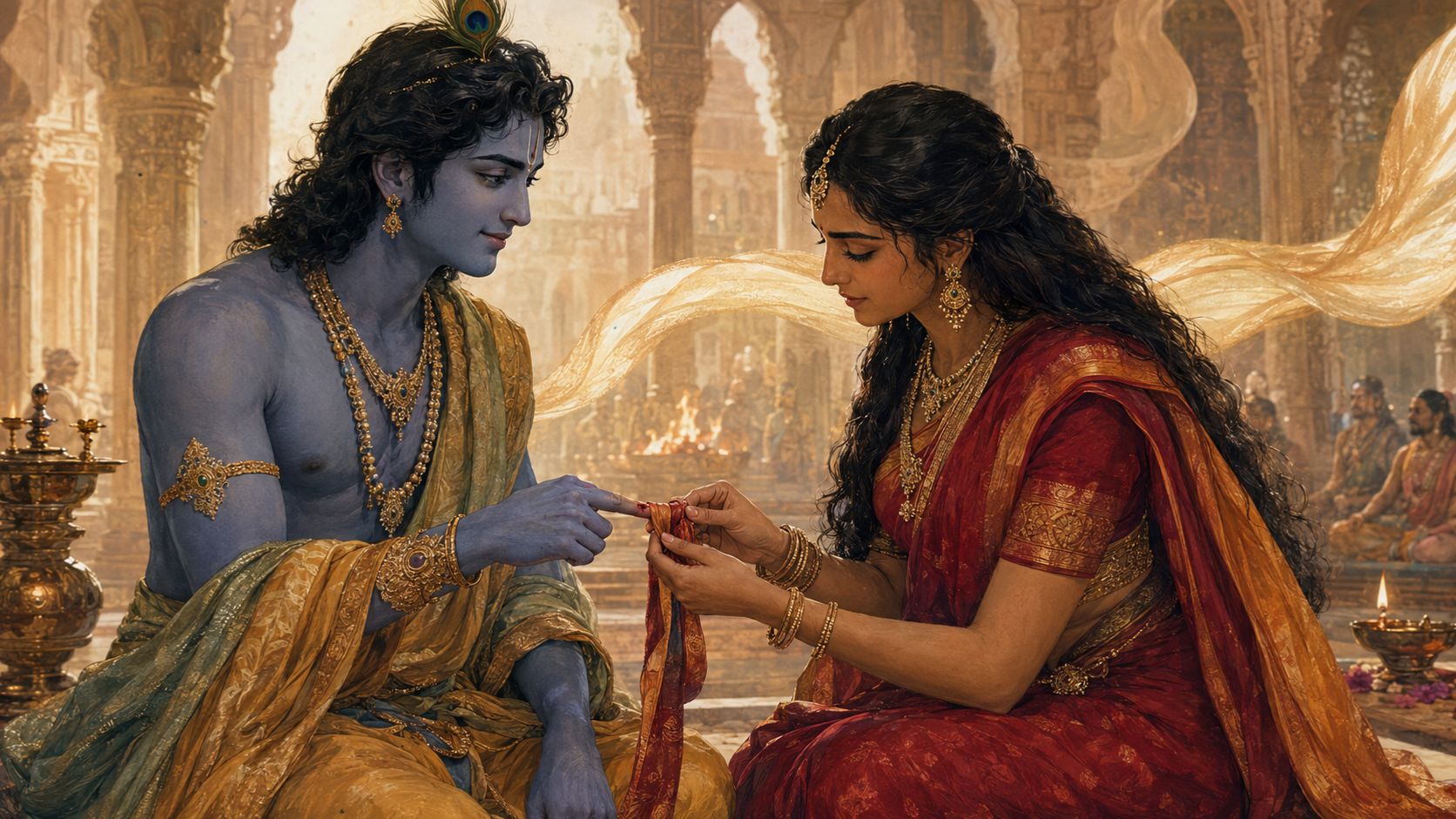
Nirjala Ekadashi 2025 — The Most Austere and Rewarding Vrat
Jyeshtha Shukla Ekadashi — Also Known as Bhima Ekadashi or Pandava Ekadashi
Of the twenty-four Ekadashi vrats observed through the year, Nirjala Ekadashi stands alone in its austerity and its reward. The word “Nirjala” means “without water” — and on this day, devotees observe a complete fast without even a drop of water, from sunrise on Ekadashi to sunrise on Dwadashi. The Shastras declare that the merit of observing this single vrat equals the combined merit of all twenty-four Ekadashis in the year.
The Sacred Story — Bhima’s Vrat
The account of Nirjala Ekadashi, narrated in the Brahma Vaivarta Purana, involves Bhima, the second of the five Pandava brothers. While his brothers and Devi Draupadi observed every Ekadashi with devotion, Bhima — famous for his enormous appetite — found it impossible to fast. His hunger was so great that he could not go without food even for a single day.
Distressed at being unable to observe the Ekadashi vrats, Bhima approached the sage Vyasa Bhagavan for guidance. Maharishi Vyasa, with compassion and wisdom, prescribed a solution: observe one Ekadashi with absolute strictness — not a single morsel of food, not a single drop of water — and the merit of all twenty-four Ekadashis would be earned.
Bhima accepted the challenge and observed the Nirjala Ekadashi on the Shukla Ekadashi of Jyeshtha month. Despite his legendary appetite, he completed the waterless fast with full devotion to Bhagavan Vishnu. The merit he earned was immense — and from that day, this Ekadashi has been known as Bhima Ekadashi or Pandava Ekadashi.
Vrat Vidhi — How to Observe Nirjala Ekadashi
- Dashami evening: Eat a simple, satvik meal. Set your sankalpa for the nirjala vrat.
- Ekadashi day: No food and no water from sunrise to next sunrise. Spend the day in puja, japa, and reading of the Vishnu Sahasranama or Bhagavata Purana.
- Chanting: Recite Om Namo Bhagavate Vasudevaya 108 times or more.
- Night Vigil: Stay awake through the night in devotion — bhajans, kirtan, and meditation on Bhagavan Vishnu.
- Dwadashi Parana: Break the fast at the prescribed parana time with water first, followed by a simple meal. Offer dana to Brahmanas and the needy.
Important: Those with health conditions, the elderly, pregnant women, and children should not observe the waterless fast. A phalahari (fruit and milk) fast with devotion is equally honoured by Bhagavan Vishnu. The intention matters more than the austerity.
The Spiritual Teaching
Nirjala Ekadashi teaches the deepest lesson of all vrats: that the body can be mastered, that the senses can be stilled, and that when the noise of hunger and thirst falls silent, the voice of the Divine becomes audible. It is, for one day, a complete surrender of the body’s demands to the Atma’s aspiration.
May Bhagavan Vishnu’s grace sustain all who observe this sacred vrat and carry them closer to the light of Moksha.
Om Namo Bhagavate Vasudevaya 🙏
Sanskriti Magazine — Sharing Indian Heritage, Achievements, Practices and Values with the world.