The Sacred Rivers of Bharata — A Spiritual Geography
The Sapta Sindhu and the Living Veins of Dharma
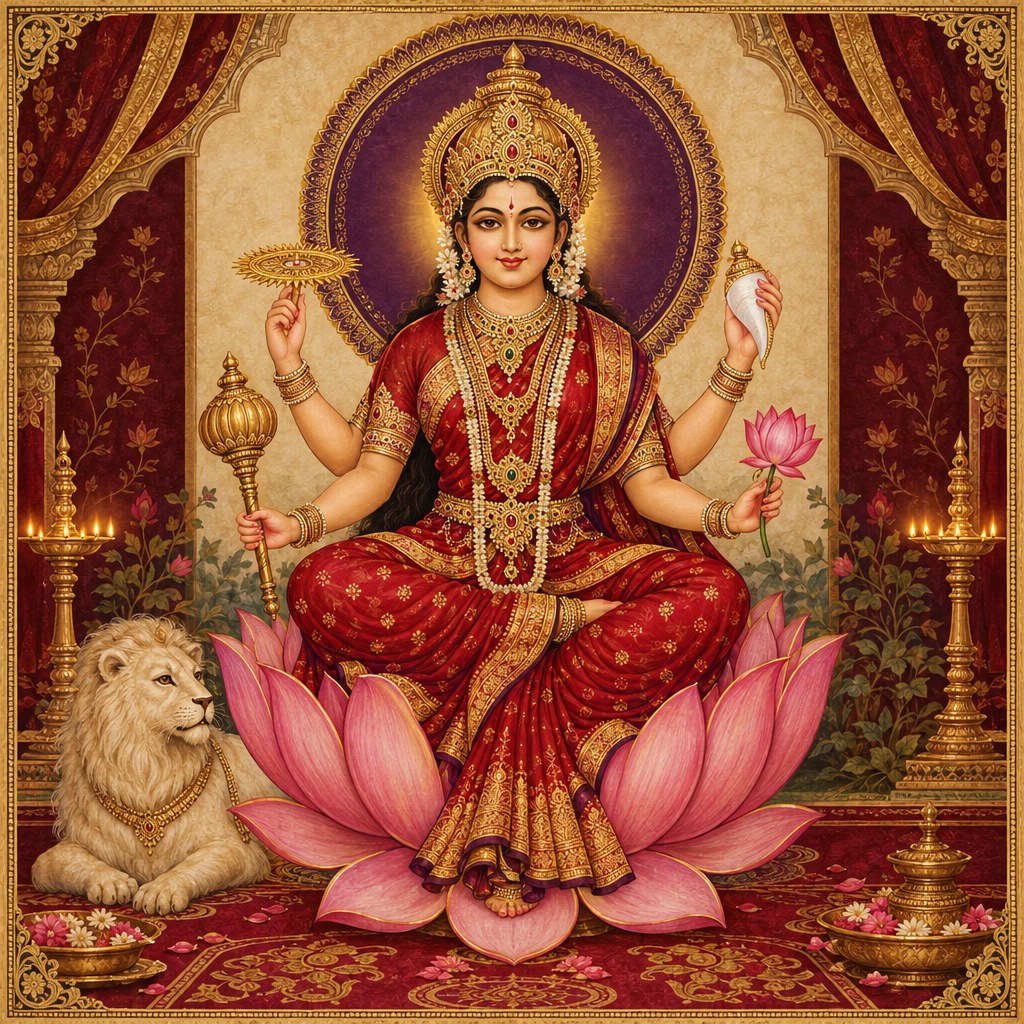
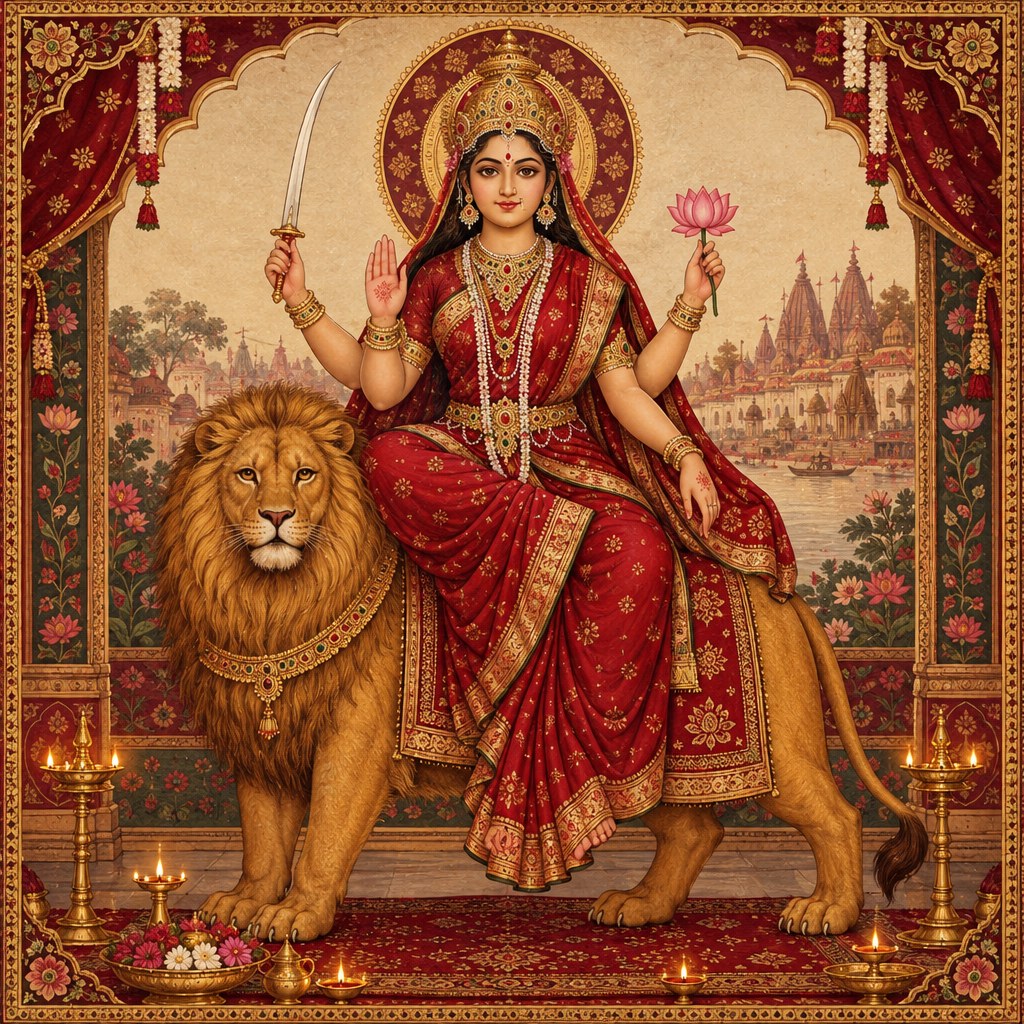
In Sanatana Dharma, rivers are not merely geographical features. They are living Devis — manifestations of divine grace flowing through the body of Bharata, purifying the land, nourishing the people, and carrying the accumulated prayers of countless generations to the ocean of the infinite. The tradition of Sapta Sindhu — the seven sacred rivers — is as old as the Rig Veda itself, and the practice of river worship remains one of the most enduring features of Hindu civilisation.
The Seven Sacred Rivers
The traditional invocation recited during every sacred bath names the seven rivers:
गंगे च यमुने चैव गोदावरी सरस्वती ।
नर्मदे सिन्धु कावेरी जलेऽस्मिन् सन्निधिं कुरु ॥Gange cha Yamune chaiva Godavari Saraswati
Narmade Sindhu Kaveri jalesmin sannidhim kuru“O Ganga, Yamuna, Godavari, Saraswati, Narmada, Sindhu, and Kaveri — be present in these waters.”
Maa Ganga
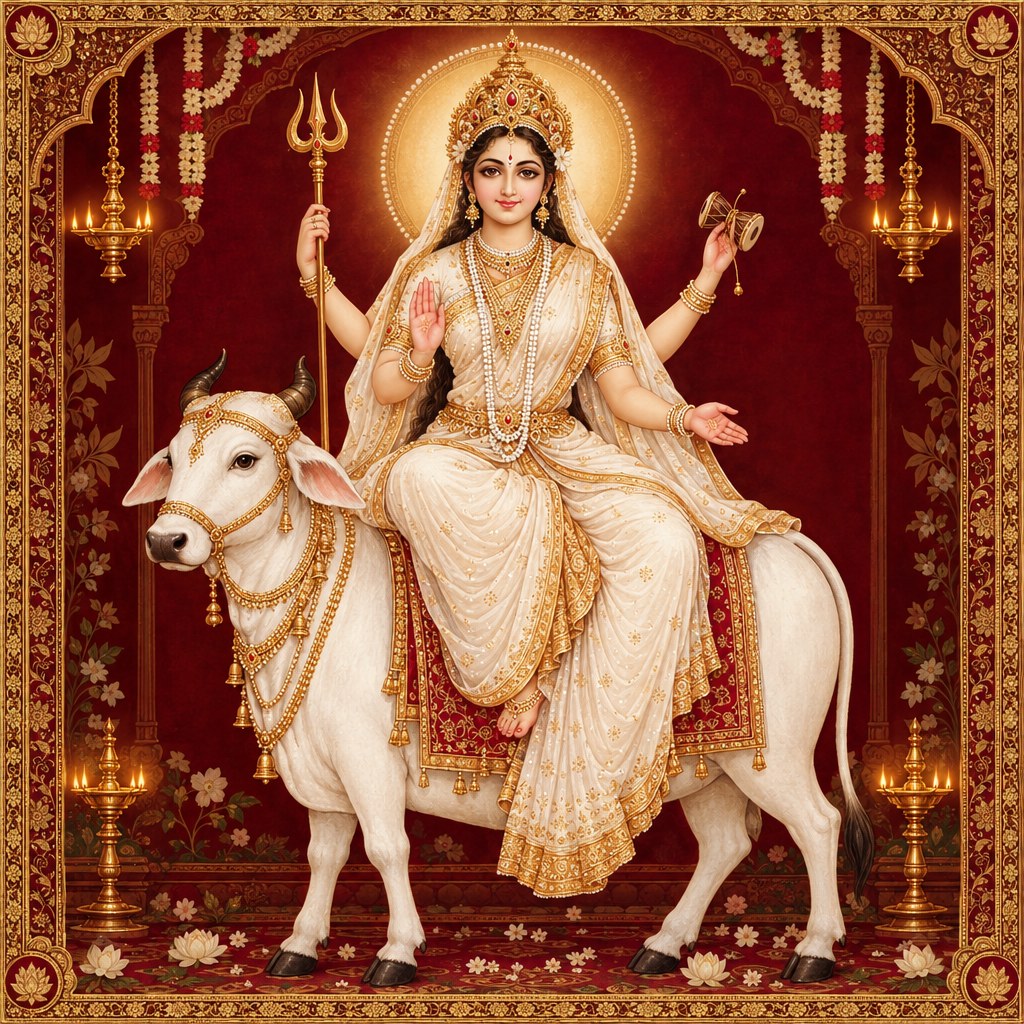
The most sacred of all rivers, Maa Ganga descended from Swarga through the tapasya of King Bhagiratha and the grace of Bhagavan Shiva, who received Her in His matted locks. She flows from Gangotri in the Himalayas to the Bay of Bengal, passing through Haridwar, Prayagraj, Kashi, and countless sacred tirthas. A single dip in the Ganga is said to purify the karmic residue of lifetimes.
Yamuna
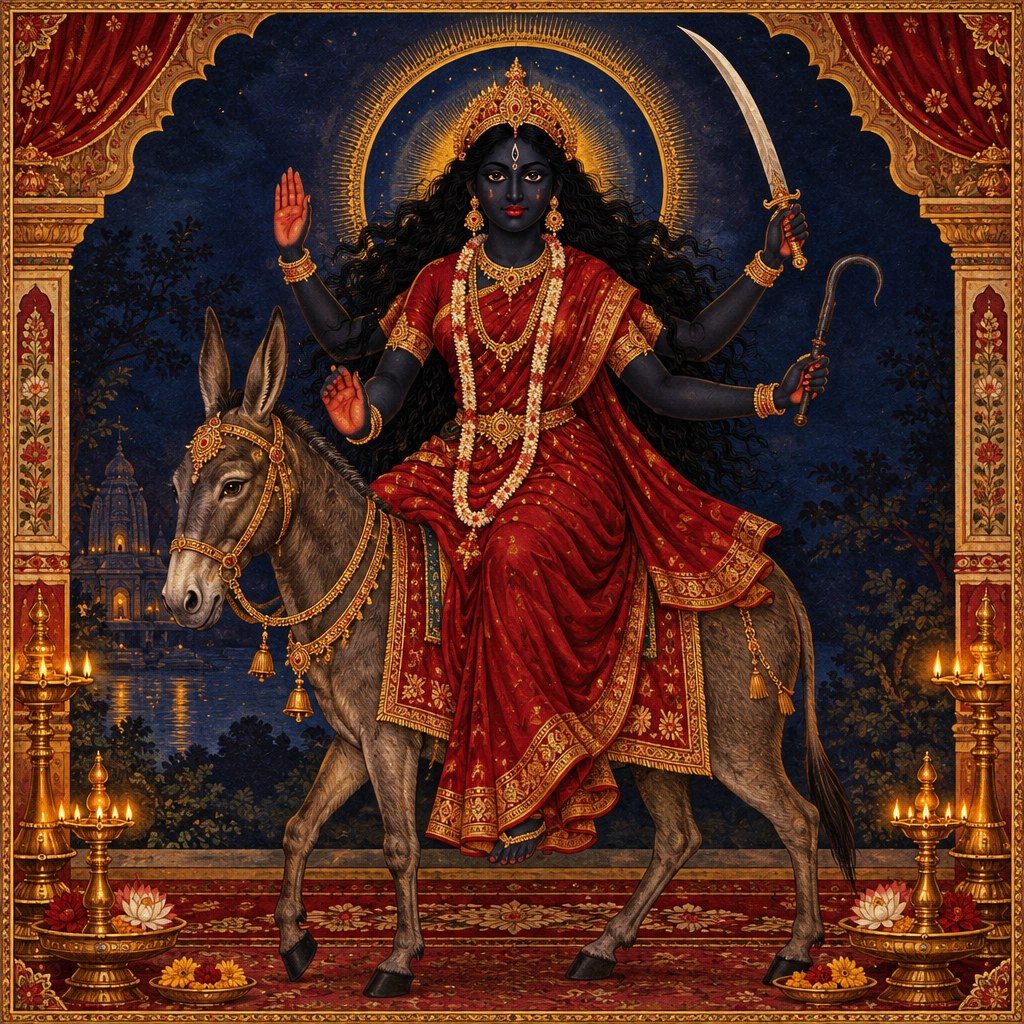
The daughter of Surya and sister of Yama, Devi Yamuna flows through the land of Braj — the playground of Bhagavan Krishna. Her banks at Vrindavan and Mathura are among the holiest pilgrimage sites in all of Hinduism. The confluence of Ganga, Yamuna, and the invisible Saraswati at Prayagraj (Triveni Sangam) is considered the most auspicious tirtha on earth.
Saraswati
The great river of the Vedic age, Devi Saraswati once flowed from the Himalayas to the Arabian Sea. Though she disappeared underground millennia ago, her spiritual presence endures. Satellite imagery has confirmed the ancient riverbed, and the Saraswati remains eternally present at every sacred confluence.
Godavari
Known as the Dakshin Ganga (Ganga of the South), the Godavari originates at Trimbakeshwar near Nashik and flows 1,465 km through Maharashtra, Telangana, and Andhra Pradesh. She is associated with Rishi Gautama, and the Pushkaram festival celebrated every twelve years on her banks draws millions.
Narmada
The Narmada is unique among sacred rivers: she is worshipped not only for bathing but for Parikrama — circumambulation. The Narmada Parikrama, a 2,600 km walk along both banks of the river, is one of the greatest pilgrimages in Hinduism. Every stone in the Narmada is considered a natural Shiva Linga.
Sindhu (Indus)
The great river from which the name “Hindu” and “India” derive, the Sindhu was the cradle of the Vedic civilisation. Though much of her course now lies in Pakistan, the Sindhu remains eternally present in the sacred invocation and in the memory of Dharma.
Kaveri
The Kaveri is the sacred river of the deep South, originating at Talakaveri in Coorg (Karnataka) and flowing through Tamil Nadu to the Bay of Bengal. Known as the Dakshina Vaigai, she nourishes the temple towns of Srirangam, Thanjavur, and Kumbakonam — the heart of South Indian Dharmic culture.
The Living Tradition of River Worship
The worship of rivers in Sanatana Dharma is not superstition — it is an expression of one of the deepest insights of Vedic ecology: that water is sacred, that rivers are the veins of the earth, and that to pollute them is to wound the body of the Divine. The modern movement for river conservation in India is, in many ways, a continuation of this ancient Dharmic understanding.
On every sacred occasion — from birth to death, from Sankranti to Purnima — Hindus turn to the rivers for purification, blessing, and renewal. This is not mere tradition. It is the living pulse of a civilisation that has always understood what the modern world is only beginning to learn: that water is life, and life is sacred.
Om Namo Gangayai 🙏
Sanskriti Magazine — Sharing Indian Heritage, Achievements, Practices and Values with the world.