Chhath Puja is one of the most revered festivals, especially in Bihar, Jharkhand, and Uttar Pradesh. This ancient Vedic festival dedicated to the Sun God (Surya) and Chhathi Maiya symbolizes gratitude, purity, and devotion. It is unique for its strict rituals and the faith of devotees who perform it for the well-being of their family and community.
Significance of Chhath Puja
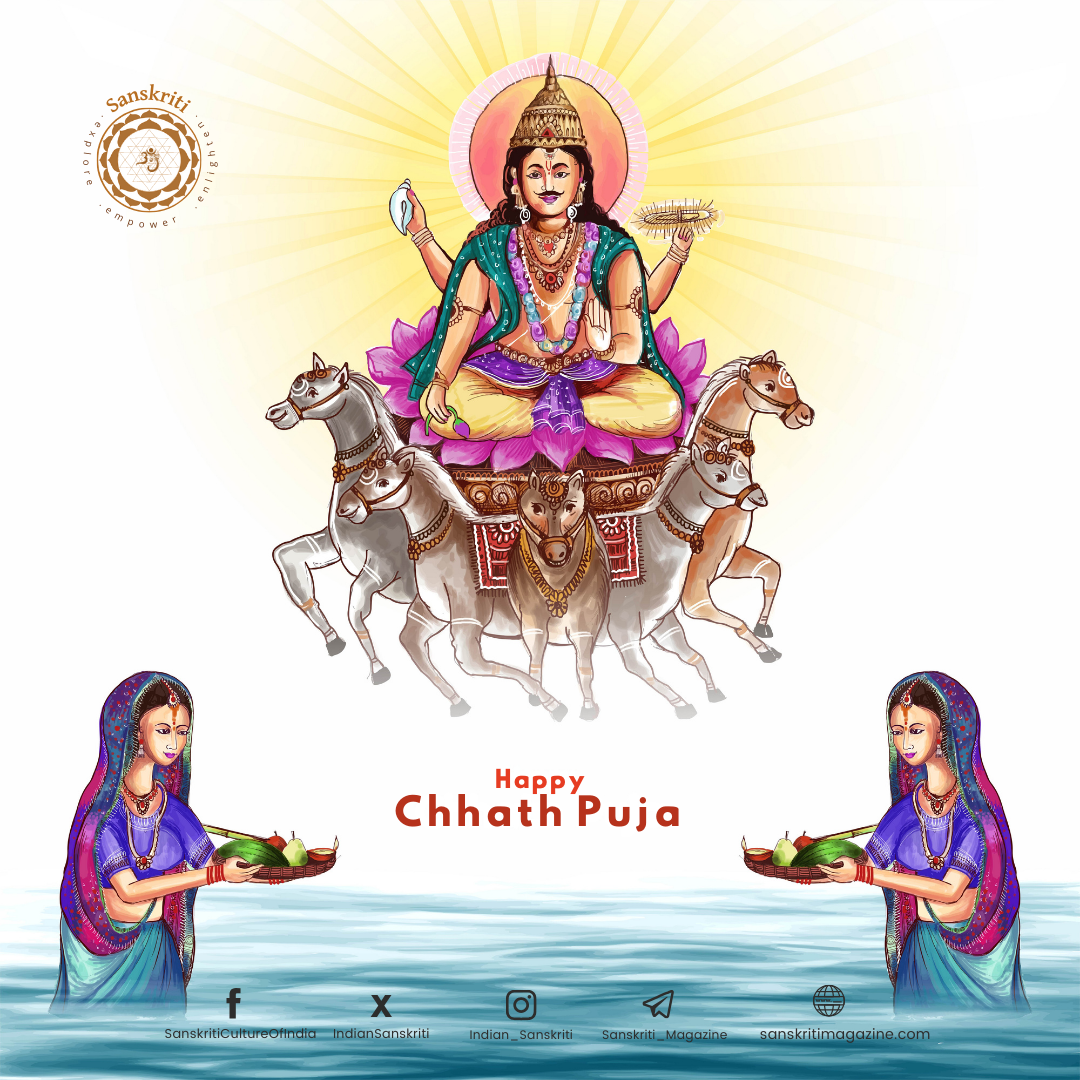
The primary focus of Chhath Puja is to worship the Sun God, who is considered the sustainer of life. Devotees believe that the energy of the Sun helps in healing ailments and ensures prosperity. Chhathi Maiya, the sister of the Sun God, is also honored for nurturing and protecting the family and children.
The Four-Day Rituals
Chhath Puja spans four days, each day holding unique rituals:
-
- Nahay Khay (First Day) The first day marks the beginning of the purification process. Devotees take a dip in the holy river and bring home water for cooking prasad (sacred food). The meal is simple and vegetarian, focusing on purity.
-
- Lohanda and Kharna (Second Day) Devotees fast throughout the day without water, breaking their fast in the evening with offerings of kheer (rice pudding), roti, and fruits. This is followed by a 36-hour nirjala fast (without water).
-
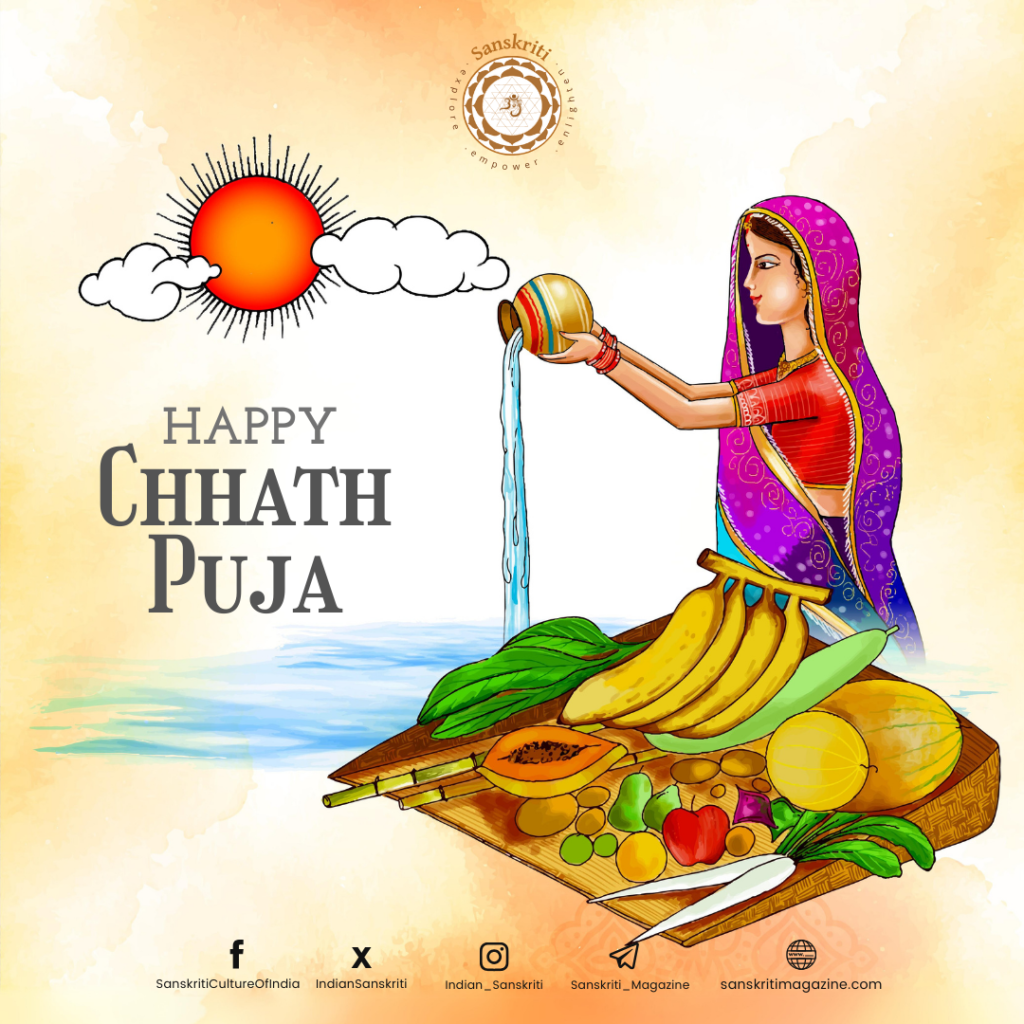
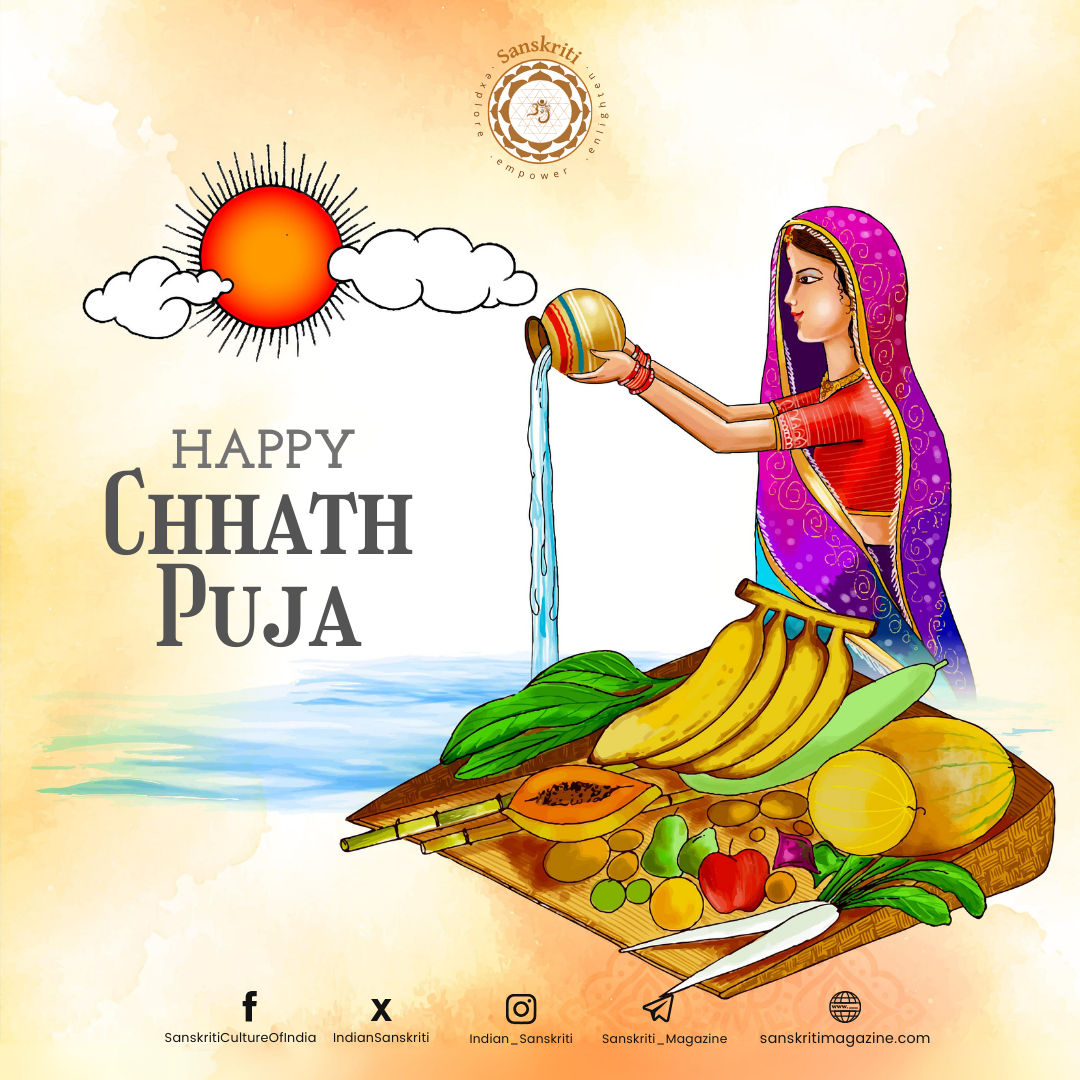
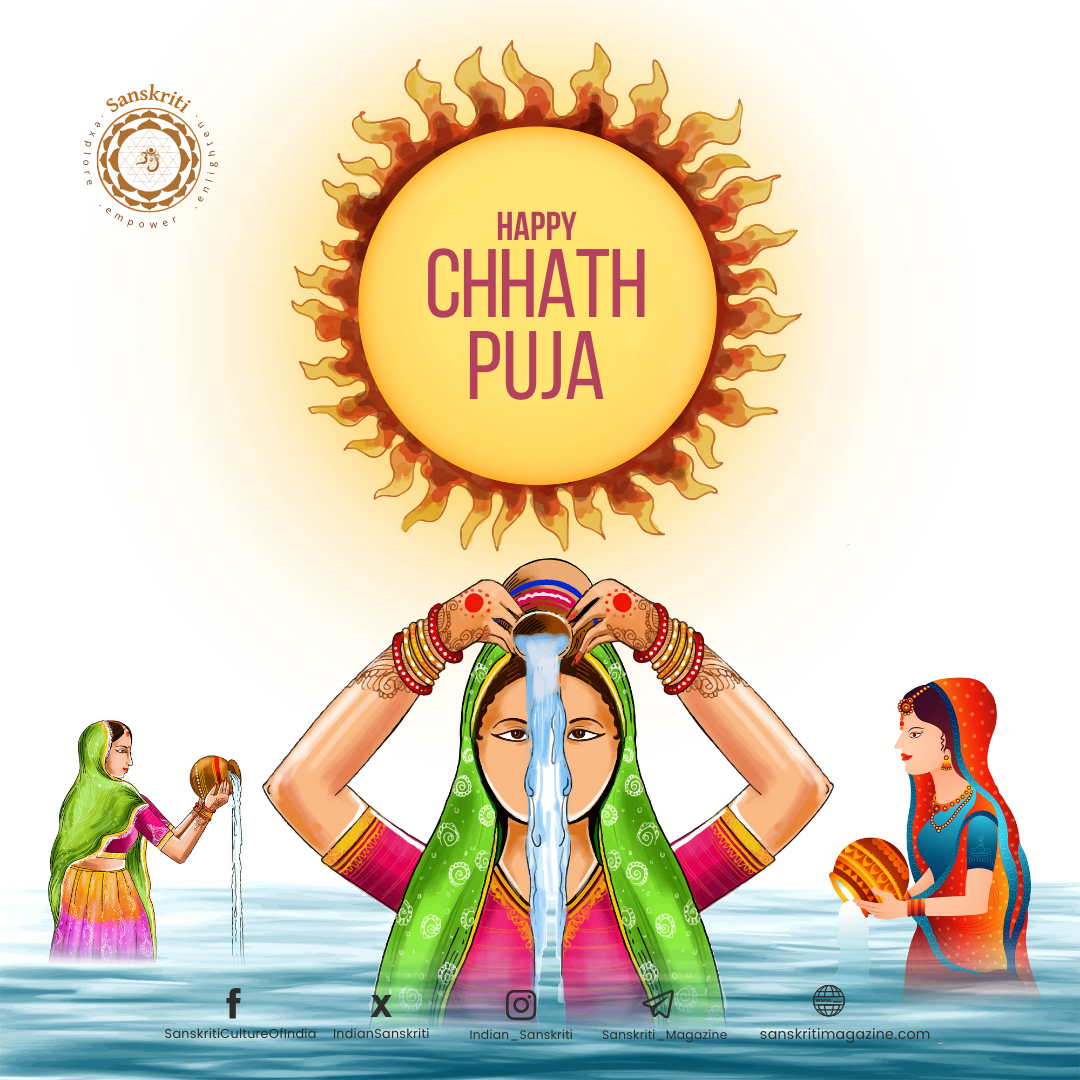
- Sandhya Arghya (Third Day) Devotees gather at riverbanks or ponds in the evening to offer ‘Arghya’ (a ritual of offering water) to the setting Sun. This ritual is marked by songs, prayers, and a mesmerizing display of devotion.
-
- Usha Arghya (Fourth Day) The final morning ritual is offering prayers to the rising Sun. Devotees conclude their fast after this arghya, symbolizing gratitude and the completion of the Chhath Puja.
Rituals and Offerings
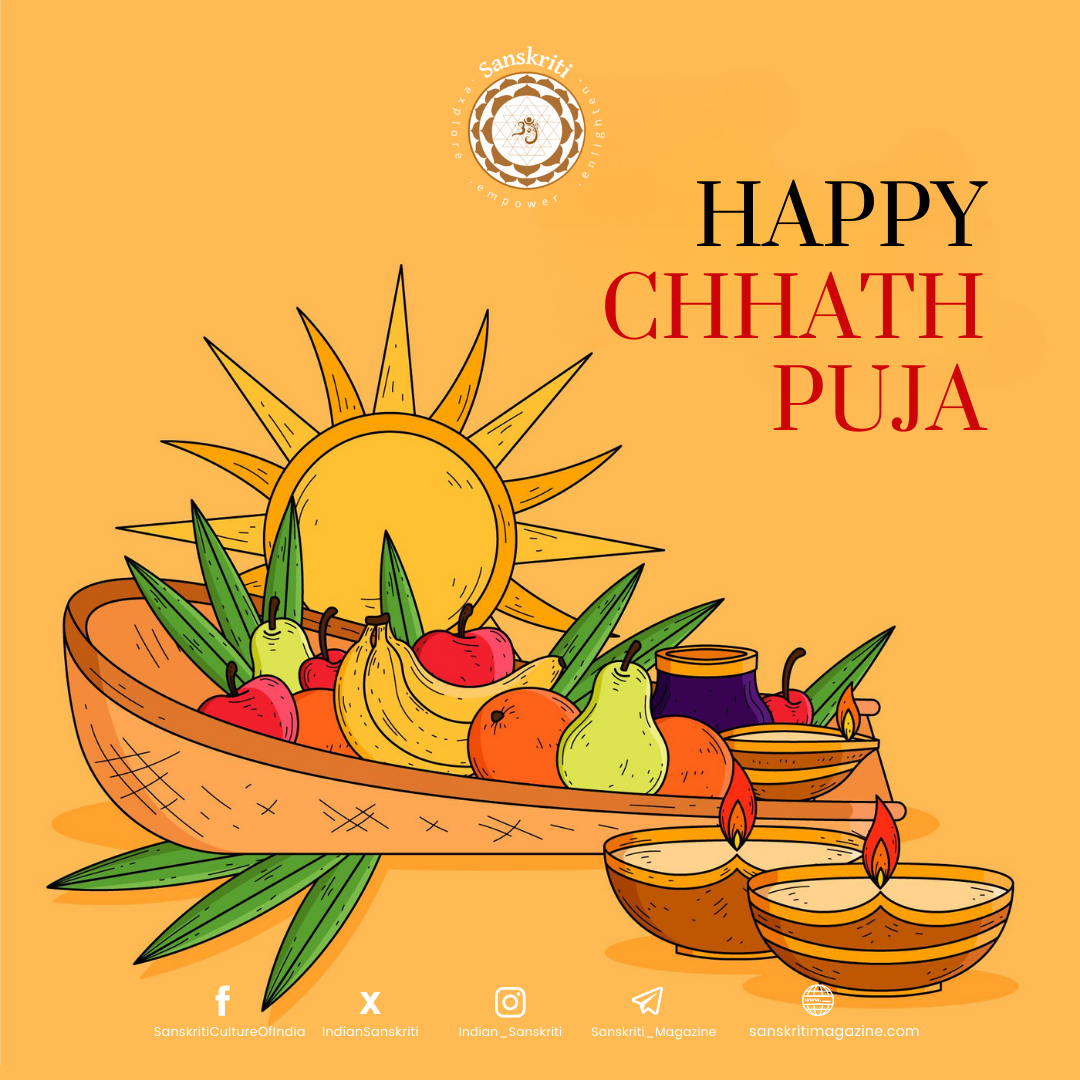
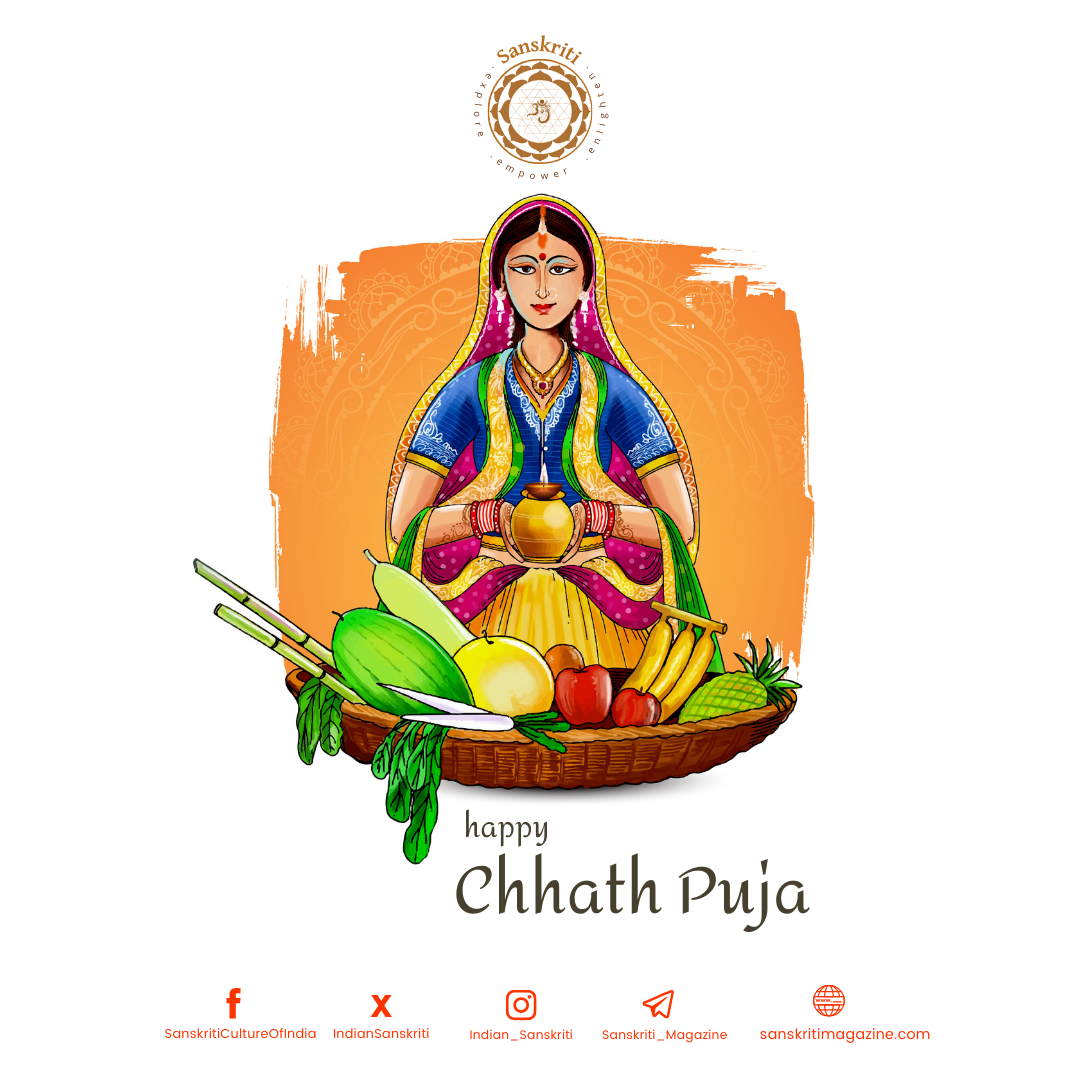
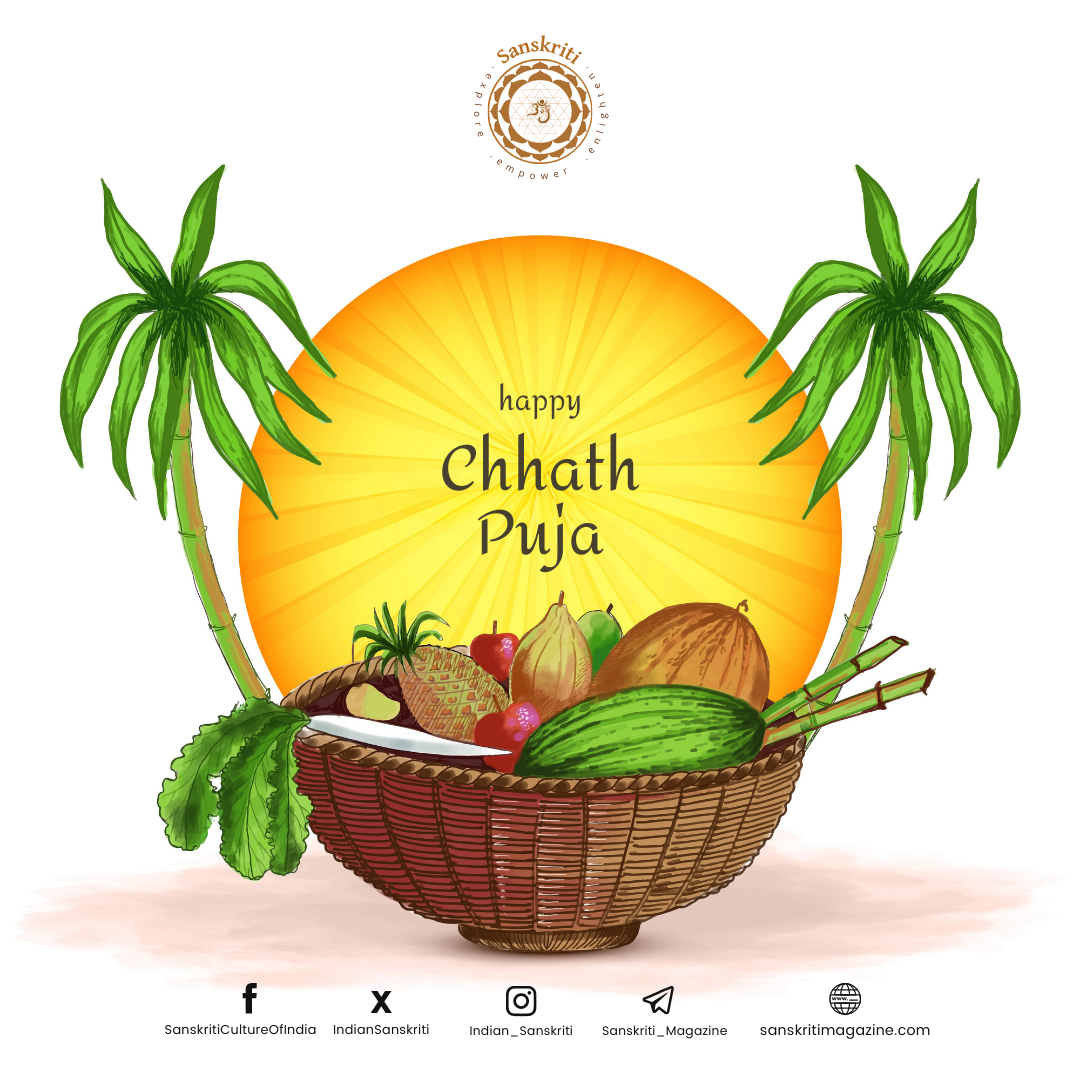
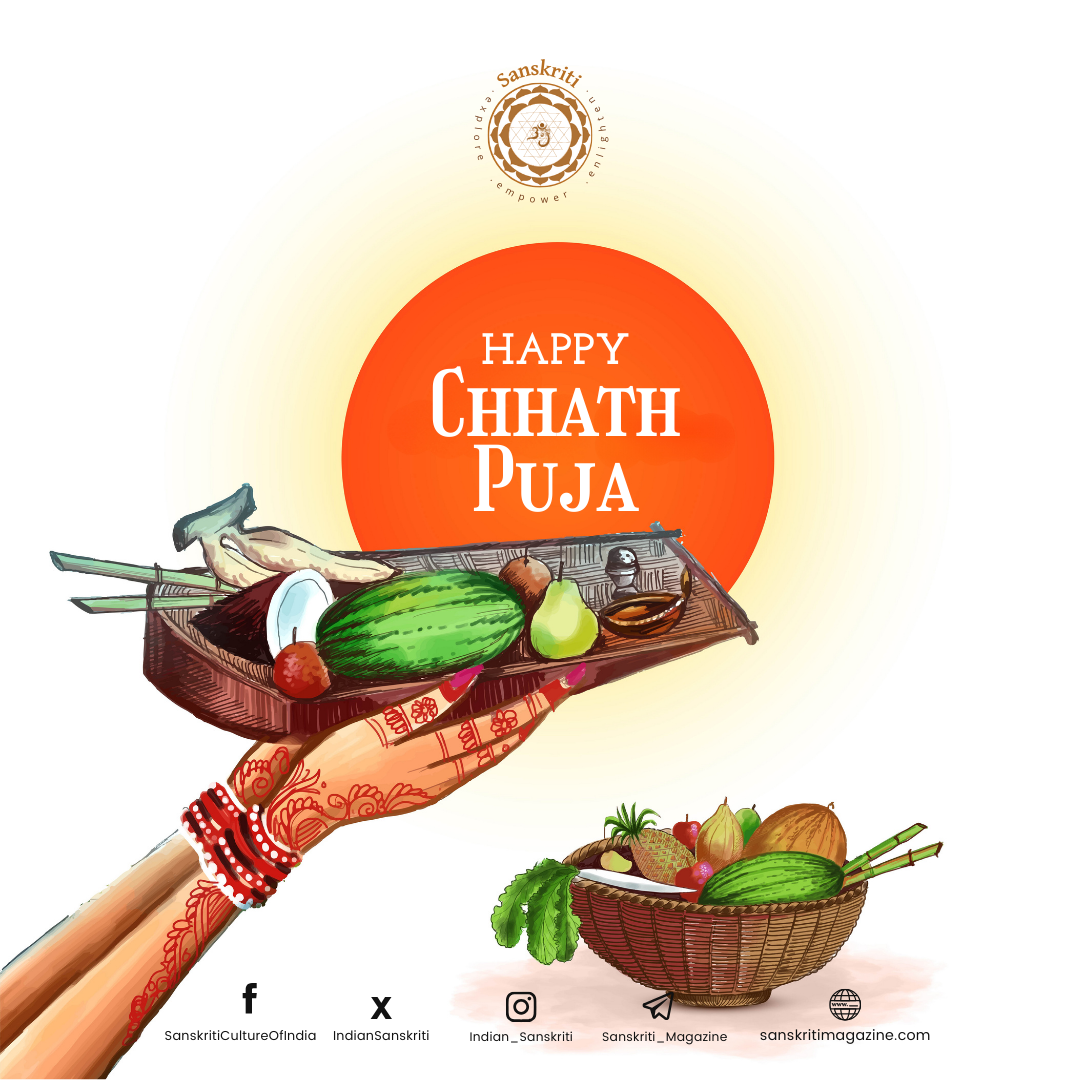
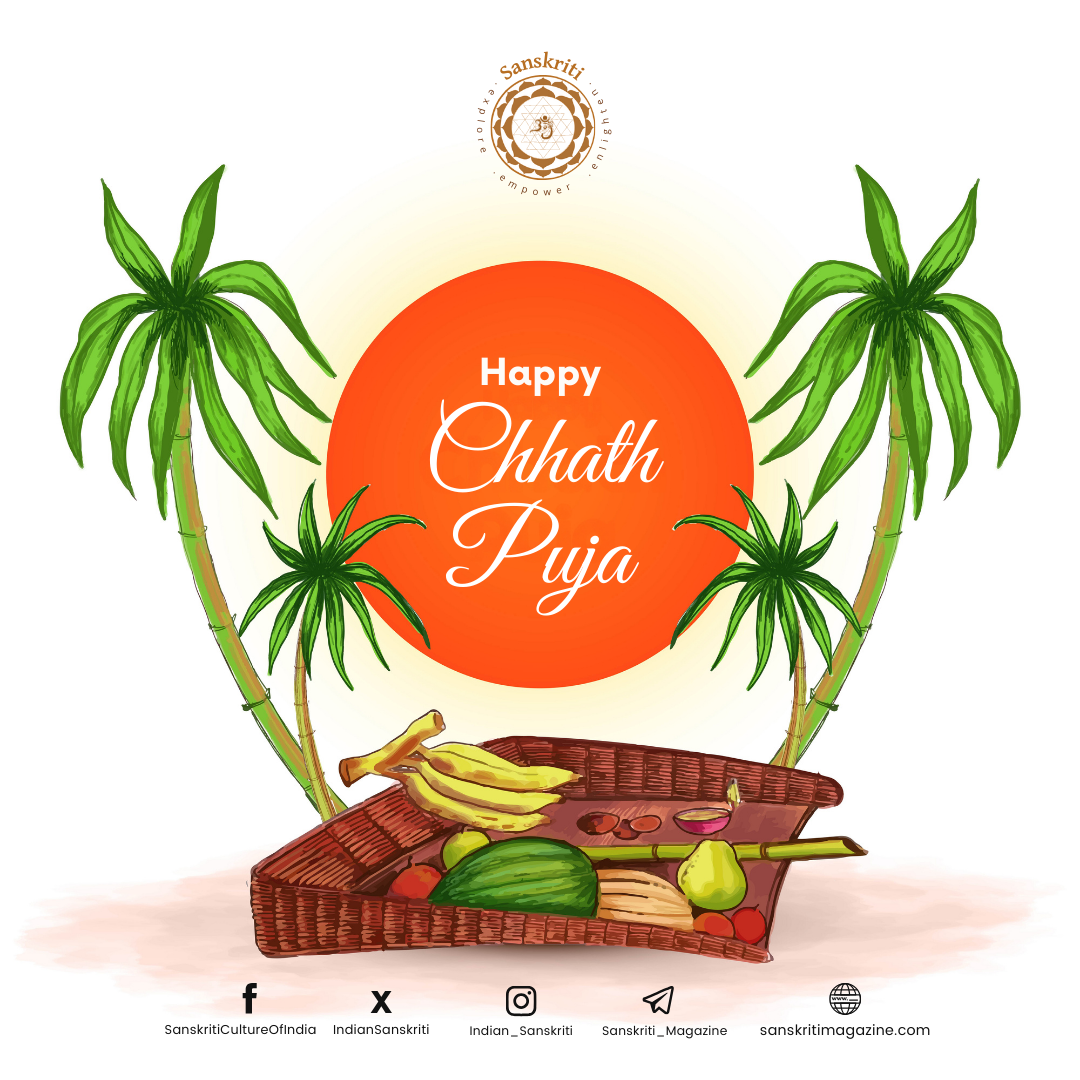
Chhath Puja is characterized by rigorous rituals that involve offering fruits, sweets, and other items in bamboo baskets. Devotees usually prepare Thekua, a special sweet made with wheat flour, ghee, and jaggery. This is offered to the Sun God along with other seasonal fruits like bananas and coconuts.
Devotional Spirit
During Chhath Puja, the sense of community and devotion is palpable. Songs dedicated to Chhathi Maiya and the Sun God resonate across ghats, evoking a deep sense of spirituality. Women and men alike participate, dressed in traditional attire, singing folk songs, and preparing for the arghya.
Cultural Significance and Social Bonding
Chhath Puja is not just a religious festival but a time for family bonding and community participation. The festival sees a remarkable display of solidarity as entire communities come together to support each other in the rituals, sharing food, spaces, and responsibilities.
Download Chhath Puja Images
To celebrate and share the joy of Chhath Puja with your loved ones, download these specially curated Chhath Puja images:
Share these beautiful images to spread the essence of Chhath Puja among friends and family!


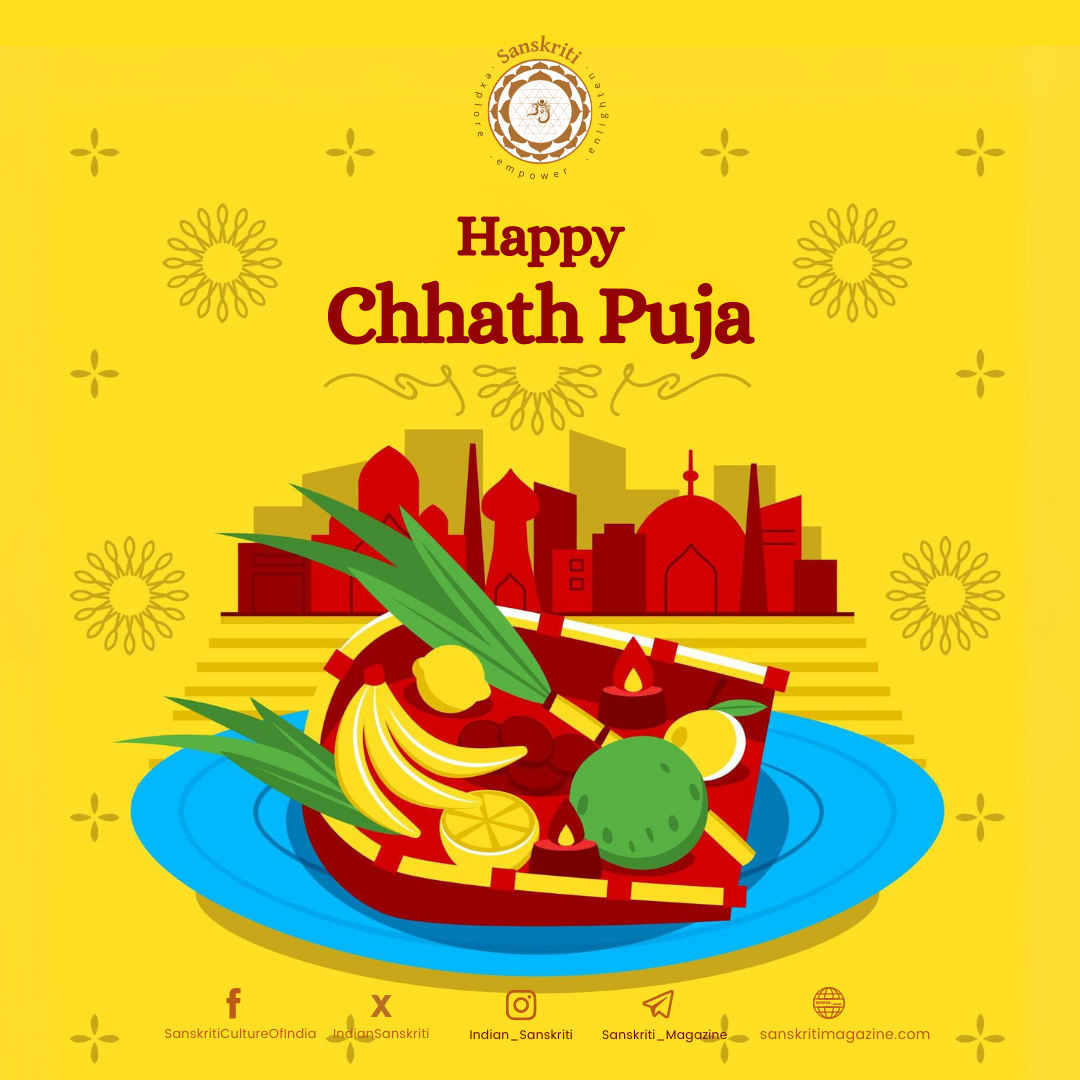
Chhath Puja is a celebration of unwavering faith, discipline, and gratitude towards the Sun God and Chhathi Maiya. It embodies the true spirit of devotion and unity. May this Chhath Puja bring peace, health, and prosperity to you and your loved ones.
Wishing everyone a blessed and joyful Chhath Puja! Share this with your family and friends to spread the festive joy. #ChhathPuja #Devotion #SanskritiCulture