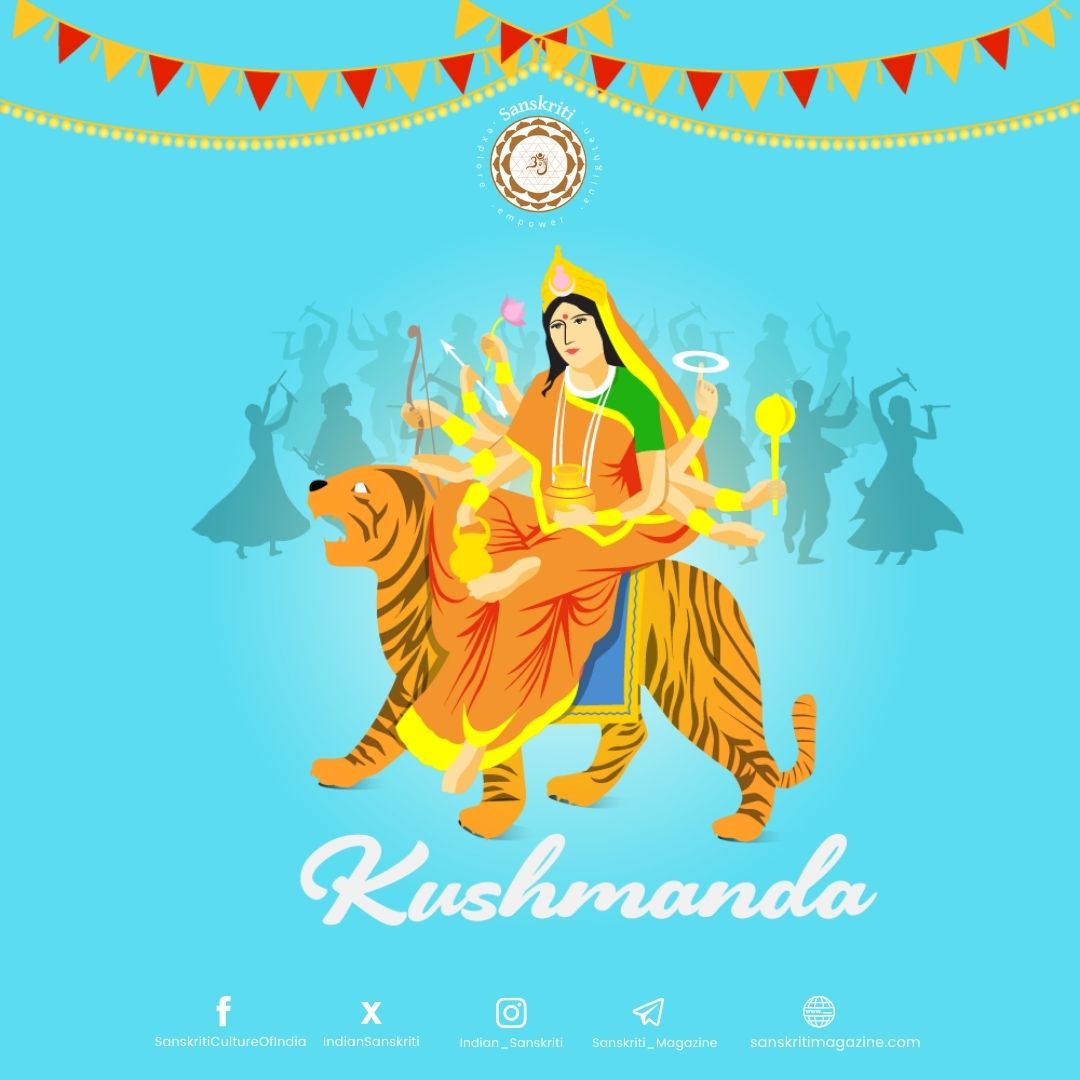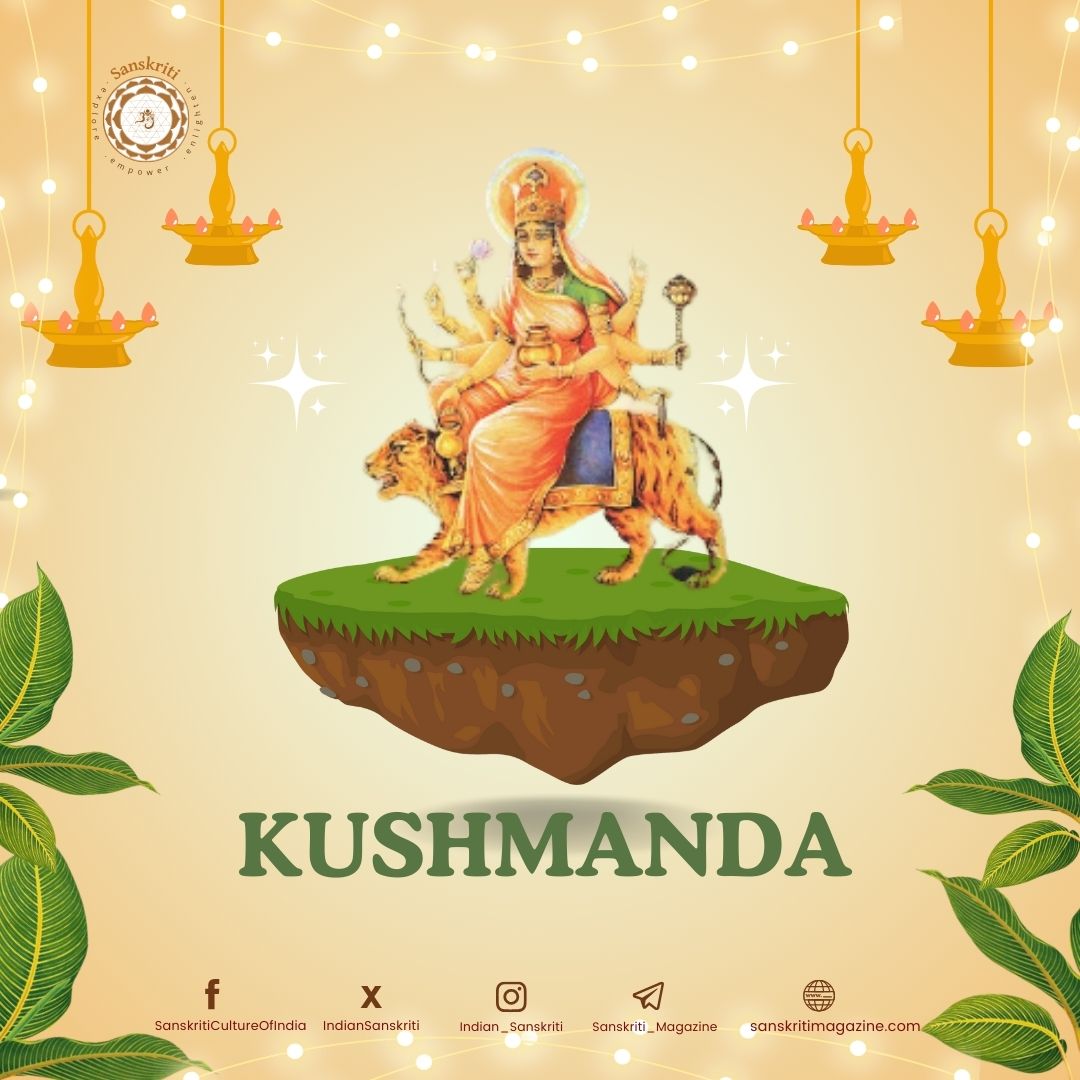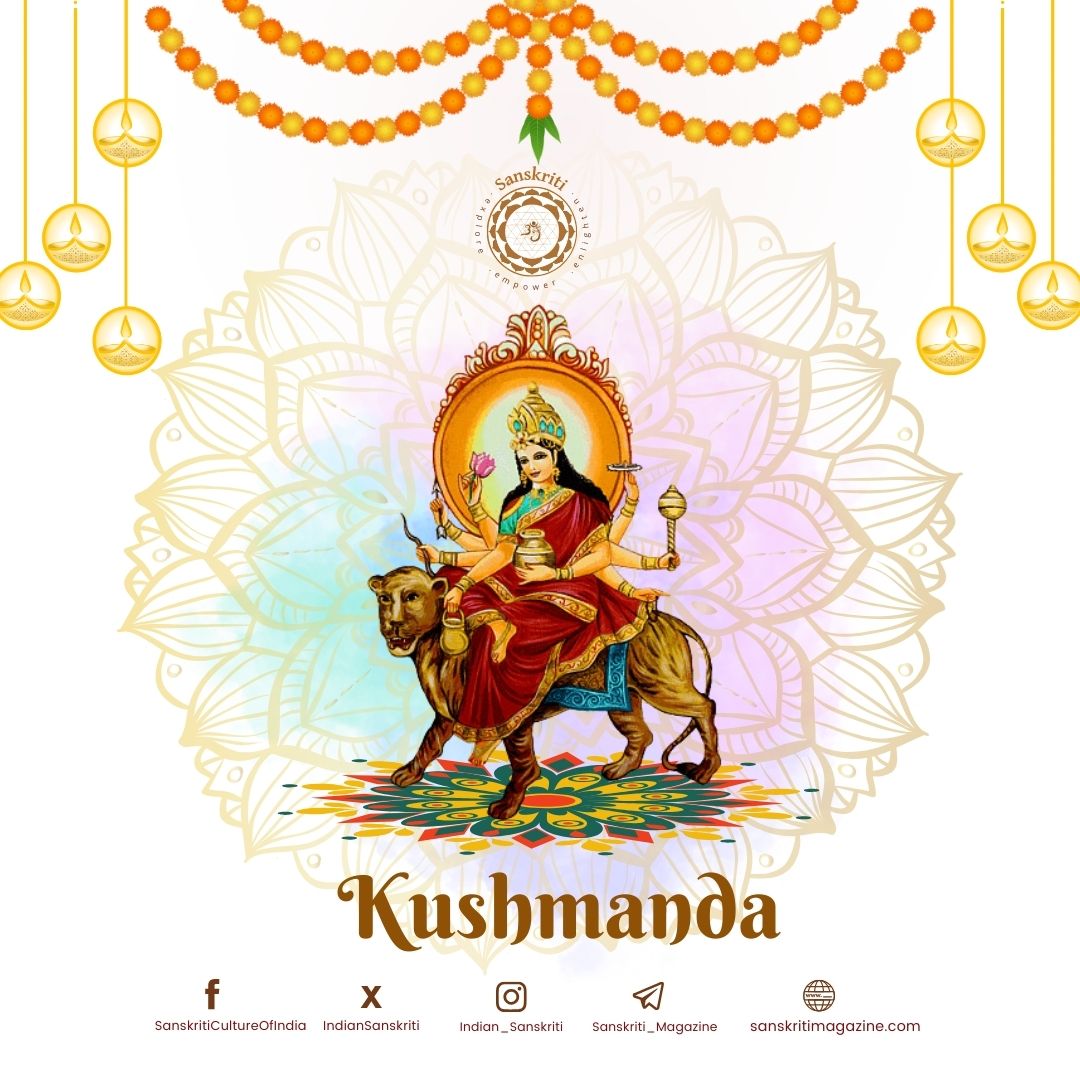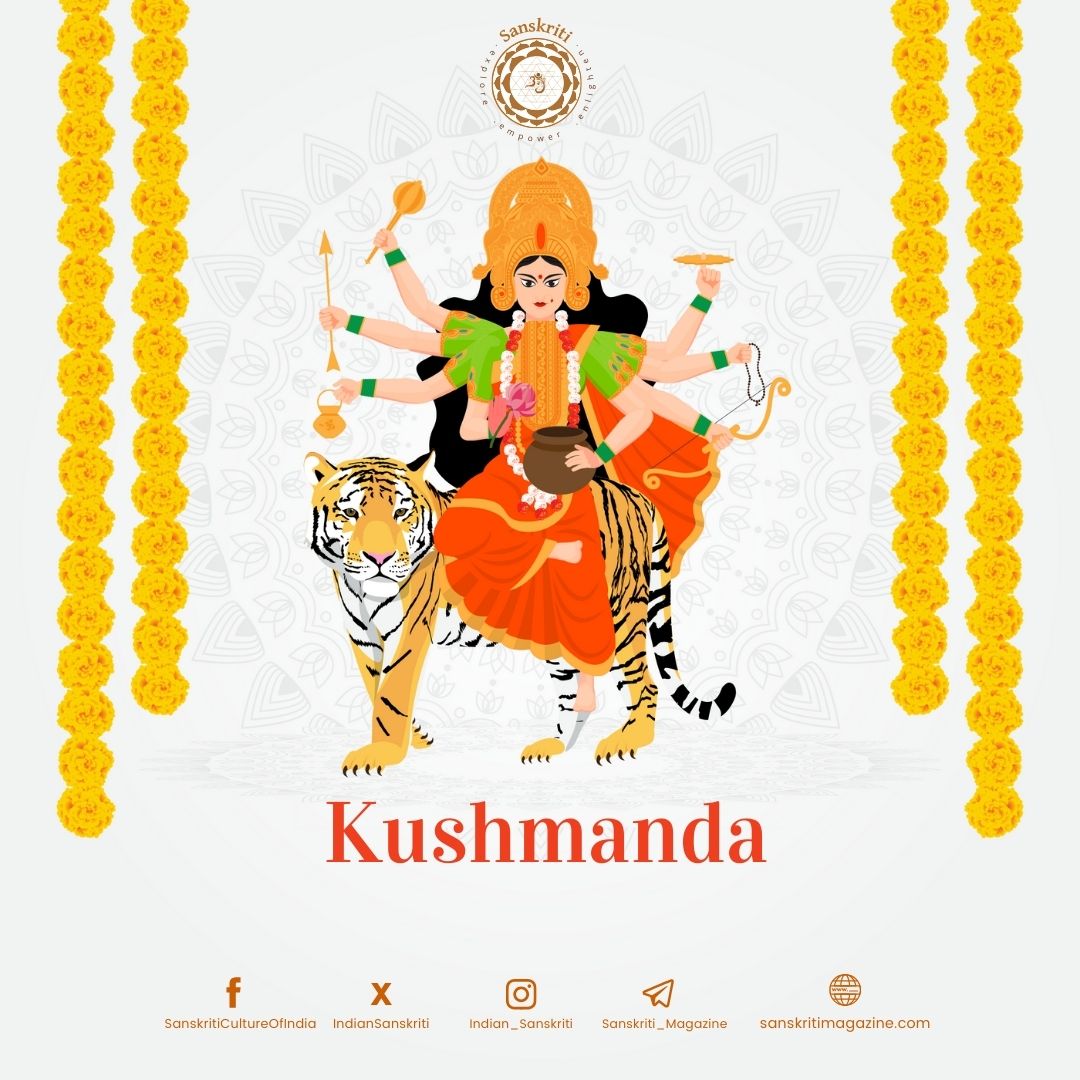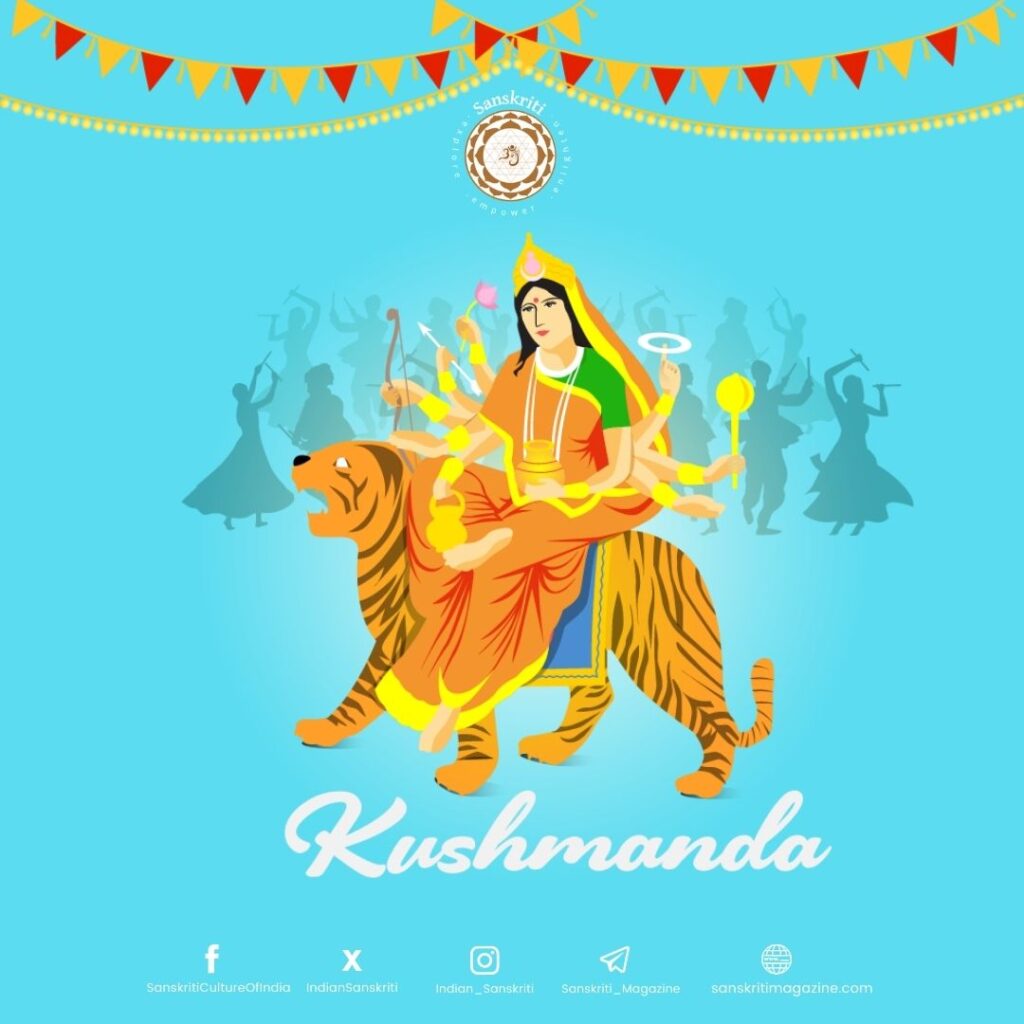
Navratri’s fourth day is dedicated to Goddess Kushmanda, who is considered the creator of the universe. Her name, “Kushmanda,” is derived from three words: “Ku” (little), “Ushma” (energy), and “Anda” (egg), which signifies the cosmic egg. It is believed that she has the power to live inside the sun, thereby providing warmth and energy to all living beings.
Significance of Day 4: Goddess Kushmanda symbolizes creativity, vitality, and light. She is the embodiment of health, brightness, and strength. Worshipping her helps devotees to eliminate darkness from their lives and invoke light and positivity. She also symbolizes the power to foster new creations and bring prosperity.
Spiritual Aspect: Kushmanda is associated with the Anahata Chakra, also known as the Heart Chakra. Worshipping her helps open up the heart to unconditional love, compassion, and kindness. It allows devotees to be more open to giving and receiving love and to find contentment within.
Rituals of the Day:
- The fourth day begins with Kalash Puja, followed by invoking the presence of Goddess Kushmanda.
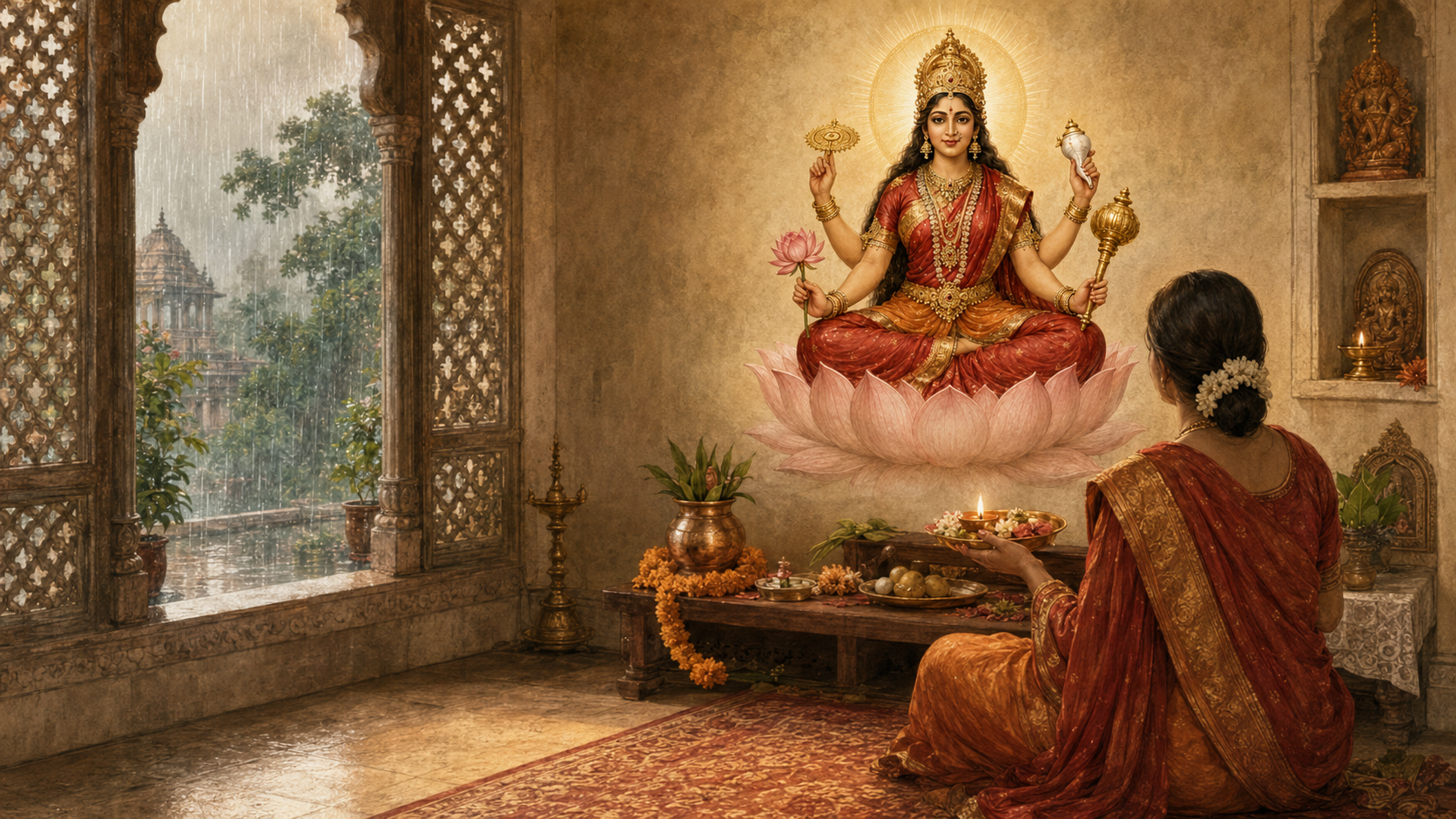
- Devotees offer her yellow flowers, halwa, and curd. Offering pumpkins as a vegetable or prasad is considered auspicious, as she is believed to have a special affinity with pumpkins.
- Fasting is common on this day, and many follow a sattvic diet of fruits, milk, and simple foods.
- Chanting the Durga Saptashati and reciting the Kushmanda mantra is essential, invoking her blessings for prosperity, wisdom, and strength.
Color of the Day: Green The color for Day 4 is Green, representing growth, abundance, and harmony. Wearing green is believed to attract new opportunities, enhance prosperity, and symbolize the nurturing aspect of Goddess Kushmanda.
Mantra to Chant: To invoke her blessings, devotees chant: “Om Devi Kushmandayai Namah.” Reciting this mantra helps to invoke her divine energy, ensuring good health and removing negativity.
Prasad of the Day: Pumpkin dishes are traditionally offered as prasad on this day. In addition, sweets made from jaggery are prepared and distributed to symbolize joy and sweetness in relationships.
Story of Goddess Kushmanda: According to mythology, when the universe was void and filled with darkness, Goddess Kushmanda smiled and brought light into existence. She created the world with her radiant energy and thus came to be known as the goddess who shaped the universe. The belief is that she resides at the core of the sun and, with her divine smile, provides warmth and life to the universe.
Devotees’ Practices:
- Devotees decorate their homes and worship areas with green leaves and flowers to honor her association with vitality and growth.
- Bhajans dedicated to Kushmanda are sung, praising her role in creating the universe and providing light.
- Temples and homes have elaborate offerings of pumpkins and sweets to celebrate the day.
The fourth day of Navratri is an opportunity to connect with the creative, life-giving energy of Goddess Kushmanda. Worshipping her allows devotees to cultivate positivity, health, and abundance. Let us offer our prayers to Goddess Kushmanda, seeking her divine blessings for creativity, growth, and well-being.
Stay tuned for Day 5 of Navratri as we honor Goddess Skandamata, the symbol of motherhood and courage.
Which image resonates with you the most? Share your thoughts and tag someone you want to share blessings with! 🌼✨ #Navratri #Day4 #Kushmanda #Sanskriti