IndianSanskriti

Holi in India: A Diverse Tapestry of Regional Traditions and Customs

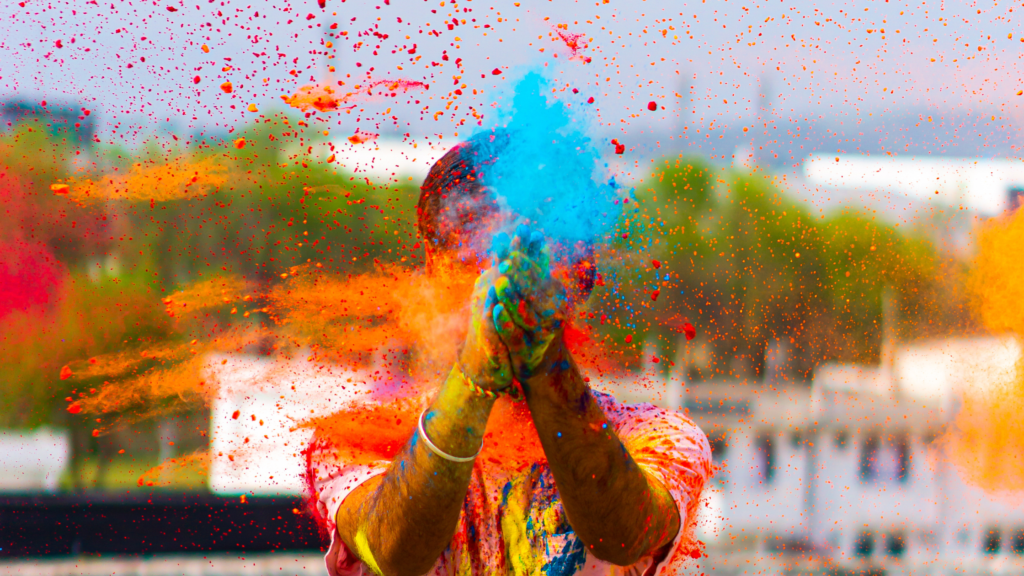
Holi, the festival of colors, is celebrated with great fervor and enthusiasm throughout India, marking the onset of spring and the victory of good over evil. While the core essence of Holi remains the same across the country, different regions of India have their own unique and diverse ways of celebrating the festival. From the grandeur of the Lathmar Holi in North India to the temple processions of Hola Mohalla in Punjab, and the folk songs of Rangapanchami in Maharashtra, the festival takes on a myriad of forms and flavors across the nation.

In North India, the festival is celebrated with vibrant colors and water, with communities coming together to dance, sing, and feast on traditional delicacies such as gujiya, mathri, and thandai. The cities of Mathura and Vrindavan, the birthplace of Lord Krishna, are particularly known for their extravagant celebrations, with Lathmar Holi being one of the highlights. This unique celebration involves women beating men with sticks, symbolizing the victory of Radha over Krishna.

In South India, the focus of the festival is more on the mythological significance of Holi, with people worshiping Lord Krishna and smearing each other with colors as a symbol of love and devotion. In Tamil Nadu, the festival is celebrated as Kamavilas and is more of a community event, with people coming together to sing and dance to traditional music. In Andhra Pradesh, Holi is celebrated as Dolayatra and involves a grand procession of Lord Vishnu’s idols through the streets.

In East India, Holi is known as Dol Purnima and is celebrated by applying colors and flowers to Lord Krishna’s idols. The festival also marks the harvest season, with people enjoying local delicacies such as pitha, malpua, and dahi vada. In West Bengal, the festival takes on a unique form with the celebration of Basanta Utsav, where people come together to celebrate the arrival of spring with music, dance, and colors.

In conclusion, Holi is a festival that reflects the rich and diverse cultural tapestry of India. Each region has its own unique customs and traditions that add to the vibrancy of the festival. The festival is not just about colors and fun but also about community bonding and strengthening social ties. So, this Holi, let us celebrate the festival in its true spirit by respecting and embracing the diverse regional traditions and customs of India.
You may also like

Search the website

Like us on Facebook

Get daily updates via Email

Enter your email address:

Recent Posts

Yogini Ekadashi 2026 — The Yaksha Who Missed the Morning Flowers, and the Ekadashi That Undid His Curse

On Friday, July 10, 2026, the rare Krishna Paksha Ekadashi of Nija Ashadha arrives. The Padma Purana tells the story of Hemamali — the Yaksha gardener of Bhagavan Kubera in Alaka, whose single morning of distraction with his wife Vishalakshi cost him his form, his wife, and his celestial city. Cursed to wander the earth of Bharata as a leper for a long time, he was at last shown the way back by Sage Markandeya — a single sincere keeping of Yogini Ekadashi.

Jamai Shashthi 2026 — The Story of Maa Shashthi, the Cat, and the Wife Who Was Forgiven

Jamai Shashthi 2026 — The Story of Maa Shashthi, the Cat, and the Wife Who Was Forgiven

On Saturday, June 20, 2026, Bengali households across Bharata will welcome their married daughters and sons-in-law home for the legendary jamai-aador feast and perform the Shashthi Vrata. But behind the warmth lies a story most Bengalis know by heart and most non-Bengalis have never heard — the wife who stole the hilsa, blamed the cat, lost six sons to Maa Shashthi’s wrath, and was finally forgiven. The Vrat Katha, the vidhi, the mantras, and the deeper teaching.

Vat Purnima 2026 — The Wife Who Argued Yama Into Returning Her Husband’s Life

On Monday, June 29, 2026, women across Maharashtra, Gujarat, and southern Bharata will tie red thread around banyan trees and hear the story of Savitri — the wife who walked behind Yamaraja Himself when He came for her husband, and out-argued the Lord of Dharma into returning Satyavan’s life. The Mahabharata’s Pativrata Mahatmya Parva, the vrat vidhi, and why the banyan witnessed everything.

Nija Jyeshtha 2026 — The Real Jyeshtha Begins, and the Calendar Resumes

Nija Jyeshtha 2026 — The Real Jyeshtha Begins, and the Calendar Resumes

With Adhik Maas now closed on the Somvati Amavasya of June 15, the long-postponed festivals of Jyeshtha return — Vat Purnima (June 29, the Savitri-Yamaraja katha), Jamai Shashthi (June 20, the Bengali festival of Maa Shashthi), Sankashti Chaturthi (June 28), Yogini Ekadashi (July 10), and Devshayani Ekadashi (July 16, opening the four-month Chaturmas of Bhagavan Vishnu’s yoga-nidra). A guide to what the next four weeks hold and what the household that kept Purushottam Maas now carries forward.

The Closing of Purushottam Maas 2026 — Adhik Amavasya and the Sealing of the Month-Long Vrat

On Monday, June 15, 2026 — a rare Somvati Amavasya — the intercalary month that bears Bhagavan Vishnu’s own name comes to its close. The Acharyas teach that a vrat is not measured by its duration but by its closing. Here are the Padma Purana’s instructions for sealing the month-long Purushottam Maas vrat: the morning snan, the closing puja with the Vishnu Sahasranama, the day of dana, the Somvati Amavasya gift, and the final sarva-arpana — the offering of all merit at the feet of the Lord.

css.php