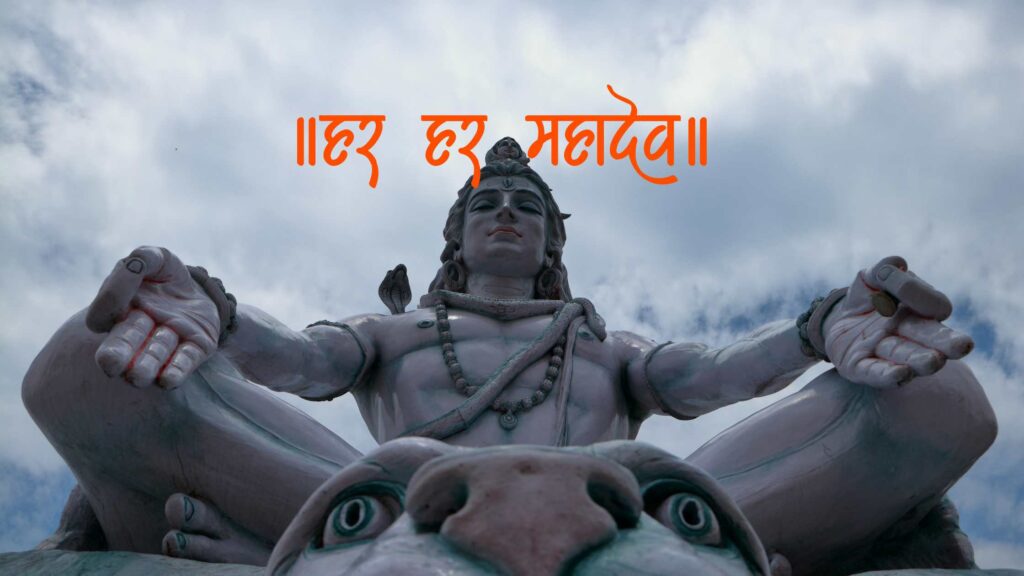
Lord Shiva is one of the most important deities in Hinduism and has played a significant role in Indian history. Known as the “Destroyer” in the Hindu trinity, Lord Shiva is revered for his power, wisdom, and compassion. He is often depicted in Hindu art and mythology as a powerful god with a third eye, a snake around his neck, and a trident in his hand.
Lord Shiva’s importance in Indian history can be traced back to the Indus Valley Civilization, which existed around 3300 BCE to 1300 BCE. Archaeological evidence suggests that the people of this civilization worshipped a male deity, possibly an early form of Lord Shiva. The worship of Lord Shiva continued to evolve over time, with his attributes and characteristics becoming more defined in the Vedic period.
The Puranic period, which followed the Vedic period, saw the rise of various Puranas that celebrated Lord Shiva’s greatness and the significance of his worship. Many of these Puranas also included stories and legends that highlighted Lord Shiva’s role in Indian history and mythology.
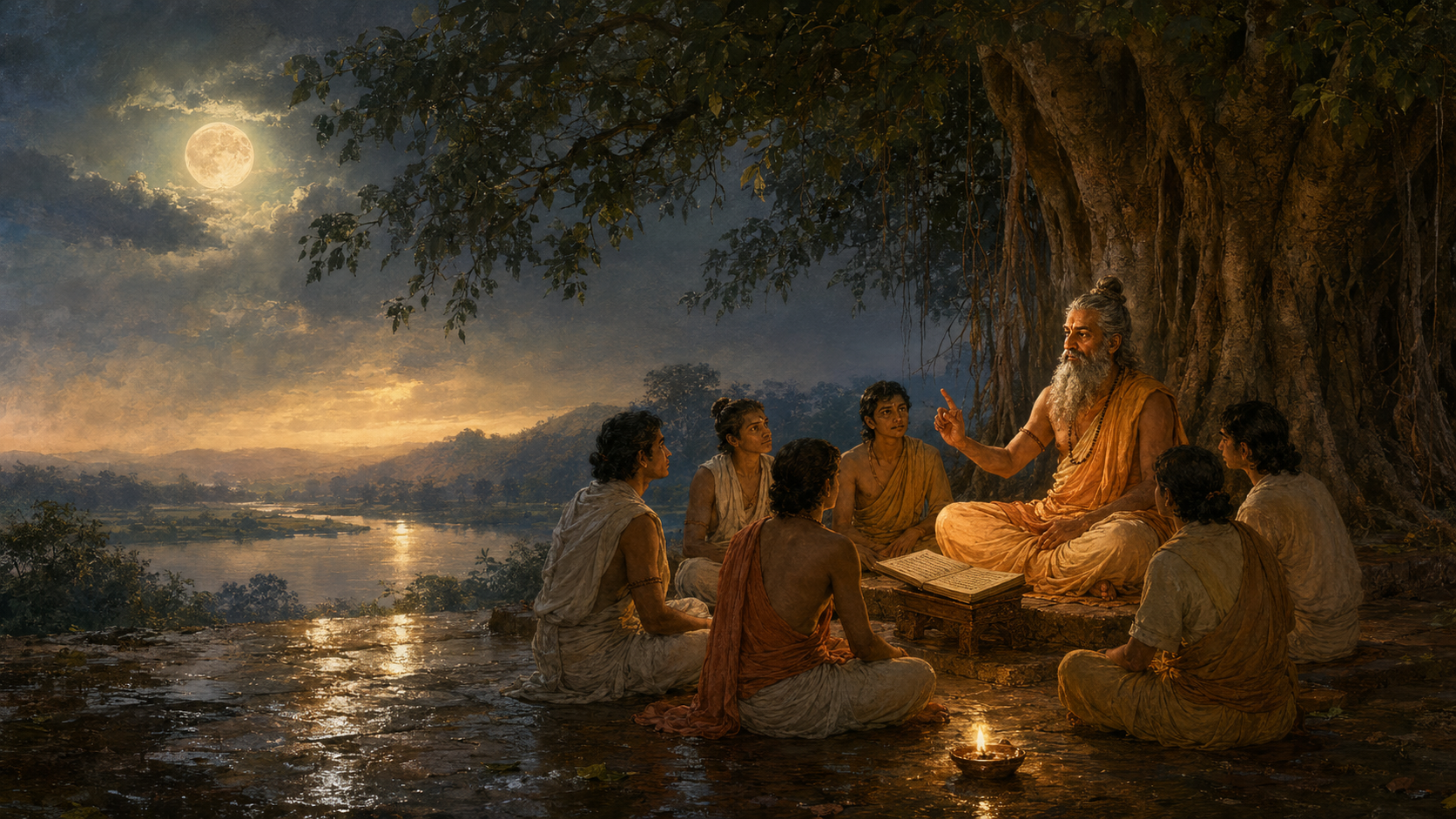
In Indian history, Lord Shiva is also closely associated with the development of yoga and meditation. He is believed to be the first yogi, and his teachings on yoga and meditation have had a profound impact on the spiritual practices of India. Even today, Lord Shiva is revered as a symbol of meditation, inner peace, and spiritual enlightenment.
Today, Lord Shiva is worshipped by millions of devotees around the world, who seek his blessings and guidance in their daily lives. His role in Indian history and religion is celebrated through various festivals and rituals, including Mahashivratri, which is dedicated to Lord Shiva and his many forms.
In conclusion, Lord Shiva has played a vital role in Indian history and religion, and continues to be a revered deity in the Hindu pantheon. Through his teachings on yoga and meditation, and his many legends and stories, Lord Shiva has left an indelible mark on the spiritual practices of India and the world.