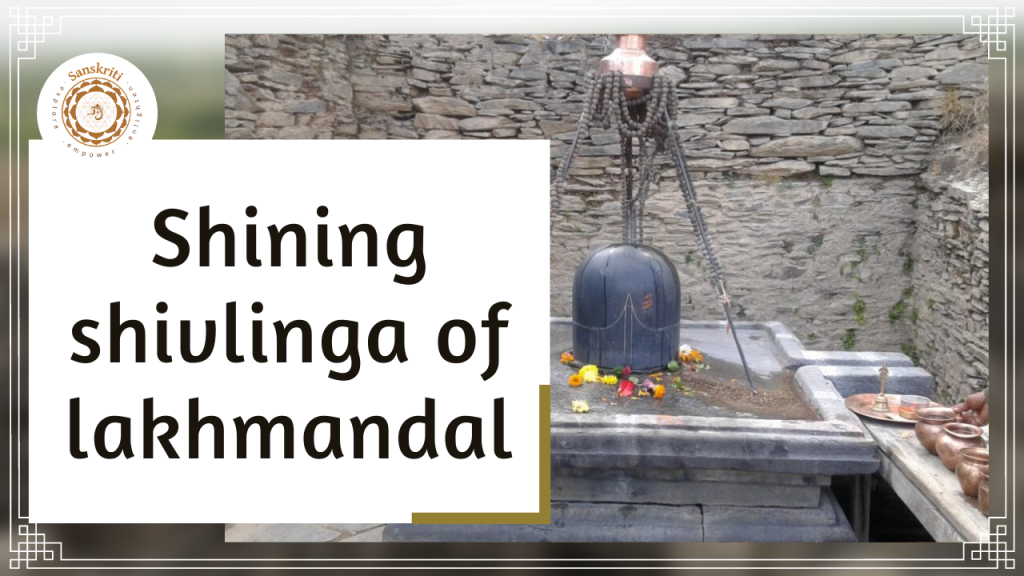
Lakhmandal Shivling is a very big natural shivlinga, located in Lakhmandal village of Chamoli district of Uttarakhand state.
It is a natural rock formation and it is a shiva lingam. Located in Lakhmandal village of Chamoli district of Uttarakhand state, this Shivling is about 6 feet tall and 2 feet wide. It is believed that Lord Shiva himself has formed this Shivlinga from the earth itself. As per Hindu mythology, Goddess Parvati used to meditate here in her previous birth as Nandini who was the daughter of king Ashwapati and his wife Menaka. She came here for meditation after marrying Himavan (husband of Menaka) but she left him due to his bad habits and continued with her meditation on this very spot which eventually turned into a Shivlinga
This giant shivlinga looks like a sphinx and shines like gold when sun rays fall on it.
The shivlinga has the shape of a sphinx. The reason for this is that the rock is made of quartzite and sandstone which erode into rounded shapes. Over time, the water flowing through these stones causes them to erode, creating an interesting pattern on each stone.
The shivlinga looks golden in colour due to its exposure to sun rays as well as desert heat which turns it golden in colour because metal oxides are formed in these conditions.
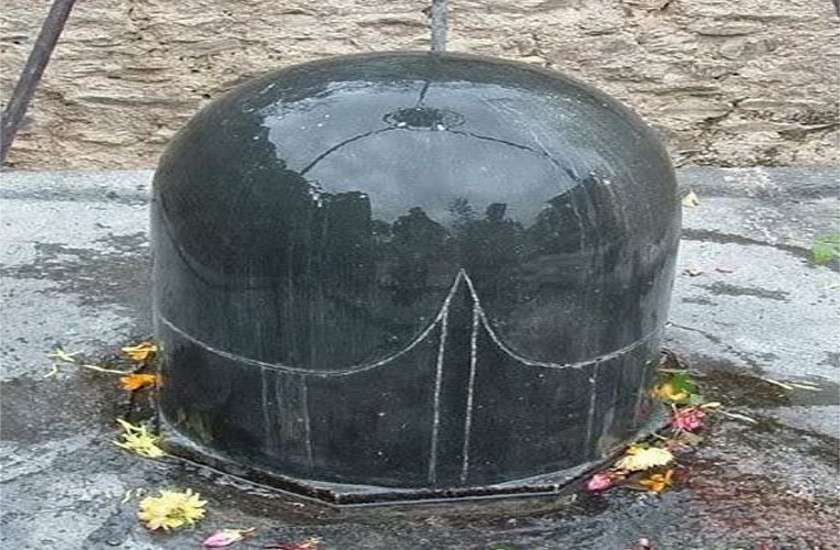
The dimension of this shivlinga is 7 feet high and 6 feet wide. This amazing rock structure was discovered in 1996 by a team from the Geological Survey of India (GSI) during a survey of Joshimath area.
The dimension of this shivlinga is 7 feet high and 6 feet wide. This amazing rock structure was discovered in 1996 by a team from the Geological Survey of India (GSI) during a survey of Joshimath area. The name “Lakhmandal” comes from the legend that has been associated with it for centuries, which says that when Brahma, Vishnu and Maheshwar were fighting for supremacy over creation, Shiva intervened and divided them into three parts – Brahma became Narmada River, Vishnu became Himalayas and Maheshwar became Lakhmandal Rock.
The map based on GSI geophysical survey shows that there are three more shivlings inside it which are not visible from outside because they have been covered by soil due to erosion caused by heavy rainfall during monsoons
According to geologists, this is formed because of erosion about 5000 years ago.
According to geologists, this is formed because of erosion about 5000 years ago.
Erosion is the action or process of wearing away landforms by the movement of water, wind, ice or other natural processes.
The Lakhmandal formation was formed through the process called abrasion which happens when sand and rock particles rub against each other. This continues for many thousands of years until a steep sided pillar like structure forms as seen at Lakhmandal temple in Kinnaur district.
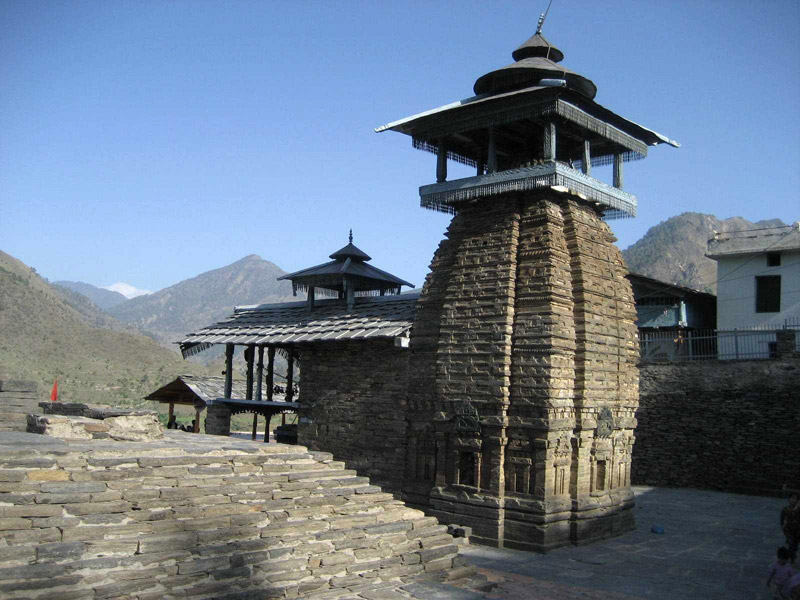
The lakhmandal shivling is one of the most interesting places in uttarakhand.
The Lakhmandal shivling is one of the most interesting places in uttarakhand. It is located in village Lakhmandal, which is near Joshimath. The lakhmandal shivling has been described as an amazing natural Shivalinga, 7 feet high and 6 feet wide . It shines like gold and looks like a sphinx.
In fact it was found by Geological Survey of India team during their exploration work.