~ By Mukundan. P.R.
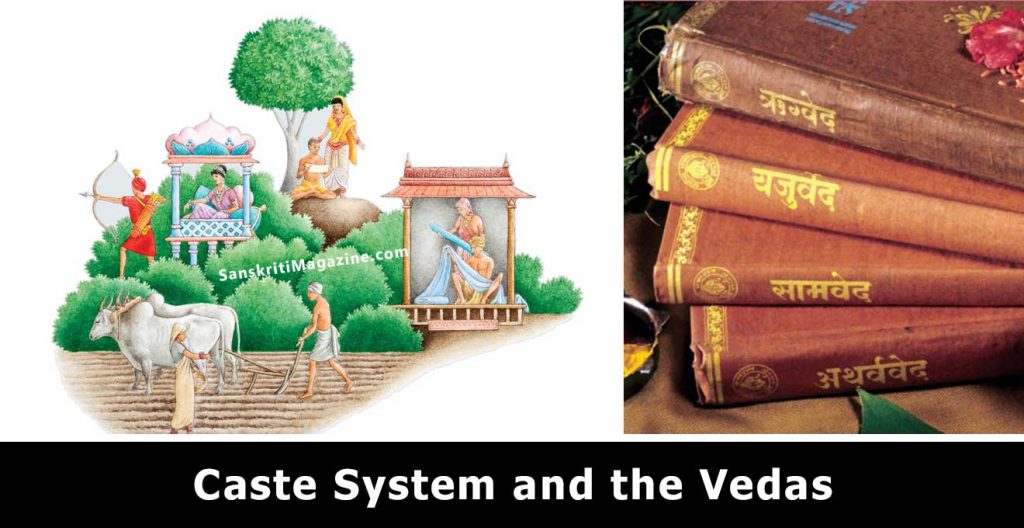
With the introduction of caste system, the Indian society had lost its unity which greatly helped outsiders to conquer and plunder India, both culturally and politically. The majority of people were suffering under the millstone of caste system. They remained impassive even when the country was plundered by outsiders. Caste is different from the Varna concept. Caste was the invention of a group of greedy vaidikas to subjugate the subaltern population of India.
The Varna system was not based on hereditary or external features but on innate soul qualities. After observing austerities, the Kshatriyas and Vaisyas obtain spiritual elevation and thus become qualified to be initiated into the path of spiritual realization. Through such spiritual realization they become brahmanas. Brahmana means the possessor of transcendental knowledge or one who has realized Brahman (the Supreme Light).
Great sages like Vishwamitra attained the title of Brahma Rishi (Brahmanhood) by performing long years of penance. It is with such penance (tapas) the kshatriya and vaisya become eligible for initiation (deeksha). The Sudra is also eligible for initiation which becomes clear from the mantra in Aitareya Brahmana – ‘Yadyapah Sudranam Sah Daksha’. The Sudras were initiated by water in yagna ceremony. From this mantra as well as from some others, it becomes clear that Sudras also had the right to initiation as against the institutes of Manu and other dharma shastras, which are obviously interpolated versions.
The desire for brahmanhood is denoted by brahma varchasa kamana. It is said about a person in Srimad Bhagavata Purana that he obtained brahma-varchasam (brahmanhood) discarding kshatriyahood. Tapasaa kshatram utrujyo lalabhe brahma varchasam. Indra, the head of devas (gods), is said to have desired brahma varchasam (brahmanhood) through the performance of a yaga. Brahmavarchasam praayachhat (indra).
Sayana in his treatise on Vedas has defined the word brahmana as one who lives by the knowledge of Brahman and Vedas or who has realized Brahman:
Braahmana Vedenaananthena Cheshtanthe
Nitya naimittikaadiini karmaani Kurvanthiiti Braahmana, or
Brahma adhiiyate vidanthi va braahmanaa.
Whatever Varna one belongs to, the basis for becoming a brahmana is internal qualities like self-enquiry through a life of penance.
Vedasya ashtau upanishado bhavanthi Vithishcha- Upastavashcha, Damascha, Sraddha cha, Samprasnascha, Anaakiikaranam cha, Yogascha,Aachaarya Sushruusha iti.
The above verse enumerates the eight qualities that disciples require for initiation into Vedas. Here vitthi means pragna (self consciousness). It may also mean the offering (dakshina) to Guru by the disciples; Upastavam means living with Guru; Damam is physical and mental self control through a life of penance; Sraddha – the desire for knowledge; Samprasna –clarification of doubts from Guru; Anaakiikaranam – not imparting the acquired knowledge to unqualified people; Yoga means living in constant thought of the acquired knowledge.
The Bhavishya Purana states that from Soma the brahmanas were born, from the Sun kshatriyas, from the Ocean vaisyas and from Daksha the sudras (Somaadvaii braahmanaah jaataah, suuryaad raajanya vamshajah, Samudraat sakalaah vaishyaah, dakshaat sudraah babhuuvire).
If the origin of the four varnas were from the above sources, the corresponding physical differences should also have been created for the different varnas. God has created all beings including man with distinct physical features. Even among men and in the same varna every individual is distinctly different from each other. Then why weren’t the four varnas created with appropriate physical distinctions? If it were so, all would have observed the caste rules from birth itself.
Purusha Sukta of the Rig Veda similarly mentions the birth of four varnas from the different parts of Brahman (God); brahmana was born from His (Brahman’s) face, kshatriya from the shoulders, from the thigh vaisya and from the feet sudra. If one thinks that castes can be determined on the basis of origin from the different parts of Brahman that also would not be logical, for the son of a Yogi does not necessarily become a yogi by birth. It is only by the practice of yoga, one becomes a yogi.
Therefore it becomes clear that the qualitative division of varna in the Vedas is not supposed to be on the basis of birth. To ask someone to what varna he belongs is something like enquiring whether he is a good or wicked man. The concept of Varna is based on the qualities of self and they are subject to transformation by individual effort.
With regard to women, the Vedas have classified all women into one Varna, i.e. women-hood. For example Manu Smriti mentions that in the event of killing women, to whatever varna she belongs, expiation is the same for all. The rituals related to women such as puberty, marriage, chastity etc are common for all women (Chaturvarnaja streenaam hanane, Praayaschittameka vidham, Rajaswala dharma paativritya dharmaadhikam cha sarvaasaam ekavidham6 )
In the Aitareya Brahmana, the definition of other three varnas is given as under:
Kshatrajam sevate karma
Vedaadhyayana sangata
Daanaadana ratiryastu
Savai kshatriya uchyate
One who observes the duties of a kshatriya (warrior class) and finds enjoyment in giving and taking and learned in the Vedas is a kshatriya
Vanijyaa pashu rakshaa cha
Krishyaa daana ratih suchih
Vedaadhyayana sampannah
Sa vai vaisya iti samjnitah
One who is engaged in trade, rearing of cattle and agriculture and finds happiness in charities, of pure nature and learned in the Vedas is a vaisya.
Sarvabhaksha ratir nityam
Sarvakarmakaro asuchih
Tyakta vedastvanaachaarah
Sa vai sudra iti smritah
One who eats everything (without discrimination), indulges always in sensual pleasures, does every action ugly and has become immoral abandoning the Vedas, such a person is a sudra.
Among sudras also there are two categories – sat-sudra and asat-sudra (Bhagavat Gita-7th chapter).
From the analysis of above references from Vedic literature, it can be seen that varnas are based on innate qualities alone and not based on birth or hereditary. In this context it would be worth to quote Navajyoti Sri Karunakara Guru on caste system:
‘Kali Dharma is not based on caste or religion. It is based on the innate goodness of humanity. It was laid down that we should not step into, see, touch or take… We fought one another within these edicts. As a result, varnashrama dharma was lost and in its place emerged the caste system. All the karmas were hit by this system’.
Through an experiential Guru-Disciple order, Navajyoti Sri Karunakara Guru delinked the burden of iniquitous caste system and has founded a new social order based on Sanatana Dharma opposed to ritualistic Hinduism that nurtures the system of caste and pagan rituals. Sanatana Dharma is the set of eternal and universal values propounded by the Rishis of transcendental realization. There is no place for religious dogma and discrimination of any kind in it.
References:
1. Jaatyupaadi Vivekah (Sanskrit), Swami Madhava Chaitanya Bharati, Varanasi, 1990
2. Matsya – 114/55
3. Kanvasata Brahmana 2/4/412
4. (Aitareya Brahmana -41)
5. (Bhagavata 9/16/25
6. Tandya Brahmana5 (13/417)
7. (Manu Smriti 11.139)