
By Neha Borkar
There is a reason Shiva is called ‘The Devo ke Dev-Mahadev’. The tranquil-looking lord can turn into a destroyer, and can also be a bholenath. He has multiple shades to his personality, and is one god who can truly teach us the wisdom to live life. Take a look at 11 lessons we can learn from him.
1. Come what may, you must never tolerate evil

Lord Shiva was known as the destroyer of evil. He couldn’t tolerate injustice and destroyed the evil rakshasas in a fair manner. Similarly, even we should try to keep zero tolerance for the evil happening around us and take a stand against injustice.
2. Self-control is the key to living life to the fullest
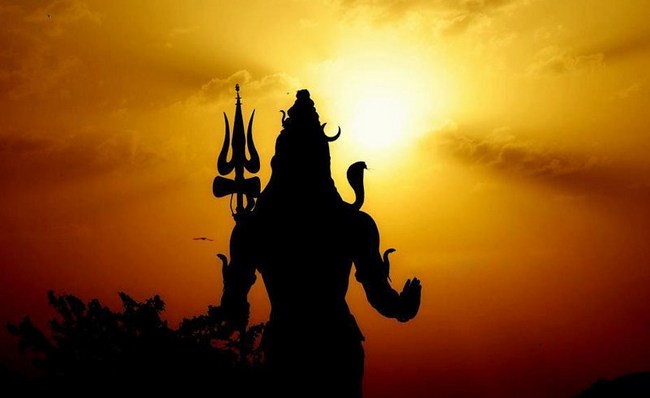 An uncontrolled mind can lead you to live a disastrous life. You cannot win battles when you lose focus and fall prey to your desires and addictions. Therefore, it’s necessary to keep your mind aligned to your goals and heart too.
3. Keep calm and carry on

Shiva was called a ‘Maha Yogi’ because he meditated for hours for the well-being of the universe. His calm state of mind was disturbed only due to extreme reasons, but otherwise he would always be in a meditative state of mind. Thus highlighting the fact that you can win half the battle just by being calm in a stressful situation. It’s really the best strategy to sorting out a problem.
4. Materialistic happiness never stays for long

Take a look at Shiva’s attire for a second. Only armed with a trishul and damru, Lord Shiva always stayed away from wealth. You’re missing out on nothing in life if you’re not attached to wealth and materialistic things. Because materialistic happiness is temporary. You need to find your happiness in events and experiences, and not things.
5. You must learn how to suppress negativity gracefully

Shiva was a ‘neelkanth’ because he swallowed poison named ‘halahala’, that emerged from the ocean. Only Shiva could have consumed this poison and suppressed it in his throat. The important lesson to take back from this incident is to take negativity in our stride, and turn it into positivity.
6. Desires lead to obsessions and obsessions lead to destruction
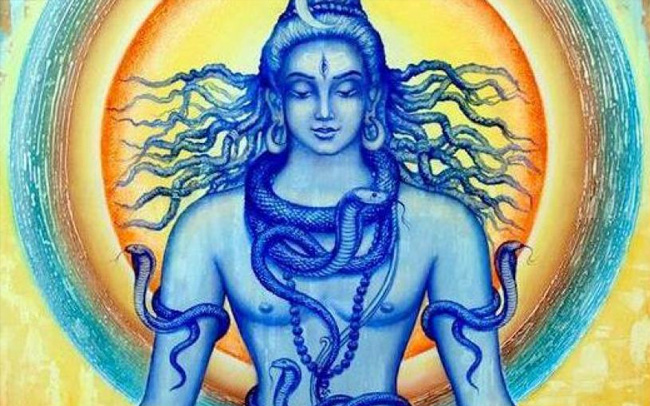
Since he was free from desires, Shiva never obsessed over things. It is a fact that desires always lead to obsessions, and these in turn make us self-destructive.
7. Respect your better half

Shiva was ‘Ardhanarishwar’, where half of him was Parvati. He treated Parvati with utmost respect and care. She was his ‘shakti’ and he gave her the importance she deserved.
8. You must control your ego and let go off pride
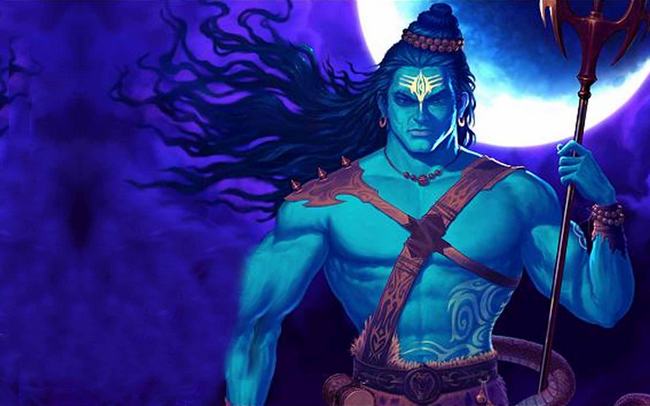
Your ego is the only thing that prevents you from attaining greatness. It is your ego that comes between your goals and your dreams, and makes you a less loving person. It is said that Shiva carried his trishul to keep his ego in check. He never let his ego get the better of himself. On the other hand, nor did he tolerate anyone else’s ego.
9. Do thorough research on something you’re likely to get into

The Ganga in Shiva’s hair symbolises the end of ignorance. This implies that you should know what you are getting into. Being in denial about facts is not going to help.
10. Understand that everything is temporary

Maha yogis don’t fall for ‘moh maya’. They know that life is ephemeral and what happens today is not going to exist forever. Time changes and so do we.
11. Dance

Lord Shiva is known as Nataraja or the King of Dance. Although his ‘tandav’ destroyed the world, it was also an art that passed on to us.