IndianSanskriti
Vastu for Kitchen and Bathroom

Vastu for Kitchen and Bathroom

The Kitchen:

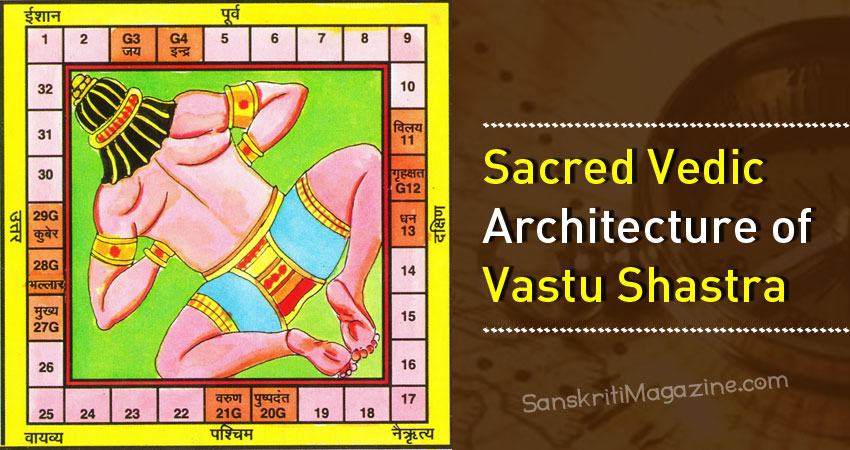
The room in which berth (fire place) is kept should be positioned in the south-east corner of the house. If it is kept in the south-west corner, it causes illness, bad luck, etc. If it is kept on the western side it leads to unnecessary expenditure, if it is kept in the north leads expenditure and illness. If it is kept in the north-east corner, it leads to conflicts etc. The flooring in the kitchen should not be low. The house should have compound walls on its sides. The compound walls should have gates exactly opposite to the main doors of the house.

Generally people build kitchen room in south-eastern side. It is good if it is built separately. It can be arranged in the North-west side also. If it is arranged in any other place, it may lead to the sickness of the people in the house. They may incur losses. The fire place should in the south-eastern corner. There must be free flow of air into the room.

The Bathroom:

Bathrooms and toilet rooms can be built on the eastern side or in the south-east corner. These can be built even in the North-West corner. These may be built either on the Northern side or on the Eastern side if necessary.

Water-tubs and water-tanks built on pillars should be placed in the east and northern sides of a house. The things should not be placed on the south and the south-western directions as they lead to illness etc. Bathroom and toilets should not be built and facing on the northern side of a house as they result in evil consequences.

Construction of bathrooms and toilets is prohibited in the North-east corner or in the south-west corner. There must be good flow of water to these rooms to maintain neatness. The north-east corner should always be clean and neat as it is considered to be the holy place i. e., the place of God.


You may also like

Search the website

Like us on Facebook

Get daily updates via Email

Enter your email address:

Recent Posts

Jamai Shashthi 2026 — The Story of Maa Shashthi, the Cat, and the Wife Who Was Forgiven

Jamai Shashthi 2026 — The Story of Maa Shashthi, the Cat, and the Wife Who Was Forgiven

On Saturday, June 20, 2026, Bengali households across Bharata will welcome their married daughters and sons-in-law home for the legendary jamai-aador feast and perform the Shashthi Vrata. But behind the warmth lies a story most Bengalis know by heart and most non-Bengalis have never heard — the wife who stole the hilsa, blamed the cat, lost six sons to Maa Shashthi’s wrath, and was finally forgiven. The Vrat Katha, the vidhi, the mantras, and the deeper teaching.

Vat Purnima 2026 — The Wife Who Argued Yama Into Returning Her Husband’s Life

On Monday, June 29, 2026, women across Maharashtra, Gujarat, and southern Bharata will tie red thread around banyan trees and hear the story of Savitri — the wife who walked behind Yamaraja Himself when He came for her husband, and out-argued the Lord of Dharma into returning Satyavan’s life. The Mahabharata’s Pativrata Mahatmya Parva, the vrat vidhi, and why the banyan witnessed everything.

Nija Jyeshtha 2026 — The Real Jyeshtha Begins, and the Calendar Resumes

Nija Jyeshtha 2026 — The Real Jyeshtha Begins, and the Calendar Resumes

With Adhik Maas now closed on the Somvati Amavasya of June 15, the long-postponed festivals of Jyeshtha return — Vat Purnima (June 29, the Savitri-Yamaraja katha), Jamai Shashthi (June 20, the Bengali festival of Maa Shashthi), Sankashti Chaturthi (June 28), Yogini Ekadashi (July 10), and Devshayani Ekadashi (July 16, opening the four-month Chaturmas of Bhagavan Vishnu’s yoga-nidra). A guide to what the next four weeks hold and what the household that kept Purushottam Maas now carries forward.

The Closing of Purushottam Maas 2026 — Adhik Amavasya and the Sealing of the Month-Long Vrat

On Monday, June 15, 2026 — a rare Somvati Amavasya — the intercalary month that bears Bhagavan Vishnu’s own name comes to its close. The Acharyas teach that a vrat is not measured by its duration but by its closing. Here are the Padma Purana’s instructions for sealing the month-long Purushottam Maas vrat: the morning snan, the closing puja with the Vishnu Sahasranama, the day of dana, the Somvati Amavasya gift, and the final sarva-arpana — the offering of all merit at the feet of the Lord.

Parama Ekadashi 2026 — The Other Rare Ekadashi of Purushottam Maas, and the Poor Brahmin Who Kept It

Two weeks ago, Vaishnavas across Bharata kept Padmini Ekadashi — the rare Shukla Paksha Ekadashi of Adhik Maas. Padmini has a twin. On Thursday, June 11, 2026, the Krishna Paksha Ekadashi of the same intercalary month appears: Parama — the Supreme Ekadashi. The Padma Purana names it the rarer and more secret of the two, and reserves it for those whose poverty or sorrow has refused to lift in spite of every other vrat already kept. The story of Sumedha and Pavitra of Kampilya, the rishi Kaundinya, the prince sent by Bhagavan Brahma — and the vidhi for the day.

css.php