Mata is now increasingly used to denote a religion, but traditionally it was used in India to denote an opinion or belief.
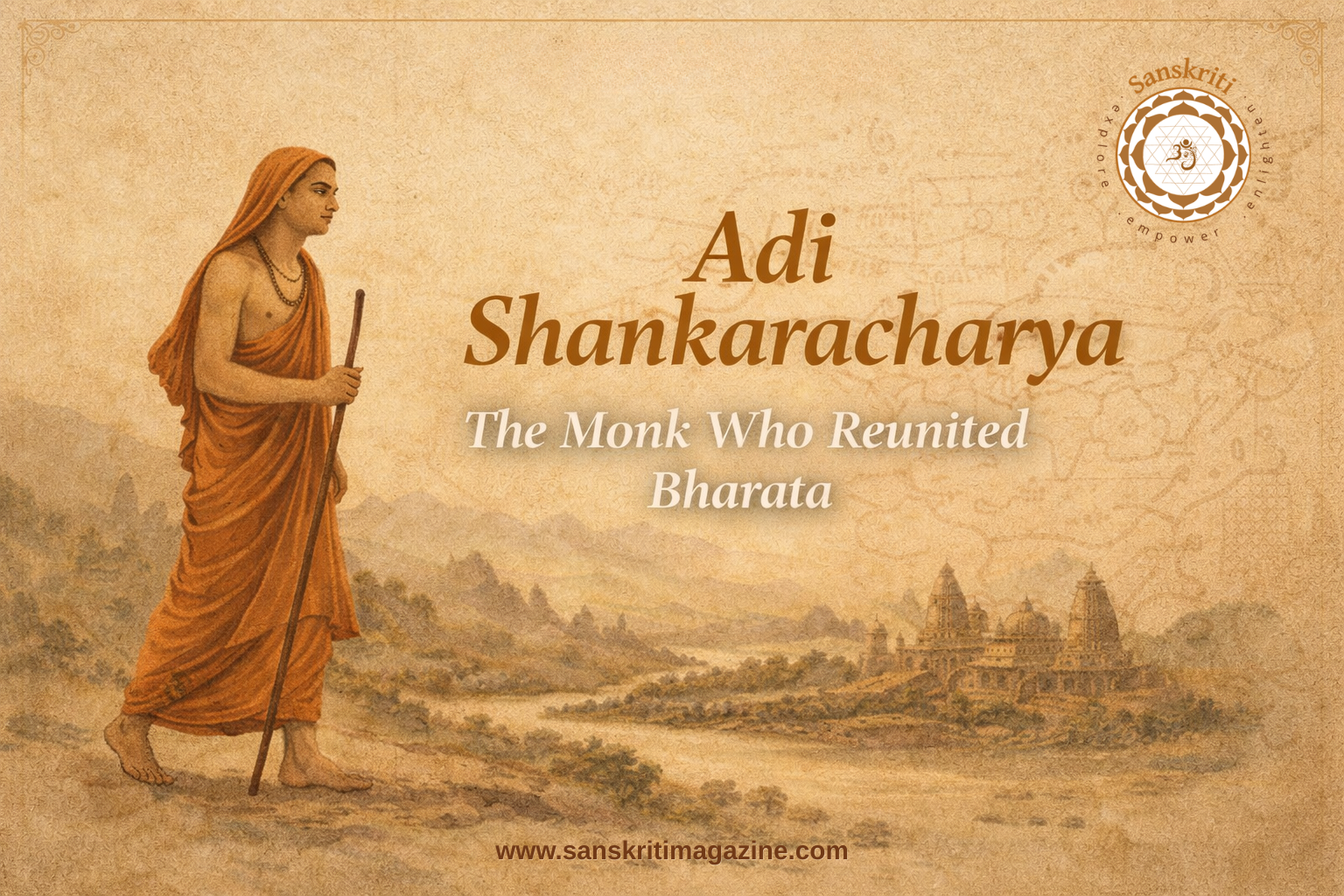
Mata may have been the precursor for mattah, meaning the hut of a religious ascetic, a monastery, or a place of learning, such as those found by Shankaracarya.
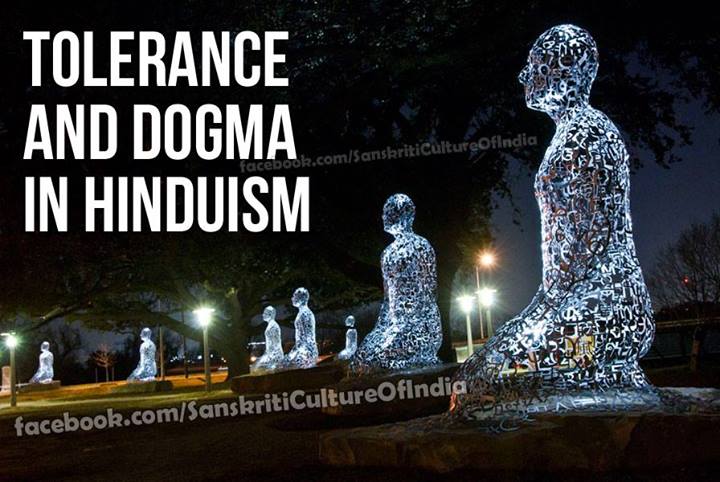
The word amply illustrates the religious conditions that prevailed in ancient India and why Hinduism remained free from the restrictions of dogma and the authoritarianism of despotic religious institutions.
In a general sense matam means thought or opinion. Your matam means your thinking, belief or stand point. According to Monier Williams Sanskrit Dictionary, mata means a thought, opinion, sentiment, view, belief, intention, or doctrine. in other words, matam represents what is thought, believed, imagined or understood.
The meaning amply conveys why ancient India was noted for religious freedom and why Hinduism defies a clear definition and does not fit into the rigid concept of a religion.
In Hinduism there is nothing like a dogma, which needs to be accepted as inviolable by everyone because someone said so. There may be an opinion, school of thought or point of view, which some people may hold true, but not necessarily by everyone.
However, there was one criteria which the Vedic religion looked to as far as such opinions were considered. They must stand the scrutiny of truth. One must be able to validate them with direct knowledge or evidence or one must be able to submit proof from the Vedas as to their veracity.
In Hinduism, the Vedas are considered standard testimony to validate the thoughts and opinions held by different people, because they represent the higher knowledge and the word of God.
If someone holds an opinions and shows proof from the Vedas that they are in agreement with such opinions, the tradition accepts those opinions as valid and reliable.
Since, many opinions can be validated with the help of the Vedas, Hinduism allows diversity of opinions to prevail, without showing any open preference for any particular opinions. It is left to the people and the scholars to follow or accept whatever opinions that may suit them.
Thus, in Hinduism you do not find any dogma, but many points of view, schools of thought and diverse opinions, each having a following of its own. If there is an opinion which says, God is one and has no form, Hinduism allows that opinion because the Vedas describe Brahman as formless. If someone else want to worship numerous gods and make them offerings, Hinduism allows that also because, the same Vedas describe God as many.
Duality and diversity are the undeniable realities of life upon earth. Hinduism allows these two to prevail in religious life also as part of God’s creation. In the final journey of liberation, eventually one has to renounce all these opinions and attachment to them to cross over to the other side and become the truth itself.