
Why do we pray?
No matter which culture we may belong to, there is a practice of prayer in every culture. Some of us pray and some of us

No matter which culture we may belong to, there is a practice of prayer in every culture. Some of us pray and some of us
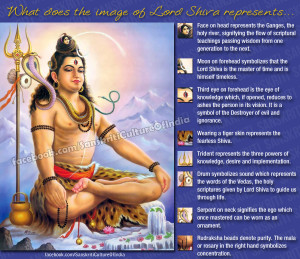
We cannot describe everything in great details but this is the simplest version of putting The UNIVERSE into brief words…
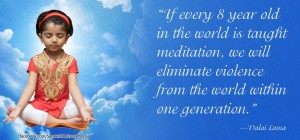
Warning : Yoga has been known to cause Health, Happiness and Spiritual Peace!
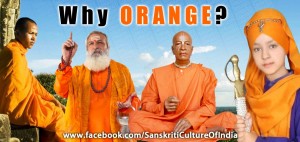
In India, colours play a very important role in religion and cultures, showing a very deep significance that transcends purely decorative values. Artists use color

Ātman is a Sanskrit word that means ‘self’. In Hindu philosophy, especially in the Vedanta school of Hinduism, Ātman is the first principle, the true

Most of us have heard the word “AUM” or more popularly known as “OM”, but do we know what it really means ? Why it


Bhadrapada begins today in North India, opening a lunar month that moves from the midnight

The 12 Jyotirlingas of Lord Shiva — where each stands, its sacred story, and how to make the Dwadasha Jyotirlinga pilgrimage in person or in spirit this Shravan.

The Rudrabhishek is the abhishekam said to please Lord Shiva fastest. What it is, the meaning of each sacred substance, the Sri Rudram, and how it is performed at home this Shravan.

Shravan runs July 30–Aug 27 in 2026, with four Sawan Somwars (Aug 3, 10, 17, 24). Why the whole month belongs to Mahadeva — the churning of the ocean, the poison He drank, and how to keep the Sawan vrat.

Thiruvonam 2026 falls on Wednesday, August 26 — the crown of Kerala’s ten-day festival. The Bhagavata story of King Mahabali and the Vamana avatar, and why Onam is a homecoming, not a defeat.

