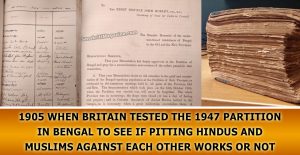
Sixty Thousand Signatures against the Bengal Partition: Bengali Resistance in 1905
More than 60,000 signatures were collected in what was one of the early examples signs of mass resistance against British rule. The ‘Partition’ of the

More than 60,000 signatures were collected in what was one of the early examples signs of mass resistance against British rule. The ‘Partition’ of the
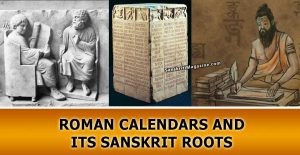
The influence of Sanskrit is pervasive, its roots are seen in the numerical system as the numbers zero to ten all reflect this ancient language.
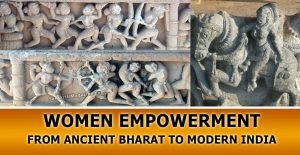
By manoshi sinha Women empowerment! This very phrase will transport you to a terrain of mixed views; the weight will shift more to what we

Atala Devi Temple was destroyed by Ibrahim Naib Barbak, the brother of Sultan Firoz Shah Tughlaq III (1351–1388 CE). Temple was demolished in 1364 CE,

~ By Sonita Kashyap Searching for the right answers in history can be a very slow and painful process for historians and archaeologists. It takes
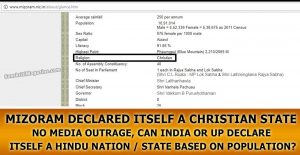
India is a “secular” country, according to our Constitution, everyone has freedom to follow any religion, they can celebrate the festivals/rituals of their faith and


Bhadrapada begins today in North India, opening a lunar month that moves from the midnight

The 12 Jyotirlingas of Lord Shiva — where each stands, its sacred story, and how to make the Dwadasha Jyotirlinga pilgrimage in person or in spirit this Shravan.

The Rudrabhishek is the abhishekam said to please Lord Shiva fastest. What it is, the meaning of each sacred substance, the Sri Rudram, and how it is performed at home this Shravan.

Shravan runs July 30–Aug 27 in 2026, with four Sawan Somwars (Aug 3, 10, 17, 24). Why the whole month belongs to Mahadeva — the churning of the ocean, the poison He drank, and how to keep the Sawan vrat.

Thiruvonam 2026 falls on Wednesday, August 26 — the crown of Kerala’s ten-day festival. The Bhagavata story of King Mahabali and the Vamana avatar, and why Onam is a homecoming, not a defeat.

