The Meaning and Concept of Arya
The word “arya” is probably one of most miscued, misunderstood and misinterpreted words in recent times. No one is sure how the word came into

The word “arya” is probably one of most miscued, misunderstood and misinterpreted words in recent times. No one is sure how the word came into
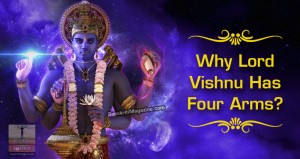
The classical explanation is “Lord Vishnu represents the aspect of perseverance and sustenance of the Supreme Reality. A human body with four arms generally symbolizes
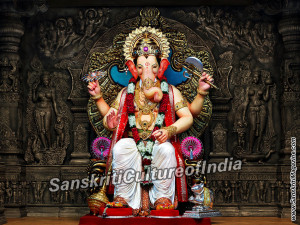
Ganapati-Atharvaś īrsa-Upanisad is associated with Atharvaveda. It is reportedly one of the central texts of Gānapatya sampradāya. It is the most widely recited Sanskrit text among devotees of
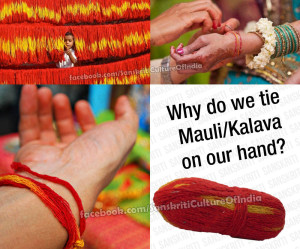
A red thread known as Mauli or Kalava or Charadu is tied on wrist by Hindus before the beginning of a religious ceremony. The thread

Pilgrimages are intentionally difficult journeys of devotion. By making a long journey to these powerful places, pilgrims achieve a degree of personal growth. The act
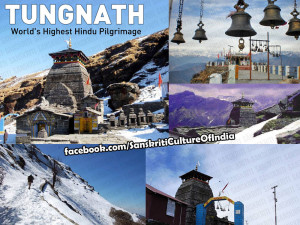
The Tunganath (literal meaning: Lord of the peaks) is the world’s highest Hindu pilgrim Temple dedicated to Shiva. Tungnath situated in the height of above


Bhadrapada begins today in North India, opening a lunar month that moves from the midnight

The 12 Jyotirlingas of Lord Shiva — where each stands, its sacred story, and how to make the Dwadasha Jyotirlinga pilgrimage in person or in spirit this Shravan.

The Rudrabhishek is the abhishekam said to please Lord Shiva fastest. What it is, the meaning of each sacred substance, the Sri Rudram, and how it is performed at home this Shravan.

Shravan runs July 30–Aug 27 in 2026, with four Sawan Somwars (Aug 3, 10, 17, 24). Why the whole month belongs to Mahadeva — the churning of the ocean, the poison He drank, and how to keep the Sawan vrat.

Thiruvonam 2026 falls on Wednesday, August 26 — the crown of Kerala’s ten-day festival. The Bhagavata story of King Mahabali and the Vamana avatar, and why Onam is a homecoming, not a defeat.

