The Kailasa Temple in Ellora is a monument that defies imagination.
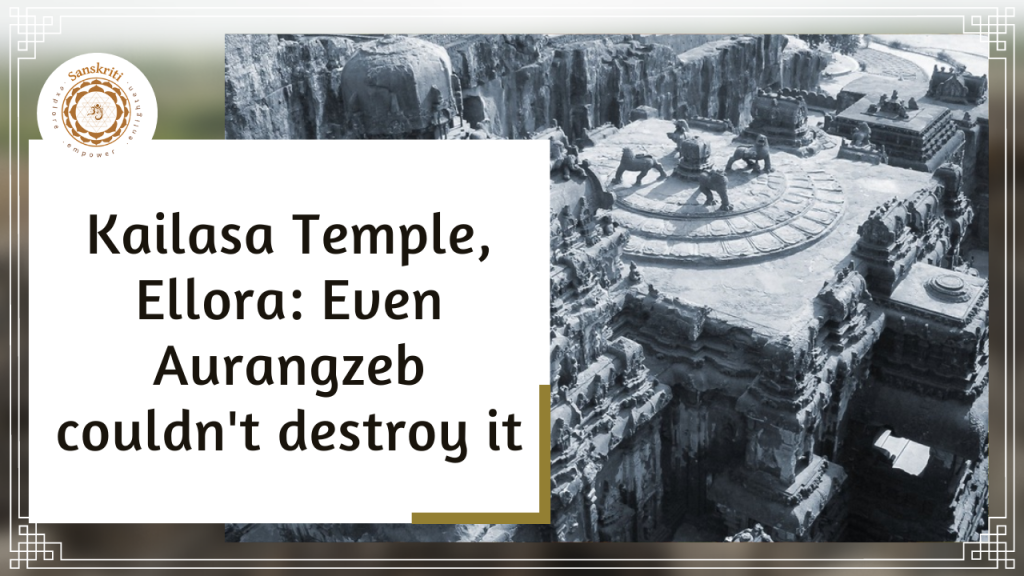
Kailasa Temple, Ellora is a monument that defies imagination. It was carved out of a single rock by the Rashtrakuta king Krishna I (7th century CE) in honor of Shiva, who is also known as Kailasa. The temple is the largest monolithic structure in the world and one of its kind in India. The temple’s base measures 31 meters on each side and it stands 30 meters high. In addition to this stunning architecture, there are also several carvings inside this massive cave that depict scenes from ancient Hindu epics such as Ramayana and Mahabharata.
The UNESCO World Heritage Site at Ellora has other amazing temples too like Bhimasankara Temple and Jaina caves but this one stands out for its sheer size and grandeur!
The Kailash temple is a representation of Mount Kailash, Shiva’s mythical abode.
The Kailash temple is a representation of Mount Kailash, Shiva’s mythical abode. It is one of the most important Hindu temples in India and was built by Rashtrakuta kings during the 9th century. The temple depicts scenes from the Ramayana and Mahabharata, as well as from legends associated with Shiva and Parvati.
The name “Kailasa” (Sanskrit: कैलास) literally means “residence on Mount Kailasha”. In classical literature it has also been called “Mt. Meru”, “Parvatapada” (meaning foot hill), “Kumuda Parvata”, “Kafsudandaghara”, etc., according to various texts.[3] Various Puranas mention that Lord Vishnu resides here along with his consort Goddess Lakshmi while Lord Brahma lives at Mt Meru along with Saraswati.[4].
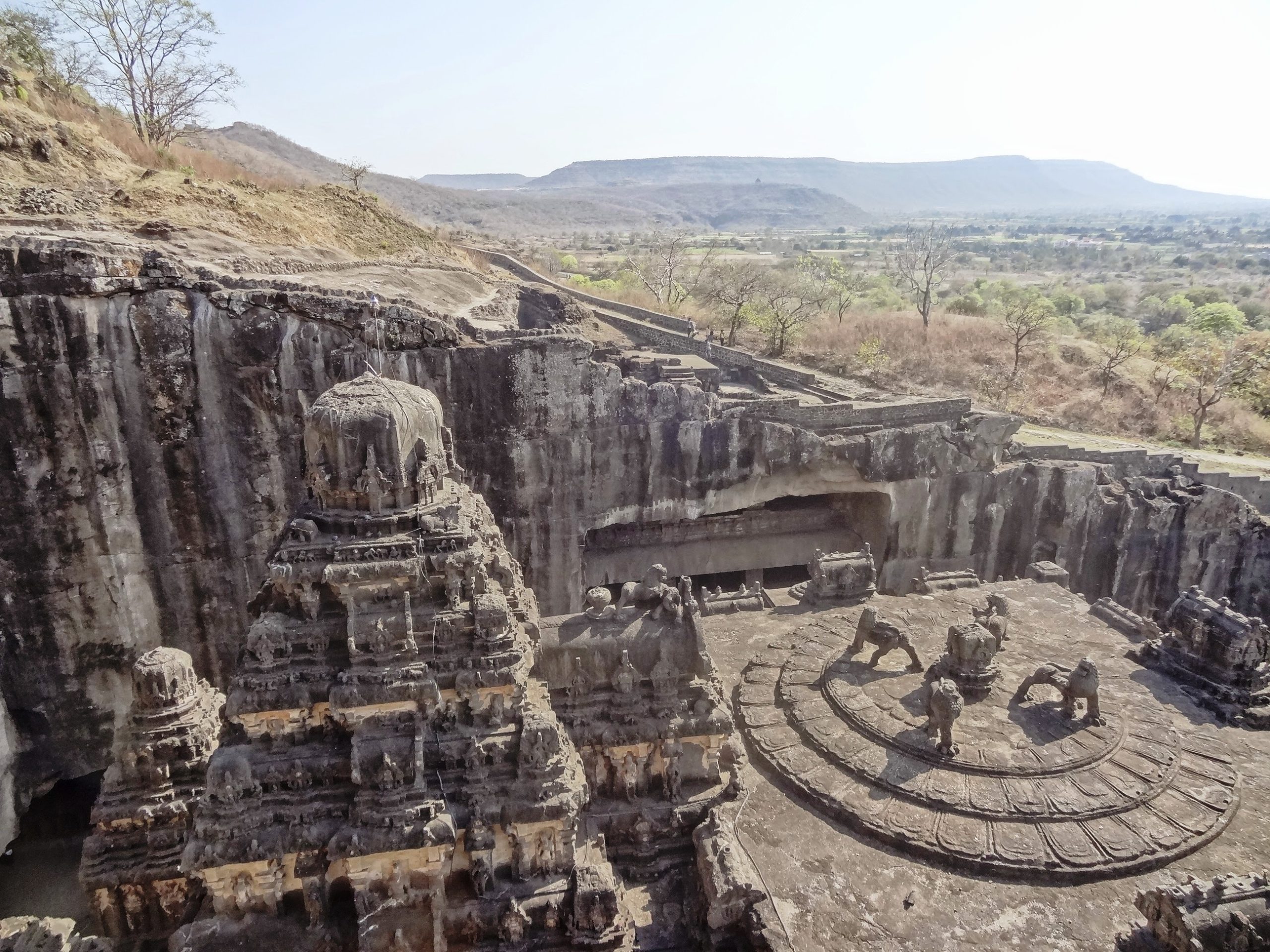
The temple was carved out of one single rock.
The temple was carved out of one single rock. It took 18 years to build the Kailasa Temple, which is the largest monolithic structure in the world. An army of thousands worked to carve this temple out of an entire hillside. The intricate carvings and sculptures on every inch of its walls are truly amazing!
The temple has intricate carvings and sculptures on every inch of its walls.
The temple has intricate carvings and sculptures on every inch of its walls. It is a representation of Mount Kailash, Shiva’s mythical abode. The temple took 18 years to build, from 750 CE to 778 CE.
In the center of the main hall stands a massive statue depicting Shiva in his true form as one with eternal energy, dancing with his wife Parvati on one side and playing drums on another. There are many other sculptures depicting gods like Brahma (the creator), Vishnu (the preserver), Krishna (an incarnation of Vishnu), Durga (a warrior goddess), Nandi (Shiva’s bull) and others too numerous to mention here.
It took 18 years to build the Kailasa Temple.
The Kailasa Temple, also called the Great Cave, is a rock-cut temple in Ellora. It is one of the most important monuments in India and has been attracting tourists since its construction was completed in AD 760. The temple is dedicated to Lord Shiva and his consort Parvati.
It took 18 years to build this temple and it was never finished because the builders ran out of funds! They used simple tools like hammers and chisels to carve out the stone for their amazing feat of engineering.
An army of thousands worked to carve this temple out of an entire hillside.
The temple is made up of a series of caves and niches, which are connected through an intricate underground passage. Each cave has its own story to tell. For example, the Kailasa Temple took eighteen years to build, with at least 1000 workers working round the clock to carve this temple out of an entire hillside!
The most amazing thing about this place is that even Aurangzeb couldn’t destroy it!
This temple is thought to be one of the most well-preserved structures of ancient India.
This temple is thought to be one of the most well-preserved structures of ancient India. The Kailasa Temple was carved out of a single rock by thousands of laborers, who worked for more than two centuries. And it’s still standing today—an amazing example of ancient Indian architecture that has withstood the test of time and remained in great shape through decades and centuries, even after Aurangzeb tried to destroy it (he failed).
When Aurangzeb came to power, he ordered the destruction of many temples across India.
Aurangzeb was a Mughal emperor in the late 17th century. He was known to be a very controversial figure, and his actions are thought to have contributed to the decline of the Mughal empire.
When Aurangzeb came to power, he ordered the destruction of many temples across India—and Kailasa Temple was one of them. However, his plans were unsuccessful because he could not destroy this temple at Ellora!
One story says that when he ordered his army to destroy the Kailasa Temple, his generals told him it would take them as long to tear it down as it had for the builders to carve it out, so he left it alone.
One story says that when he ordered his army to destroy the Kailasa Temple, his generals told him it would take them as long to tear it down as it had for the builders to carve it out, so he left it alone.
The general’s fear seems to have been based on stories that the temple was built with magic stones that wouldn’t allow anyone but its builders to destroy it. Another story says that Aurangzeb himself was afraid of God and couldn’t bring himself to break up a holy place dedicated to Shiva, who was worshipped by Hindus living all over India.
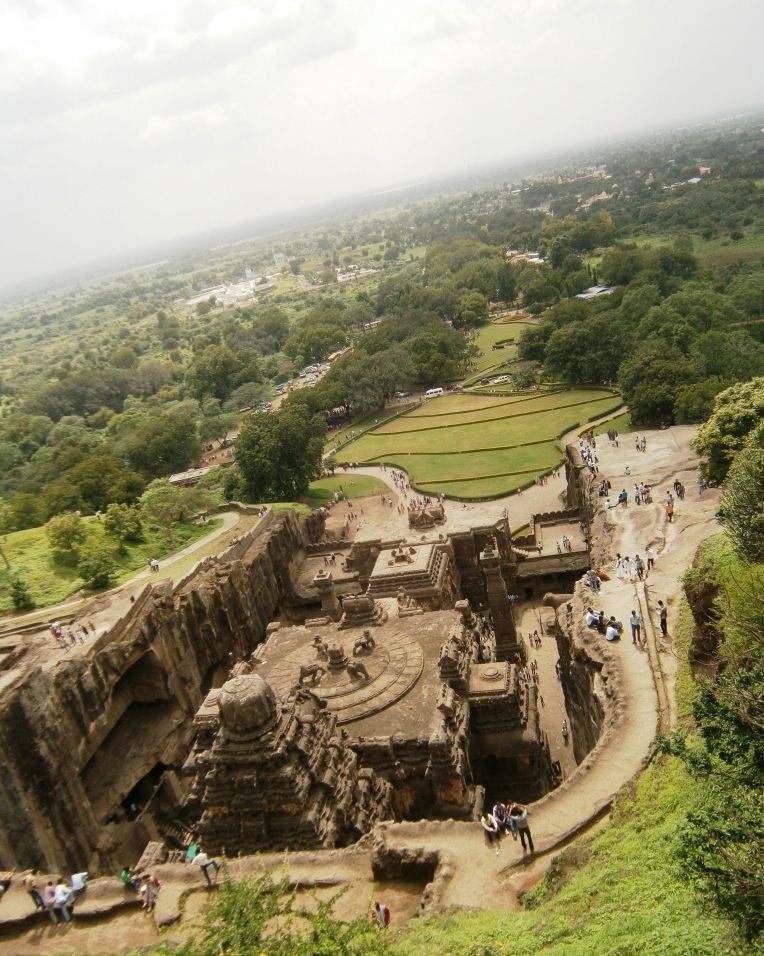
Another story says that when Aurangzeb ordered his troops to start destroying the temple, an earthquake shook immediately afterward and all of the soldiers were too afraid to continue because they thought it was a sign from God.
Another story says that when Aurangzeb ordered his troops to start destroying the temple, an earthquake shook immediately afterward and all of the soldiers were too afraid to continue because they thought it was a sign from God. They refused to destroy the temple, so Aurangzeb had to send more men in order for them to do their job. This is a prime example of how even someone like Aurangzeb could not destroy a temple that people considered sacred and important.
Even today, many Hindus consider this temple as one of the most holy places in India because millions of people visit here every year. The temples are beautifully carved out on rock walls which gives you an idea how hard it would have been creating these structures thousands of years ago without modern tools or technology available today!
No matter which story you believe, the fact remains that even Aurangzeb couldn’t destroy this huge monument, and today it is one of three amazing temples carved into rocks at Ellora – a truly amazing feat and testament to the artistic abilities of ancient Indian artisans
It is believed that Aurangzeb was born in India, and he was a Mughal emperor. But even he couldn’t destroy this huge monument, and today it is one of three amazing temples carved into rocks at Ellora – a truly amazing feat and testament to the artistic abilities of ancient Indian artisans.