IndianSanskriti
Embark on a journey of discovery with our list of the top 10 reasons to visit the Ram Temple in Ayodhya. From spiritual enlightenment to architectural beauty, find out why this temple is a bucket-list destination. #RamTemple #AyodhyaTourism #CulturalHeritage

10 Compelling Reasons to Visit the Ram Temple in Ayodhya

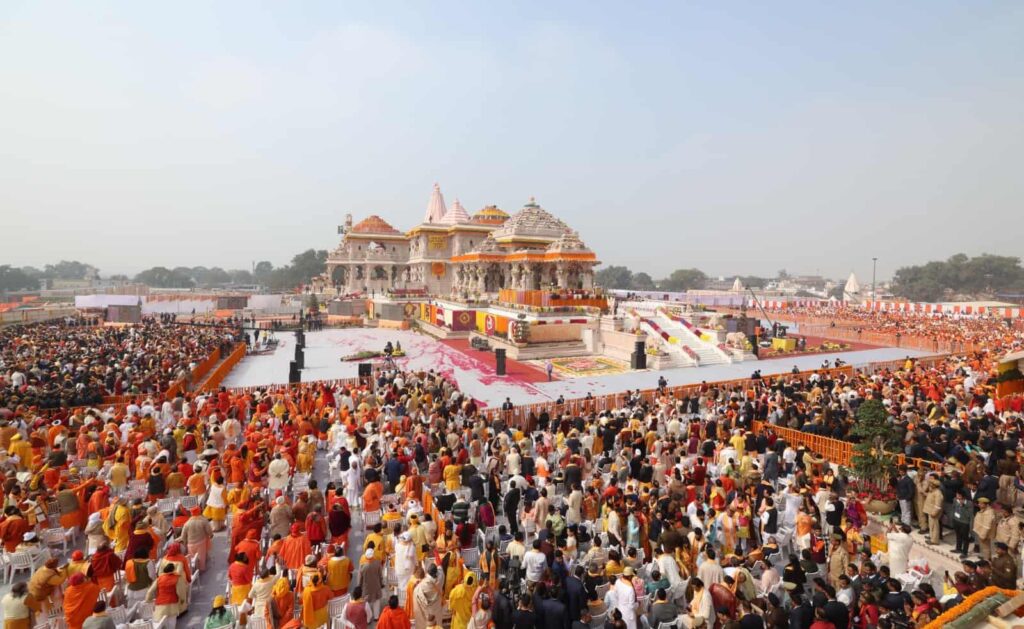
The Ram Temple in Ayodhya is not just a place of worship, it’s a symbol of India’s rich spiritual heritage and architectural grandeur. Nestled in the heart of Ayodhya, a city steeped in history and legend, the temple is a testament to the enduring legacy of one of India’s most revered deities, Lord Ram. Whether you’re a spiritual seeker, a lover of history, or an admirer of architectural wonders, this temple offers a multitude of reasons to visit. Here, we unveil the top 10 reasons that make the Ram Temple in Ayodhya a must-visit destination, each highlighting a different facet of this magnificent structure and its surrounding culture.

Now, let’s explore these compelling reasons that make the Ram Temple in Ayodhya an unmissable experience.

  1. Historical Significance: The Ram Temple stands at the believed birthplace of Lord Ram, a pivotal figure in Indian history and culture. Visiting the temple offers a connection to India’s ancient past and its epic narratives.
  2. Architectural Marvel: The temple is an exquisite example of traditional Indian architecture, showcasing intricate designs and craftsmanship. Its grandeur and aesthetic appeal are a visual treat for architecture enthusiasts.
  3. Cultural Experience: The temple offers an immersive experience into Hindu culture and practices. It’s a unique opportunity to witness and participate in traditional rituals and ceremonies.
  4. Spiritual Significance: For those seeking spiritual growth, the temple, being a major religious site, provides a serene and contemplative environment conducive to introspection and meditation.
  5. Artistic Displays: The temple complex is adorned with sculptures and artwork depicting scenes from the Ramayana, offering a visual storytelling experience of this epic.
  6. Economic Impact: Visiting the temple contributes to the local economy of Ayodhya, supporting small businesses and the community that thrives around the temple.
  7. Educational Opportunity: For students and enthusiasts of Indian history and religion, the temple serves as a live classroom, offering insights into the Ramayana and Lord Ram’s life.
  8. Community Interaction: The temple attracts visitors from diverse backgrounds, offering a chance to interact with different people, share experiences, and understand various perspectives.
  9. Photography: The temple’s majestic structure against the backdrop of Ayodhya provides a picturesque setting for photography enthusiasts.
  10. Peaceful Retreat: Amidst the hustle and bustle of daily life, the temple offers a peaceful retreat, a place to relax, and rejuvenate in a spiritual environment.

A visit to the Ram Temple is more than just a religious pilgrimage; it’s an exploration of history, culture, art, and spirituality, making it a must-visit destination for a wide range of interests.


You may also like

Search the website

Like us on Facebook

Get daily updates via Email

Enter your email address:

Recent Posts

Yogini Ekadashi 2026 — The Yaksha Who Missed the Morning Flowers, and the Ekadashi That Undid His Curse

On Friday, July 10, 2026, the rare Krishna Paksha Ekadashi of Nija Ashadha arrives. The Padma Purana tells the story of Hemamali — the Yaksha gardener of Bhagavan Kubera in Alaka, whose single morning of distraction with his wife Vishalakshi cost him his form, his wife, and his celestial city. Cursed to wander the earth of Bharata as a leper for a long time, he was at last shown the way back by Sage Markandeya — a single sincere keeping of Yogini Ekadashi.

Jamai Shashthi 2026 — The Story of Maa Shashthi, the Cat, and the Wife Who Was Forgiven

Jamai Shashthi 2026 — The Story of Maa Shashthi, the Cat, and the Wife Who Was Forgiven

On Saturday, June 20, 2026, Bengali households across Bharata will welcome their married daughters and sons-in-law home for the legendary jamai-aador feast and perform the Shashthi Vrata. But behind the warmth lies a story most Bengalis know by heart and most non-Bengalis have never heard — the wife who stole the hilsa, blamed the cat, lost six sons to Maa Shashthi’s wrath, and was finally forgiven. The Vrat Katha, the vidhi, the mantras, and the deeper teaching.

Vat Purnima 2026 — The Wife Who Argued Yama Into Returning Her Husband’s Life

On Monday, June 29, 2026, women across Maharashtra, Gujarat, and southern Bharata will tie red thread around banyan trees and hear the story of Savitri — the wife who walked behind Yamaraja Himself when He came for her husband, and out-argued the Lord of Dharma into returning Satyavan’s life. The Mahabharata’s Pativrata Mahatmya Parva, the vrat vidhi, and why the banyan witnessed everything.

Nija Jyeshtha 2026 — The Real Jyeshtha Begins, and the Calendar Resumes

Nija Jyeshtha 2026 — The Real Jyeshtha Begins, and the Calendar Resumes

With Adhik Maas now closed on the Somvati Amavasya of June 15, the long-postponed festivals of Jyeshtha return — Vat Purnima (June 29, the Savitri-Yamaraja katha), Jamai Shashthi (June 20, the Bengali festival of Maa Shashthi), Sankashti Chaturthi (June 28), Yogini Ekadashi (July 10), and Devshayani Ekadashi (July 16, opening the four-month Chaturmas of Bhagavan Vishnu’s yoga-nidra). A guide to what the next four weeks hold and what the household that kept Purushottam Maas now carries forward.

The Closing of Purushottam Maas 2026 — Adhik Amavasya and the Sealing of the Month-Long Vrat

On Monday, June 15, 2026 — a rare Somvati Amavasya — the intercalary month that bears Bhagavan Vishnu’s own name comes to its close. The Acharyas teach that a vrat is not measured by its duration but by its closing. Here are the Padma Purana’s instructions for sealing the month-long Purushottam Maas vrat: the morning snan, the closing puja with the Vishnu Sahasranama, the day of dana, the Somvati Amavasya gift, and the final sarva-arpana — the offering of all merit at the feet of the Lord.

css.php