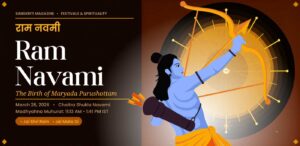
Ram Navami 2026 — The Birth of the Lord of Dharma
Ram Navami 2026: Celebrating the Birth of Maryada Purushottam | Sanskriti Magazine Sanskriti Magazine · Festivals & Spirituality · March 26, 2026 🏹 Ram Navami

Ram Navami 2026: Celebrating the Birth of Maryada Purushottam | Sanskriti Magazine Sanskriti Magazine · Festivals & Spirituality · March 26, 2026 🏹 Ram Navami
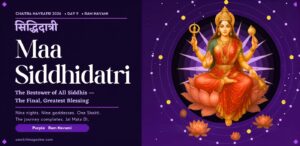
Maa Siddhidatri: The Bestower of All Siddhis — The Final, Greatest Blessing | Sanskriti Magazine Chaitra Navratri 2026 · Day 9 of 9 · Ram
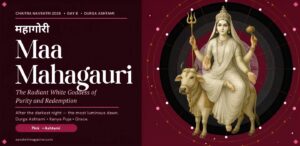
Maa Mahagauri: The Radiant White Goddess of Purity and Redemption | Sanskriti Magazine Chaitra Navratri 2026 · Day 8 of 9 · Durga Ashtami Maa
The Ashta Lakshmi — the eight forms of Devi Lakshmi representing every dimension of abundance. From Adi Lakshmi to Vidya Lakshmi, their iconography, mantras, and the deeper teaching of prosperity in Dharma.
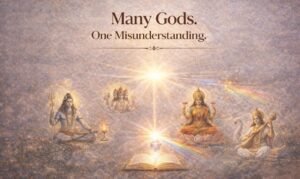
One of the most common questions people ask about Hinduism is also one of the most misunderstood. Why are there so many gods? At first
Gita Jayanti 2025 — the sacred day Bhagavan Krishna revealed the Bhagavad Gita to Arjuna on the battlefield of Kurukshetra. Key teachings, significance, and how to observe Gita Jayanti.


Bhadrapada begins today in North India, opening a lunar month that moves from the midnight

The 12 Jyotirlingas of Lord Shiva — where each stands, its sacred story, and how to make the Dwadasha Jyotirlinga pilgrimage in person or in spirit this Shravan.

The Rudrabhishek is the abhishekam said to please Lord Shiva fastest. What it is, the meaning of each sacred substance, the Sri Rudram, and how it is performed at home this Shravan.

Shravan runs July 30–Aug 27 in 2026, with four Sawan Somwars (Aug 3, 10, 17, 24). Why the whole month belongs to Mahadeva — the churning of the ocean, the poison He drank, and how to keep the Sawan vrat.

Thiruvonam 2026 falls on Wednesday, August 26 — the crown of Kerala’s ten-day festival. The Bhagavata story of King Mahabali and the Vamana avatar, and why Onam is a homecoming, not a defeat.

