Guru Purnima 2025 — Honouring the Eternal Guru Tradition of Bharata
Guru Purnima 2025 — honouring Maharishi Veda Vyasa and the sacred Guru tradition. The significance of the Guru in Sanatana Dharma, puja vidhi, and the deeper teaching of surrender.

Guru Purnima 2025 — honouring Maharishi Veda Vyasa and the sacred Guru tradition. The significance of the Guru in Sanatana Dharma, puja vidhi, and the deeper teaching of surrender.
Nirjala Ekadashi 2025 — the waterless fast observed by Bhima himself. Complete vrat vidhi, the sacred story from the Brahma Vaivarta Purana, mantras, and the immense merit of this single-day vrat.
Ganga Dussehra 2025 — the sacred day celebrating the descent of Maa Ganga to earth through King Bhagiratha’s tapasya. Puja vidhi, timings, the Puranic account, and ten sacred benefits.
The seven sacred rivers of Bharata — Ganga, Yamuna, Saraswati, Narmada, Godavari, Sindhu, and Kaveri. Their Puranic origins, spiritual significance, and the Dharmic tradition of river worship.
Buddha Purnima 2025 — celebrating the birth, enlightenment, and Mahaparinirvana of Gautama Buddha. The sacred sites, teachings, and the deeper Dharmic significance.
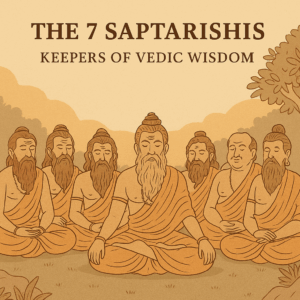
In the vast spiritual landscape of ancient India, few figures shine as brightly as the Saptarishis — the Seven Great Seers. Revered across Vedic texts

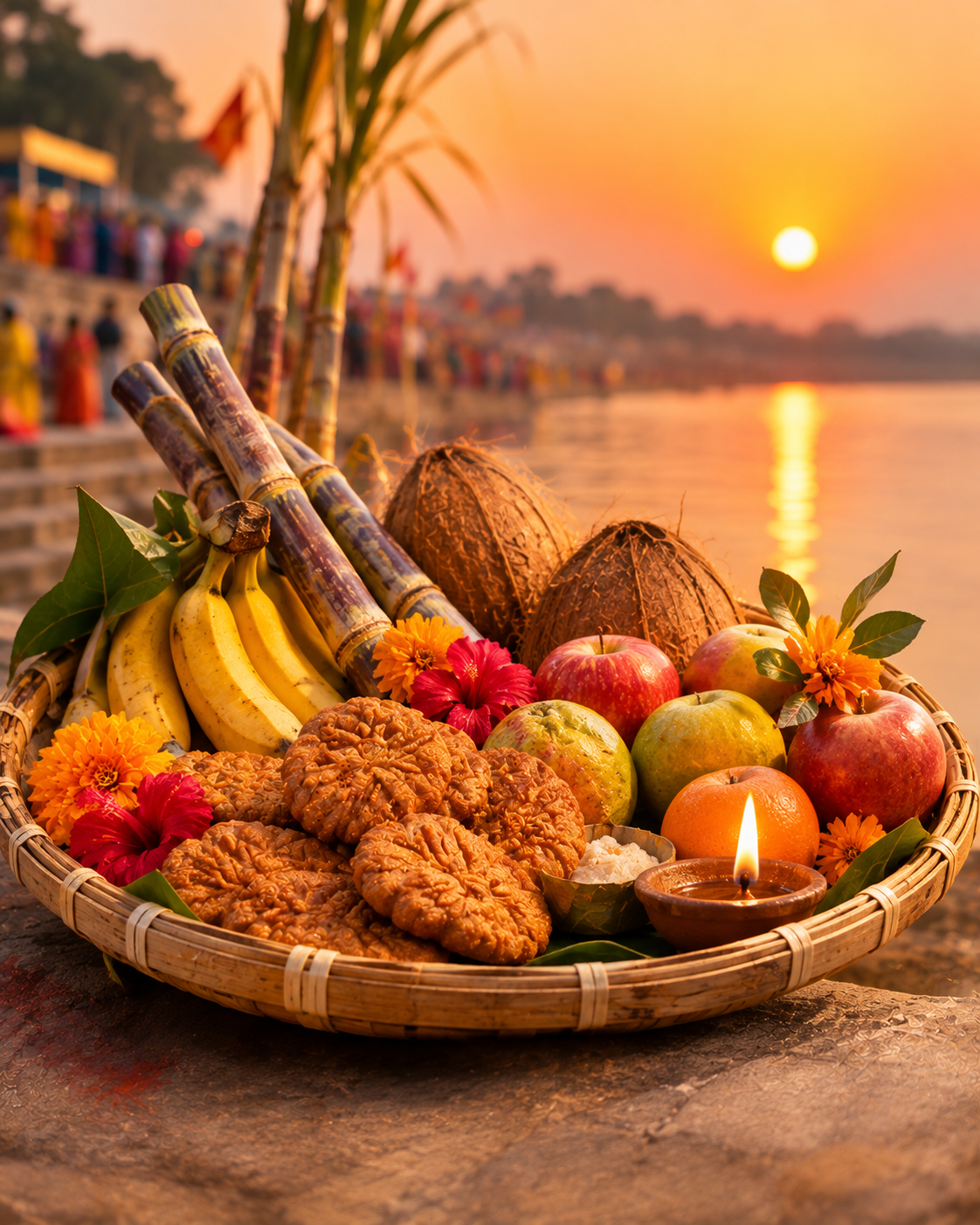
Explore Chhath Puja offerings including thekua, bamboo soop and daura, sugarcane, coconut, bananas and homemade prasad, with cultural context and 2026 dates.

Why does Chhath Puja include both Sandhya Arghya and Usha Arghya? Explore its distinctive sunset-and-sunrise tradition, meanings and 2026 dates.
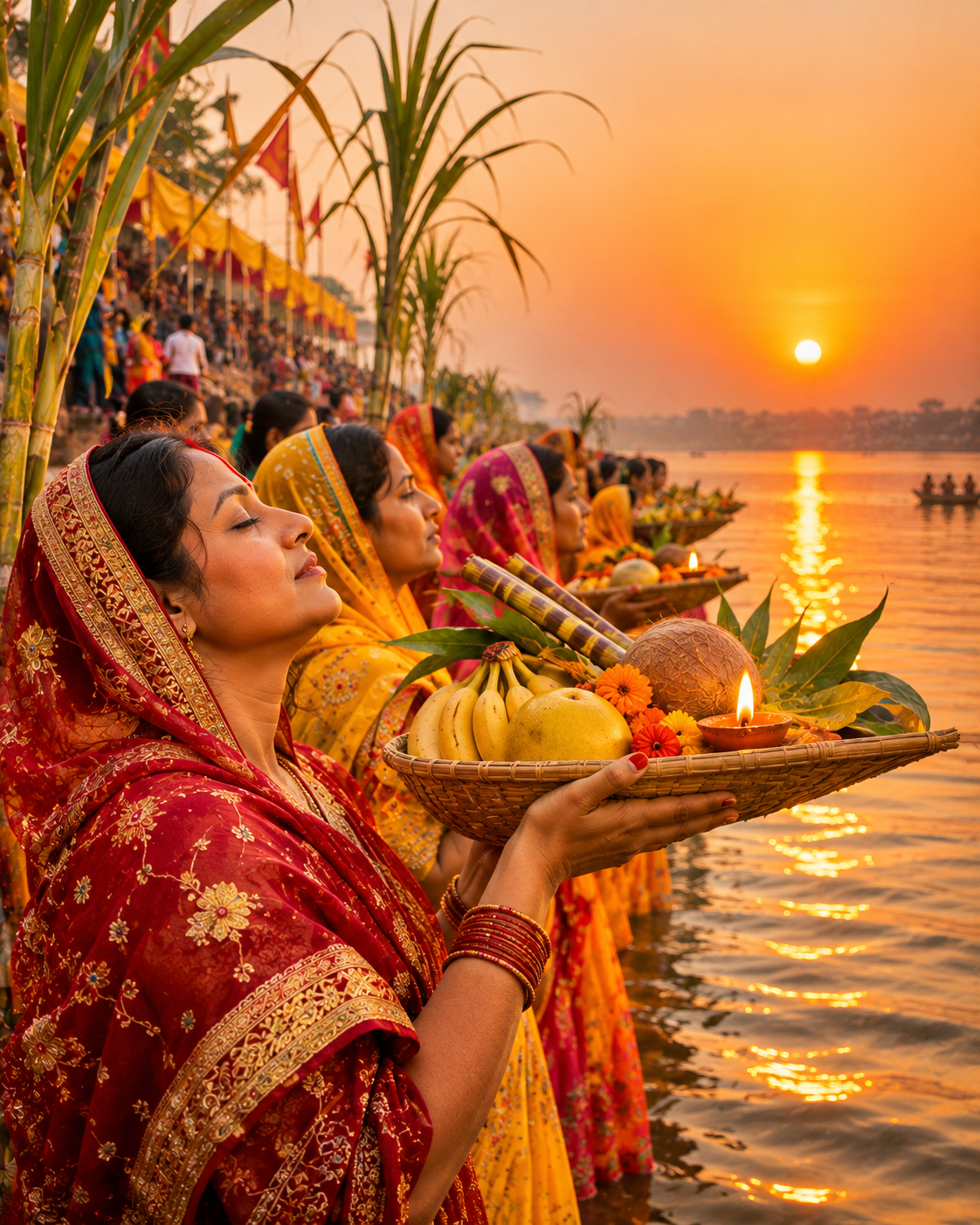
Chhath Puja 2026 runs from 13 to 16 November. Explore Nahay Khay, Kharna, Sandhya Arghya, Usha Arghya, Delhi timings, offerings and regional traditions.
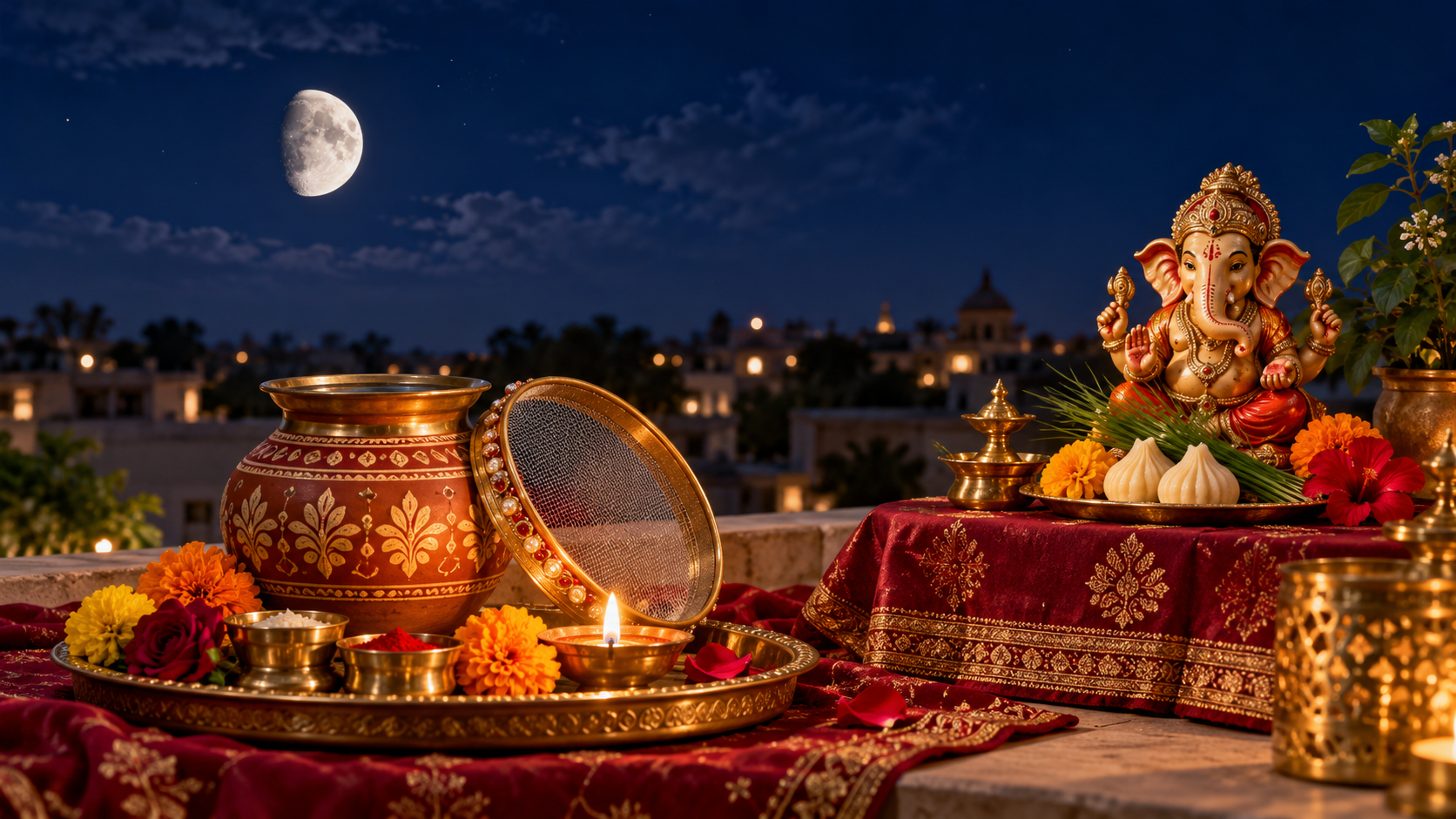
Why Karwa Chauth and Vakratunda Sankashti Chaturthi share 29 October 2026, with distinct rituals, regional customs and New Delhi moonrise timings.
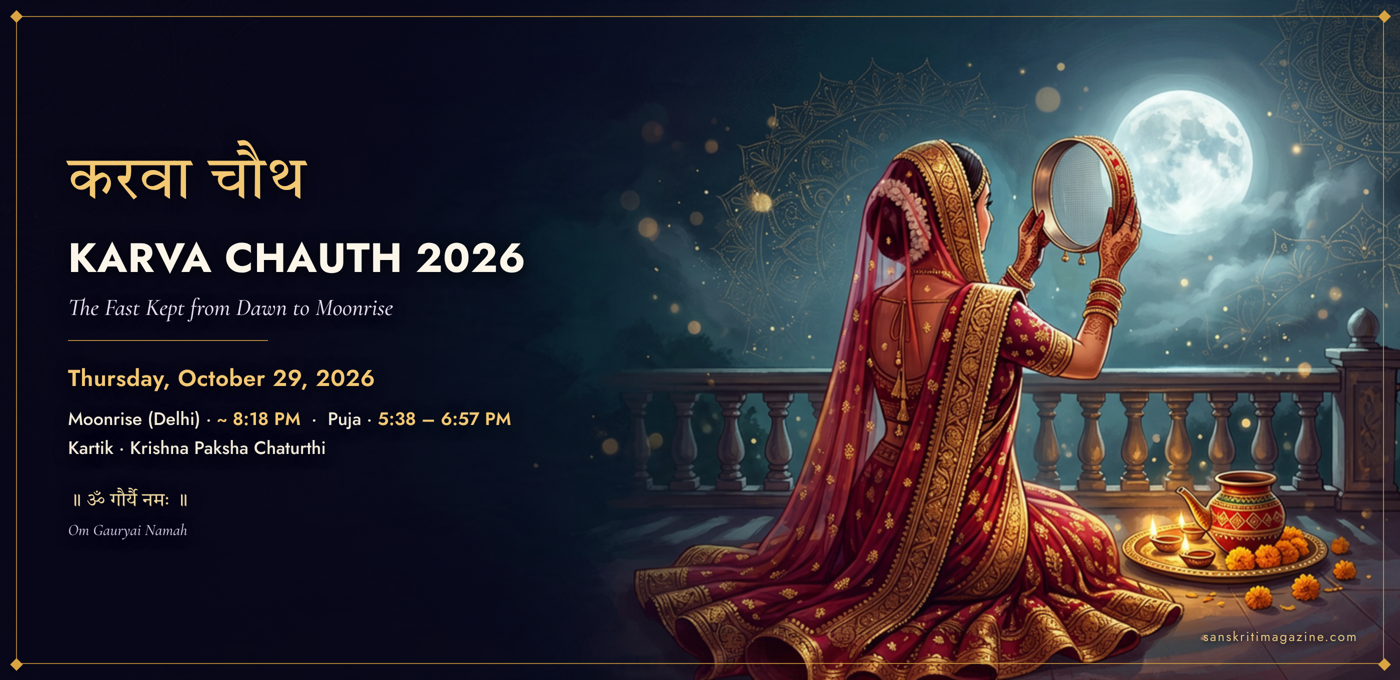
Karva Chauth 2026 is Thursday, Oct 29 — Delhi moonrise ~8:18 PM. Puja muhurat, the sargi-to-moon ritual, and the stories of Veervati, Karva and Draupadi.