Jambavantha Race of Ramayana were not bears
Jambavan or Jambavantha was depicted in Ramayana as a Riksha-Raja (King of Bears). He is really the first of these races who walked on two

Jambavan or Jambavantha was depicted in Ramayana as a Riksha-Raja (King of Bears). He is really the first of these races who walked on two

Mahabharata today has 100,000 slokas and is believed to be written by Sage Veda Vyasa, but in reality it was narrated by him and written
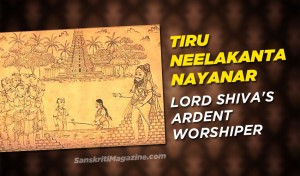
In Chidambaram, there once lived an ardent devotee of Lord Siva. He was a potter by caste and profession. He had the highest regard for
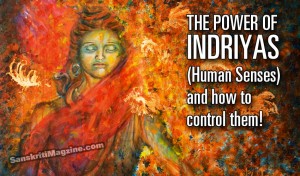
The senses or indriyas are desires and have two states, static and dynamic. When the desire begins to operate, the indriyas are put in motion.

Swami Satyasangananda Saraswati What is the best way to help children develop their potential? In India, the vedic tradition introduces children to the practices of
“One who is overpowered by ignorance mistakes a thing for what is not: It is the absence of discrimination that causes one to mistake a

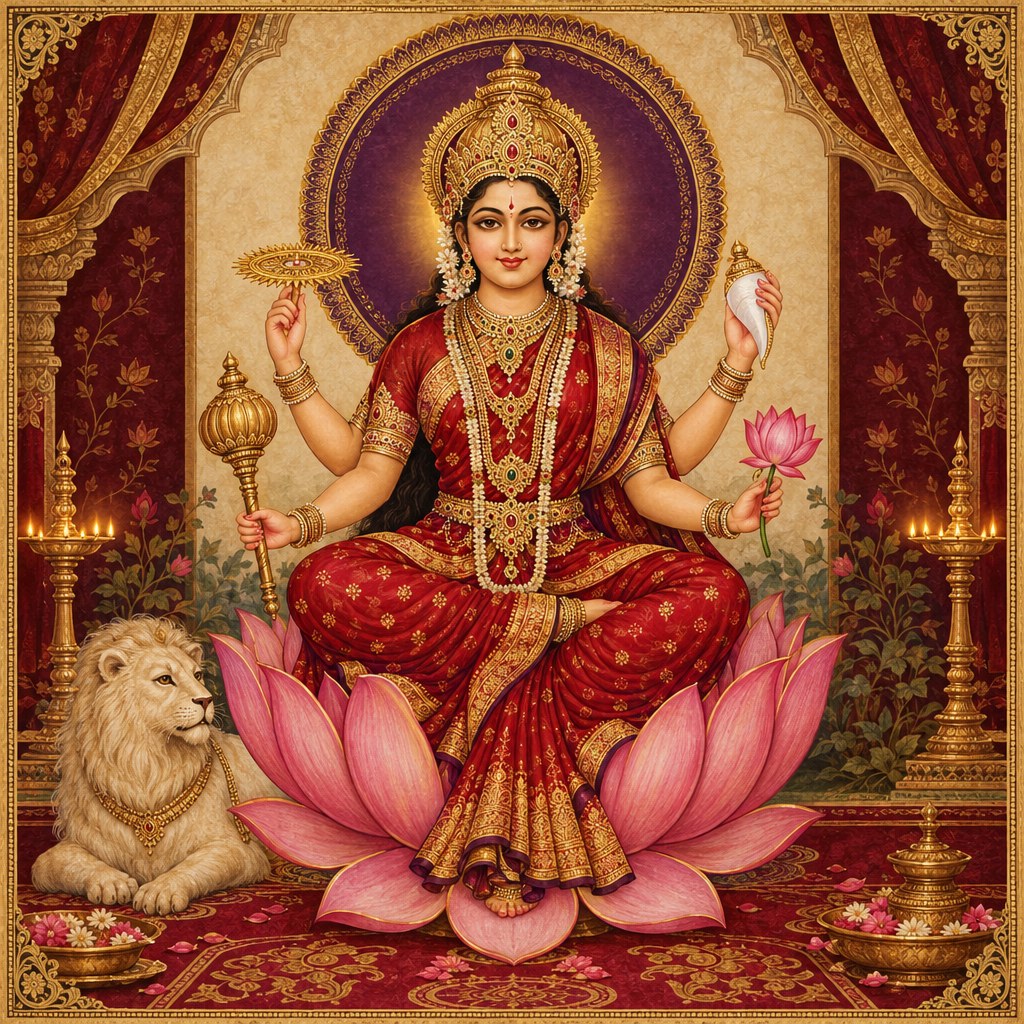
Explore Maa Siddhidatri’s form, meaning and symbols, with a simple Navratri reflection and a practice you can carry into daily life.
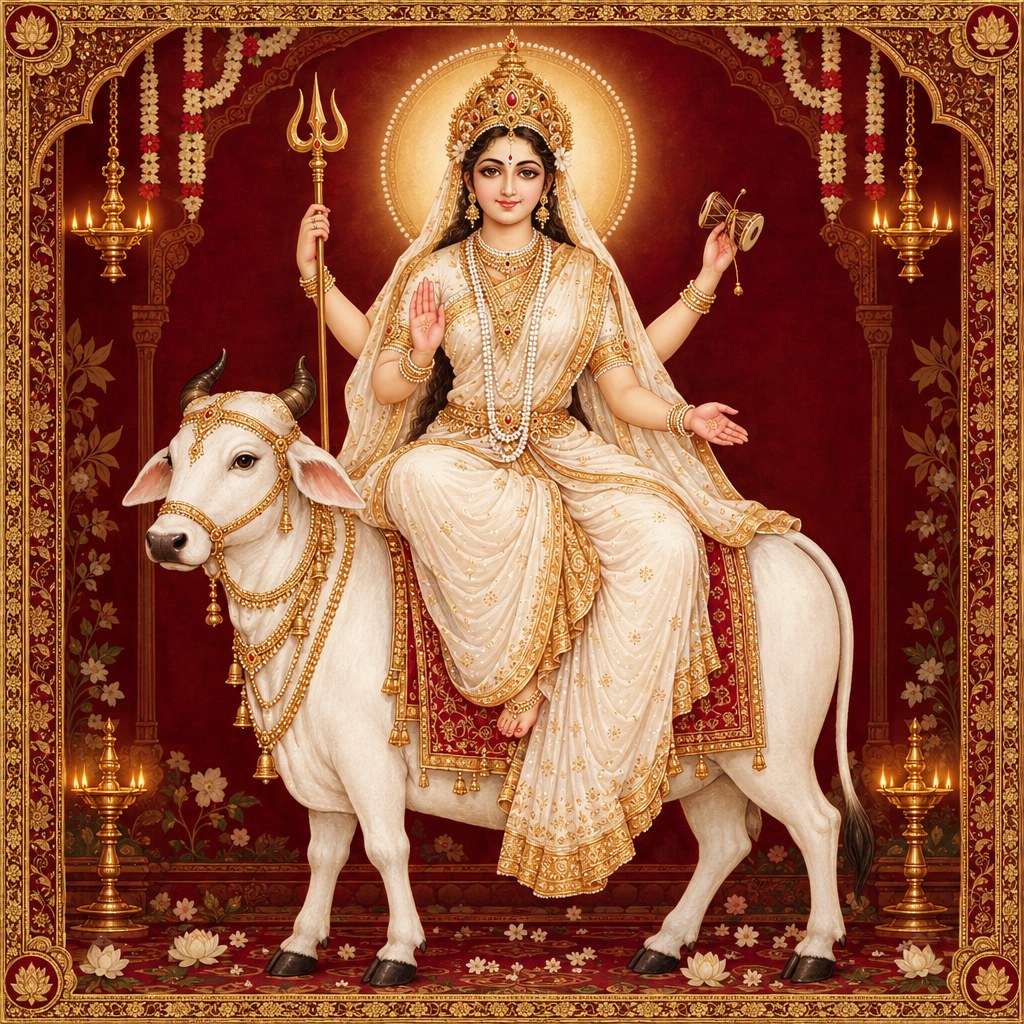
Explore Maa Mahagauri’s form, meaning and symbols, with a simple Navratri reflection and a practice you can carry into daily life.
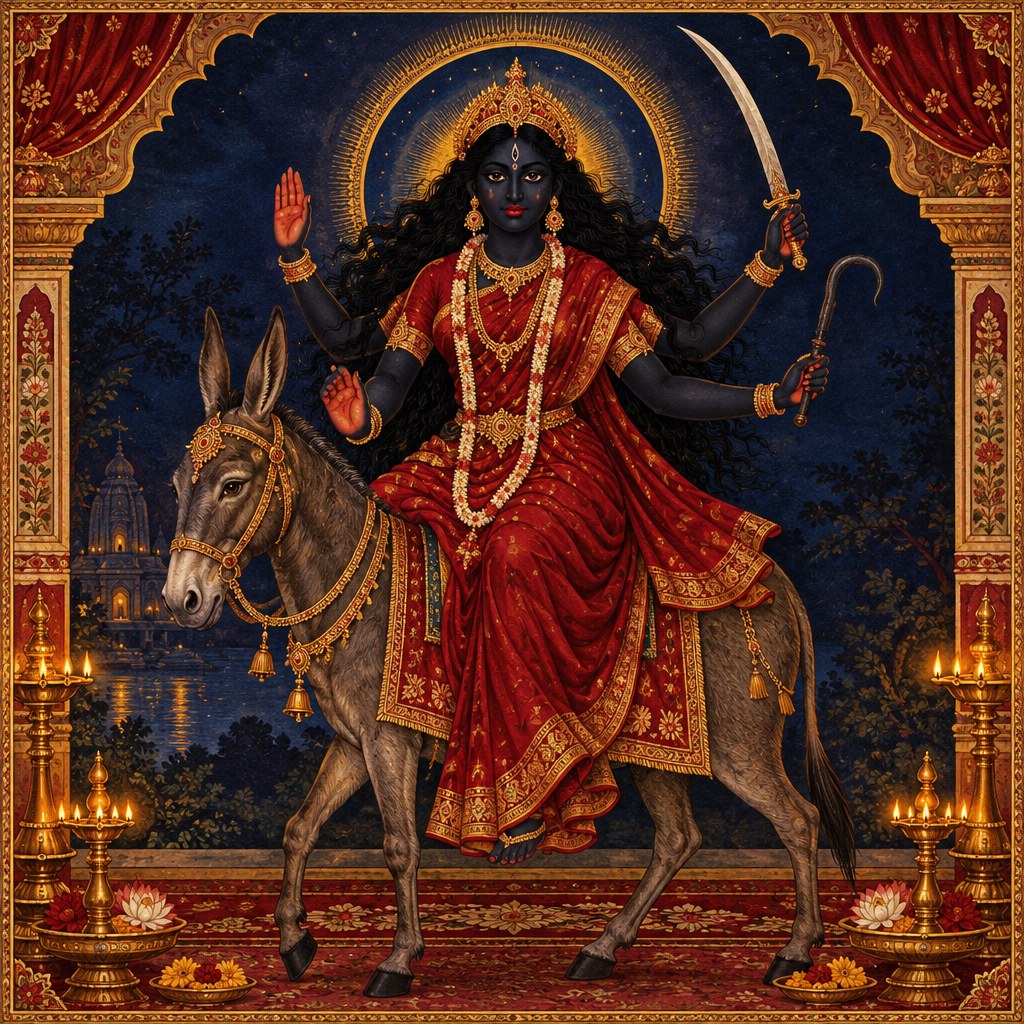
Explore Maa Kalaratri’s form, meaning and symbols, with a simple Navratri reflection and a practice you can carry into daily life.
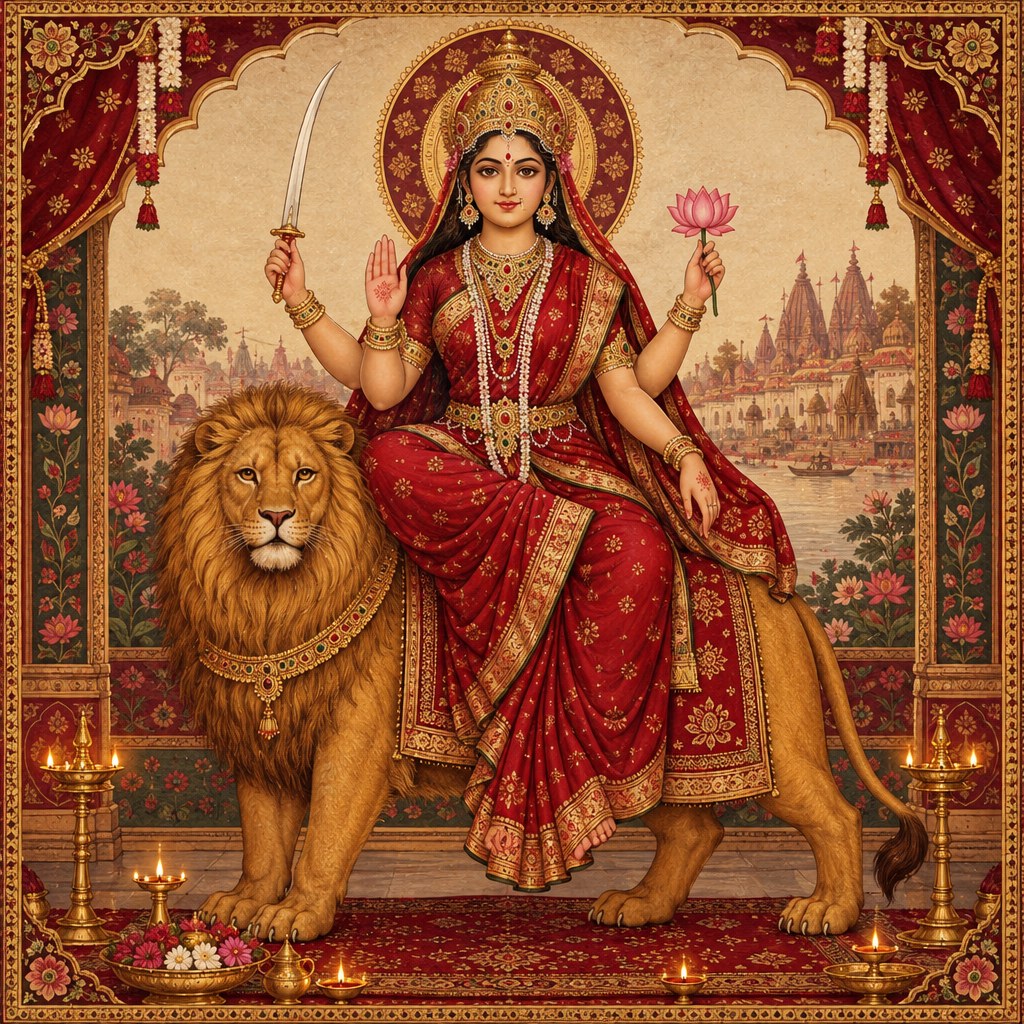
Explore Maa Katyayani’s form, meaning and symbols, with a simple Navratri reflection and a practice you can carry into daily life.
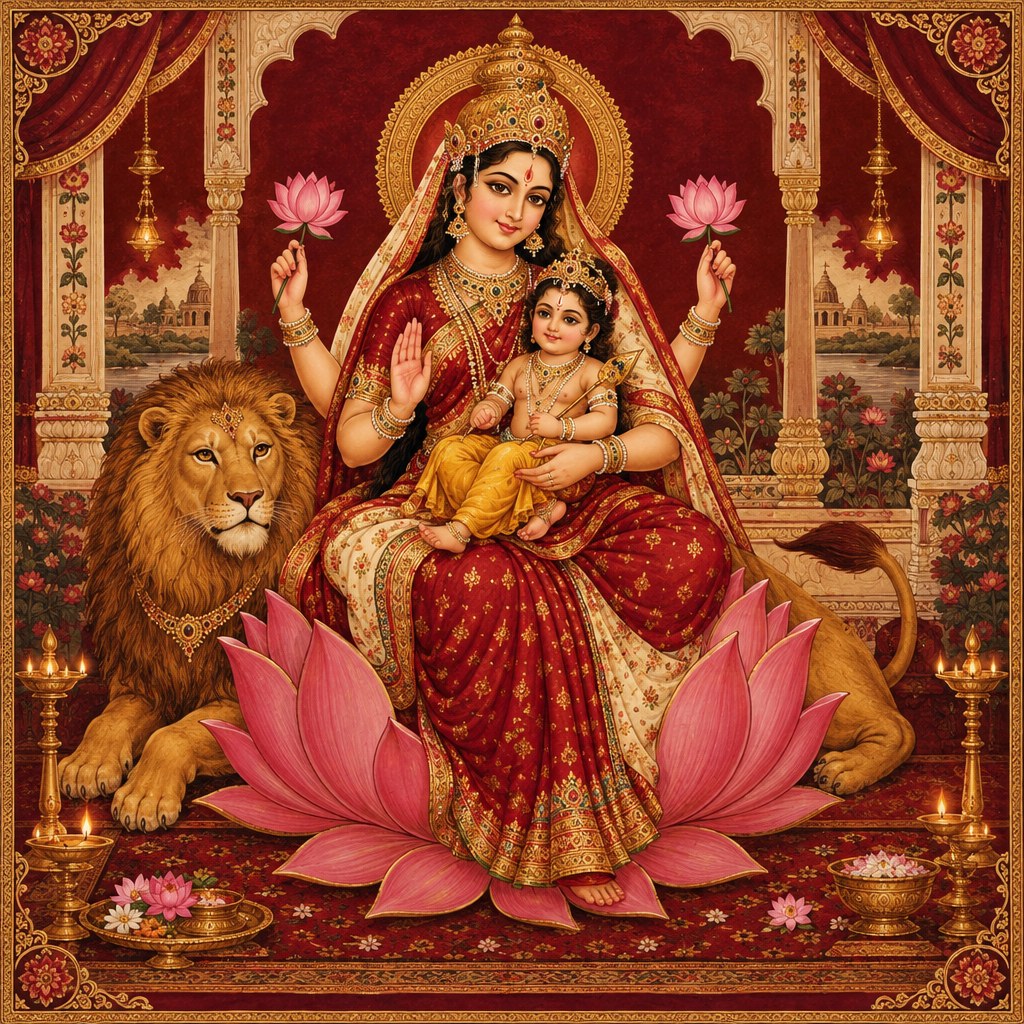
Explore Maa Skandamata’s form, meaning and symbols, with a simple Navratri reflection and a practice you can carry into daily life.