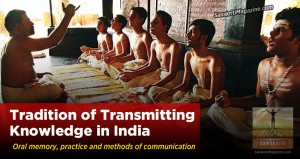
Tradition of Transmitting Knowledge in India
In India, oral transmission of knowledge still continues to be the most important method by which we communicate messages, educate our children on early lessons,

In India, oral transmission of knowledge still continues to be the most important method by which we communicate messages, educate our children on early lessons,
When asked about the ancient classics of India, most would quickly reply with The Ramayana and The Mahabharata. Although this answer is correct, there is
There is a popular word – “Islamic terrorism”. Does it mean terrorism is an exclusive business of Islam? No. There are terrorists among Muslims. That
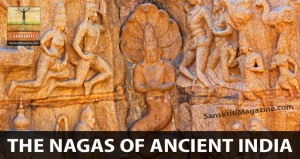
The Nagas are borne of Lord Brahma, who lay down while doing the work of creation and dropped hair from his body that transformed into

In 1986, researchers Dr. Satwant Pasricha and Dr. Ian Stevenson documented 16 cases of near-death experiences in the Journal of the American Society of Psychical
Symbols are very important in the evolution of man. People used to think in symbols, as they had no vocabulary to express abstract ideas and

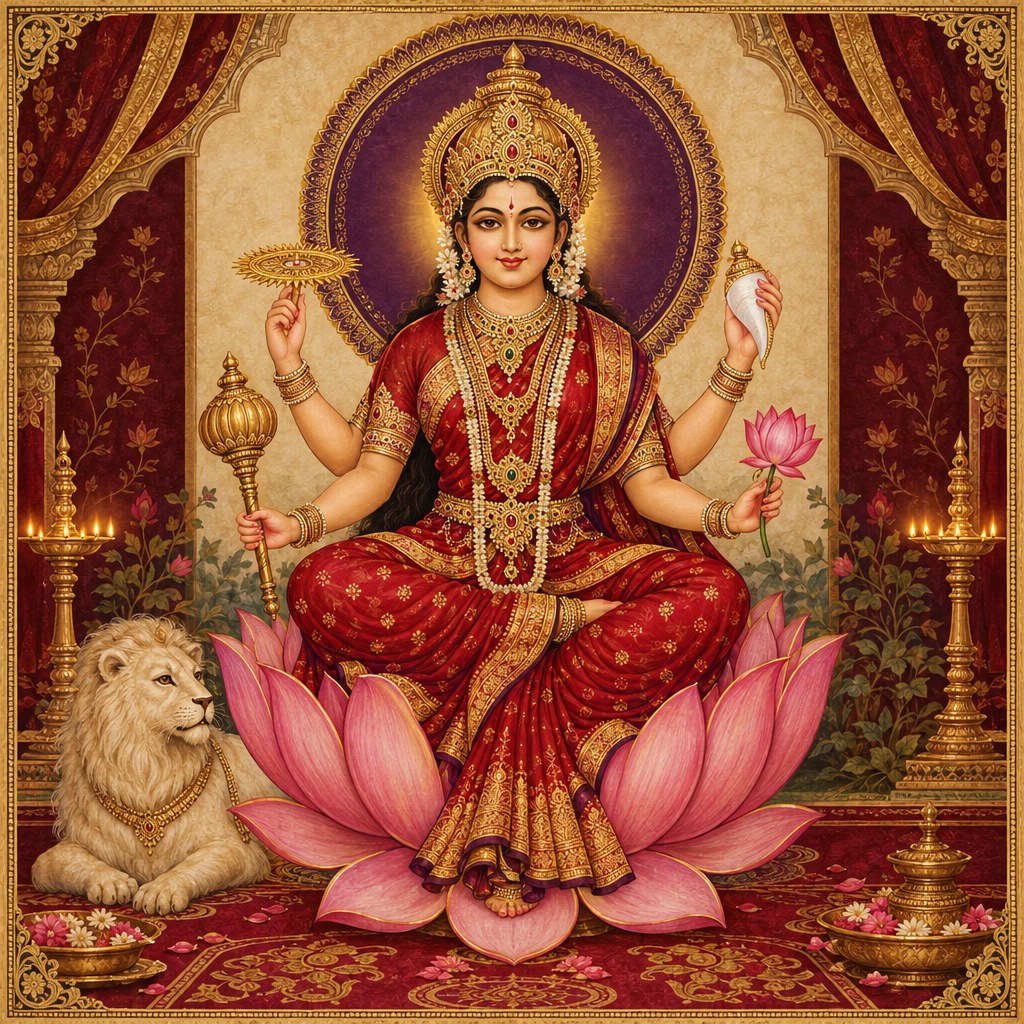
Explore Maa Siddhidatri’s form, meaning and symbols, with a simple Navratri reflection and a practice you can carry into daily life.
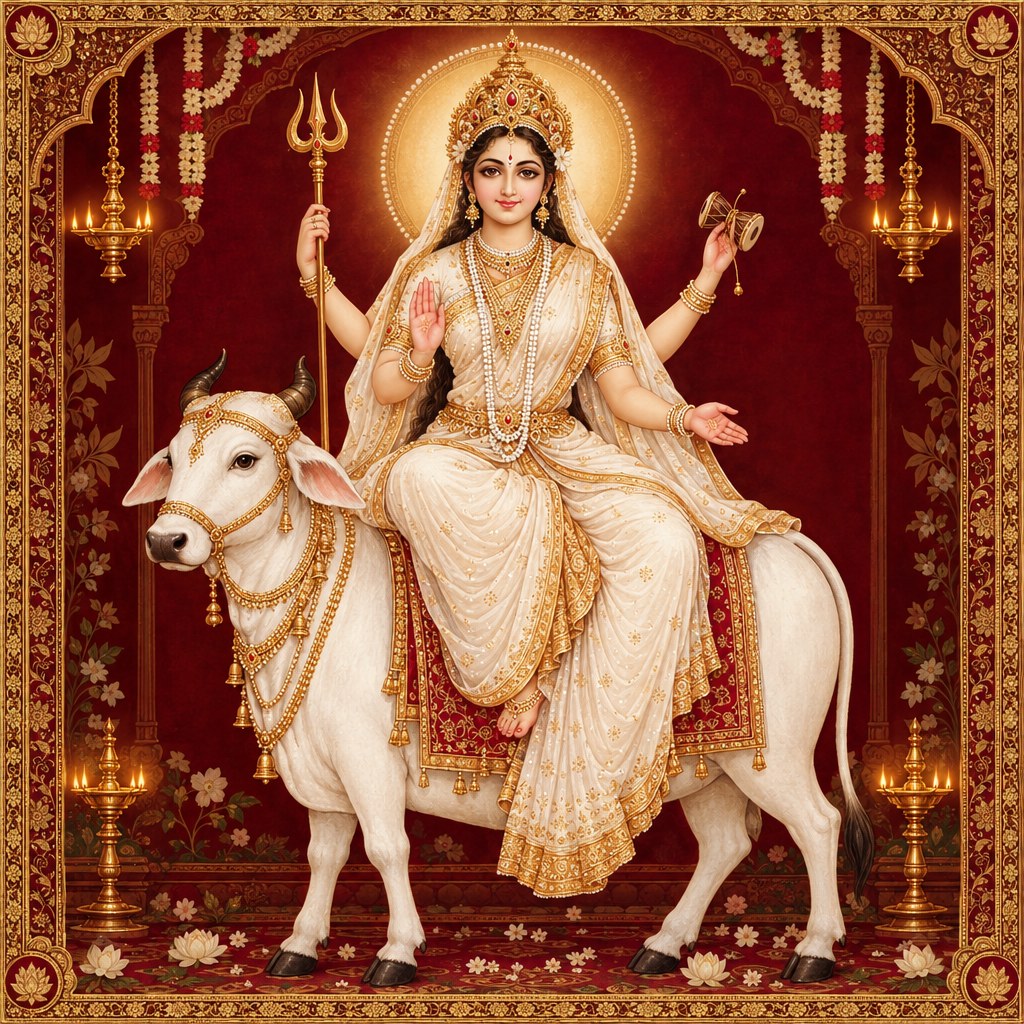
Explore Maa Mahagauri’s form, meaning and symbols, with a simple Navratri reflection and a practice you can carry into daily life.
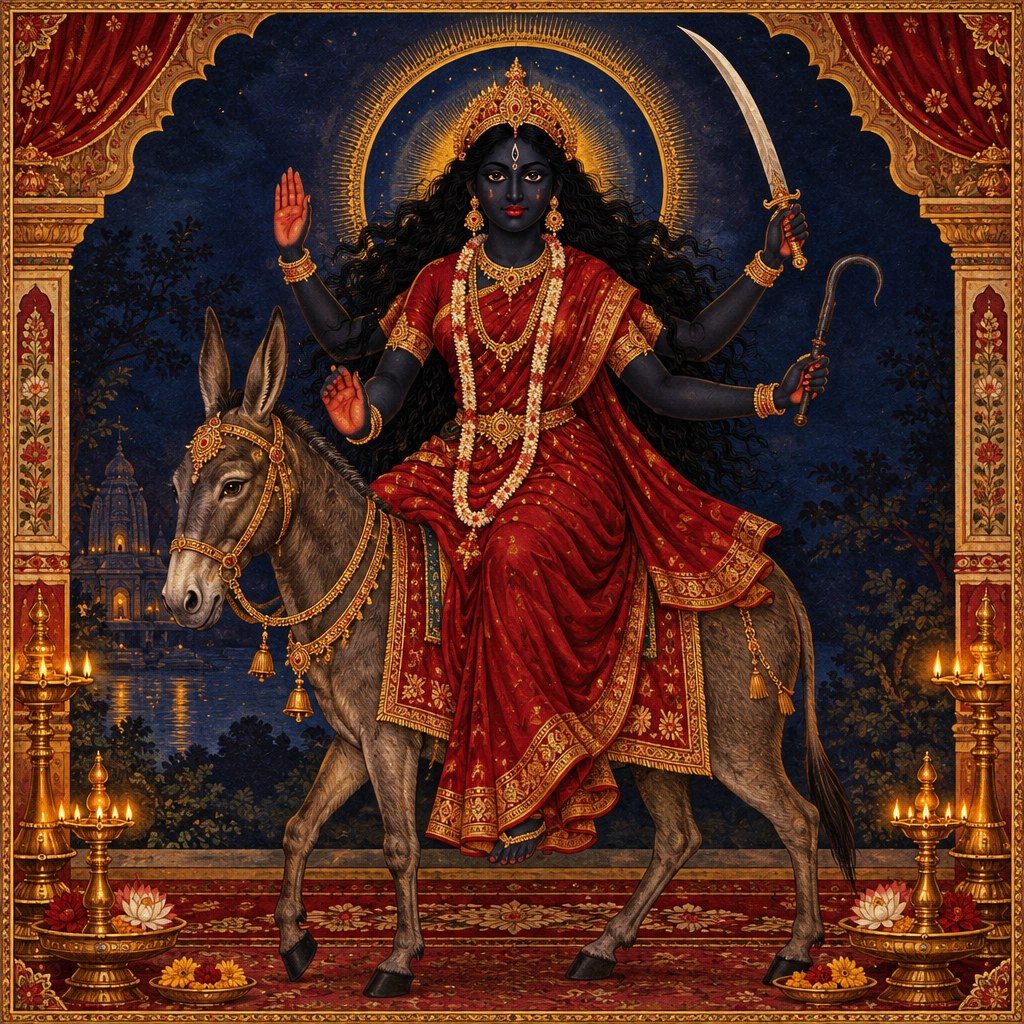
Explore Maa Kalaratri’s form, meaning and symbols, with a simple Navratri reflection and a practice you can carry into daily life.
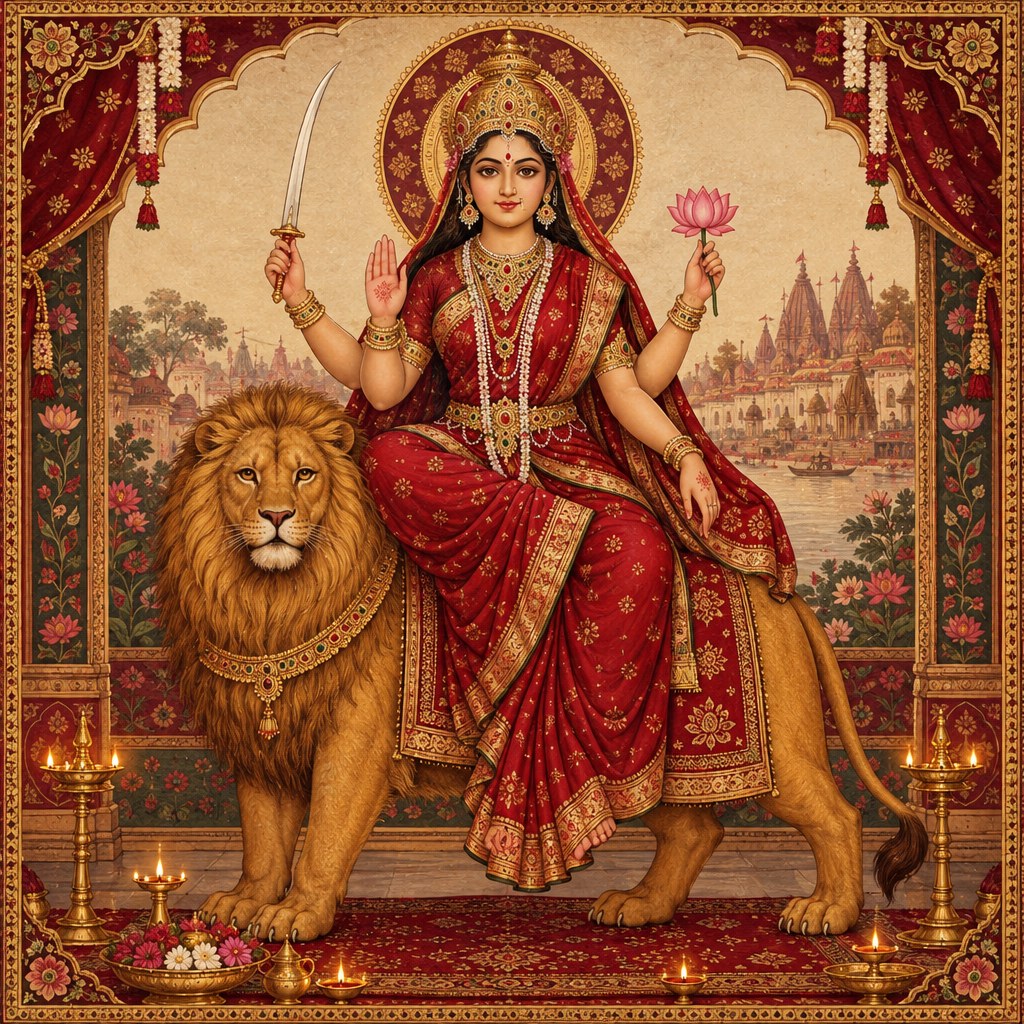
Explore Maa Katyayani’s form, meaning and symbols, with a simple Navratri reflection and a practice you can carry into daily life.
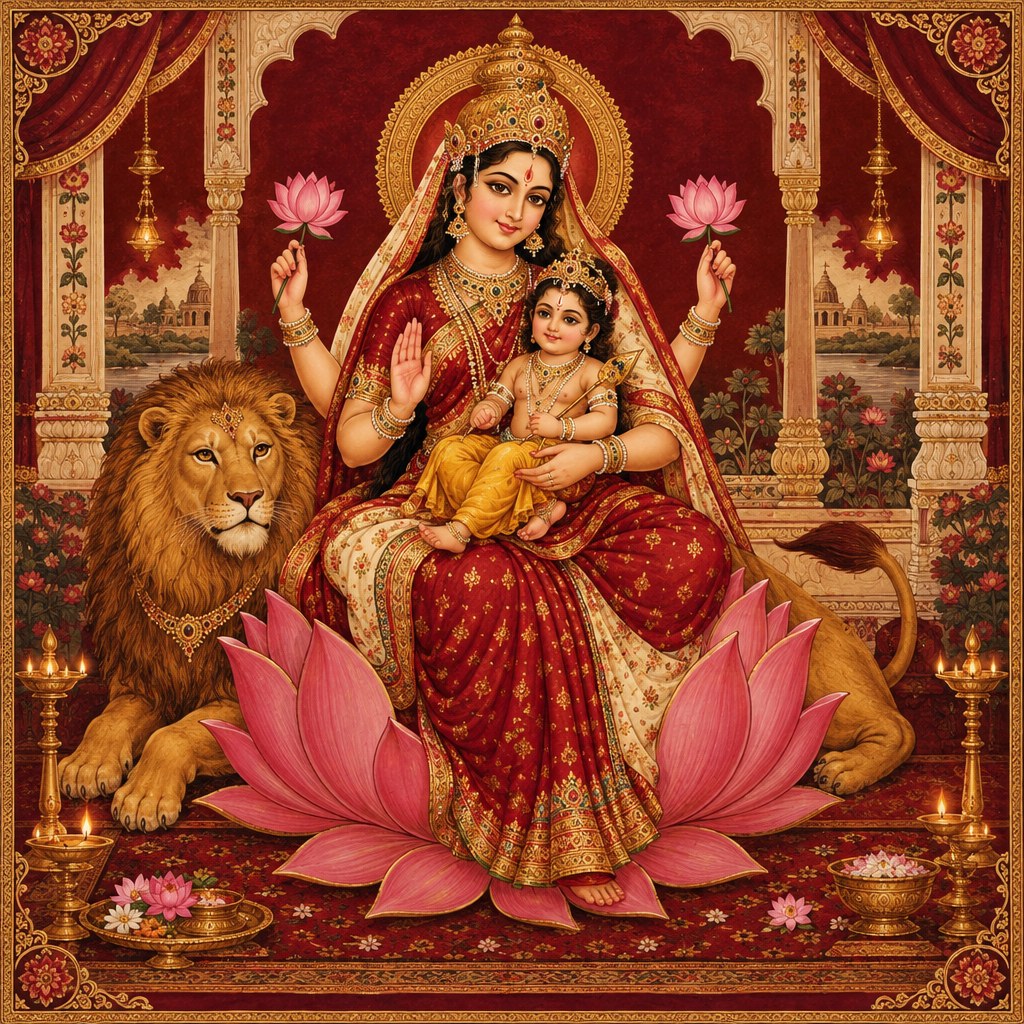
Explore Maa Skandamata’s form, meaning and symbols, with a simple Navratri reflection and a practice you can carry into daily life.

