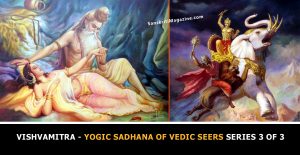
Vishvamitra – Yogic Sadhana of Vedic Seers Series 3 of 3
~ By Mukesh Bhatnagar (Exclusive for Sanskriti Magazine) As has already been indicated, if Vishvamitra’s yogic sadhana starts with meditation on Agni as the universal

~ By Mukesh Bhatnagar (Exclusive for Sanskriti Magazine) As has already been indicated, if Vishvamitra’s yogic sadhana starts with meditation on Agni as the universal

~ By Mukesh Bhatnagar (Exclusive for Sanskriti Magazine) A house of thousand doors cannot but be the state of emancipation. This interpretation has its plausibility
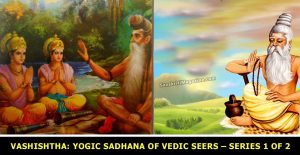
~ By Mukesh Bhatnagar (Exclusive for Sanskriti Magazine) Vashishtha is one of the most prominent seers of the Veda. He along with his progeny is
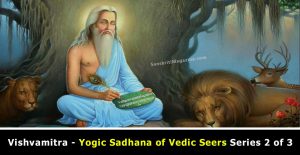
~ By Mukesh Bhatnagar (Exclusive for Sanskriti Magazine) Vishvamitra’s realization of his real identity in the omniscient Agni speaks of his elevation to pure consciousness
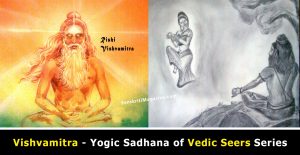
~ By Mukesh Bhatnagar (Exclusive for Sanskriti Magazine) Vishvamitra is one of the most celebrated seers of the Vedic age. He is the seer of

By Swami Sivananda Tulsidas was born in Rajapur, in the district of Banda in Uttar Pradesh, in Samvat 1589 or 1532 A.D. He was a


Bhadrapada begins today in North India, opening a lunar month that moves from the midnight

The 12 Jyotirlingas of Lord Shiva — where each stands, its sacred story, and how to make the Dwadasha Jyotirlinga pilgrimage in person or in spirit this Shravan.

The Rudrabhishek is the abhishekam said to please Lord Shiva fastest. What it is, the meaning of each sacred substance, the Sri Rudram, and how it is performed at home this Shravan.

Shravan runs July 30–Aug 27 in 2026, with four Sawan Somwars (Aug 3, 10, 17, 24). Why the whole month belongs to Mahadeva — the churning of the ocean, the poison He drank, and how to keep the Sawan vrat.

Thiruvonam 2026 falls on Wednesday, August 26 — the crown of Kerala’s ten-day festival. The Bhagavata story of King Mahabali and the Vamana avatar, and why Onam is a homecoming, not a defeat.

