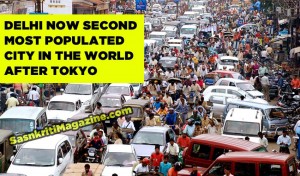
Delhi now second most populated city in the World after Tokyo
Delhi has become the world’s second most populous city after Tokyo, more than doubling its population since 1990 to 25 million, according to a UN

Delhi has become the world’s second most populous city after Tokyo, more than doubling its population since 1990 to 25 million, according to a UN

New Delhi, India: The Supreme court on Friday dismissed a petition challenging the constitutional validity of Article 370 that gives special status to Jammu and
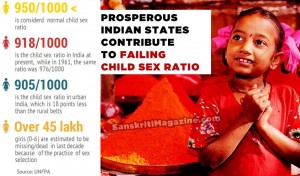
The Economic Survey released recently revealed that the proportion of working-age population in India is likely to increase from around 58 per cent in 2001

Intelligence Bureau warns that the movement of Saudi Wahabi preachers in Kerala and Tamil Nadu, if left unchecked, will lead to more Indians being brainwashed
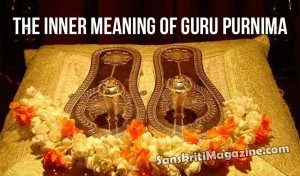
Guru is one who is “heavy” (with knowledge, wisdom and inner experience) and hence holds us fast lest we be swept by the waves of

Nikola Tesla (1856-1943) is best known for his pioneering research in electricity and robotics and for his numerous inventions, which include the eponymous Tesla coil. But the


The 12 Jyotirlingas of Lord Shiva — where each stands, its sacred story, and how to make the Dwadasha Jyotirlinga pilgrimage in person or in spirit this Shravan.

The Rudrabhishek is the abhishekam said to please Lord Shiva fastest. What it is, the meaning of each sacred substance, the Sri Rudram, and how it is performed at home this Shravan.

Shravan runs July 30–Aug 27 in 2026, with four Sawan Somwars (Aug 3, 10, 17, 24). Why the whole month belongs to Mahadeva — the churning of the ocean, the poison He drank, and how to keep the Sawan vrat.

Thiruvonam 2026 falls on Wednesday, August 26 — the crown of Kerala’s ten-day festival. The Bhagavata story of King Mahabali and the Vamana avatar, and why Onam is a homecoming, not a defeat.
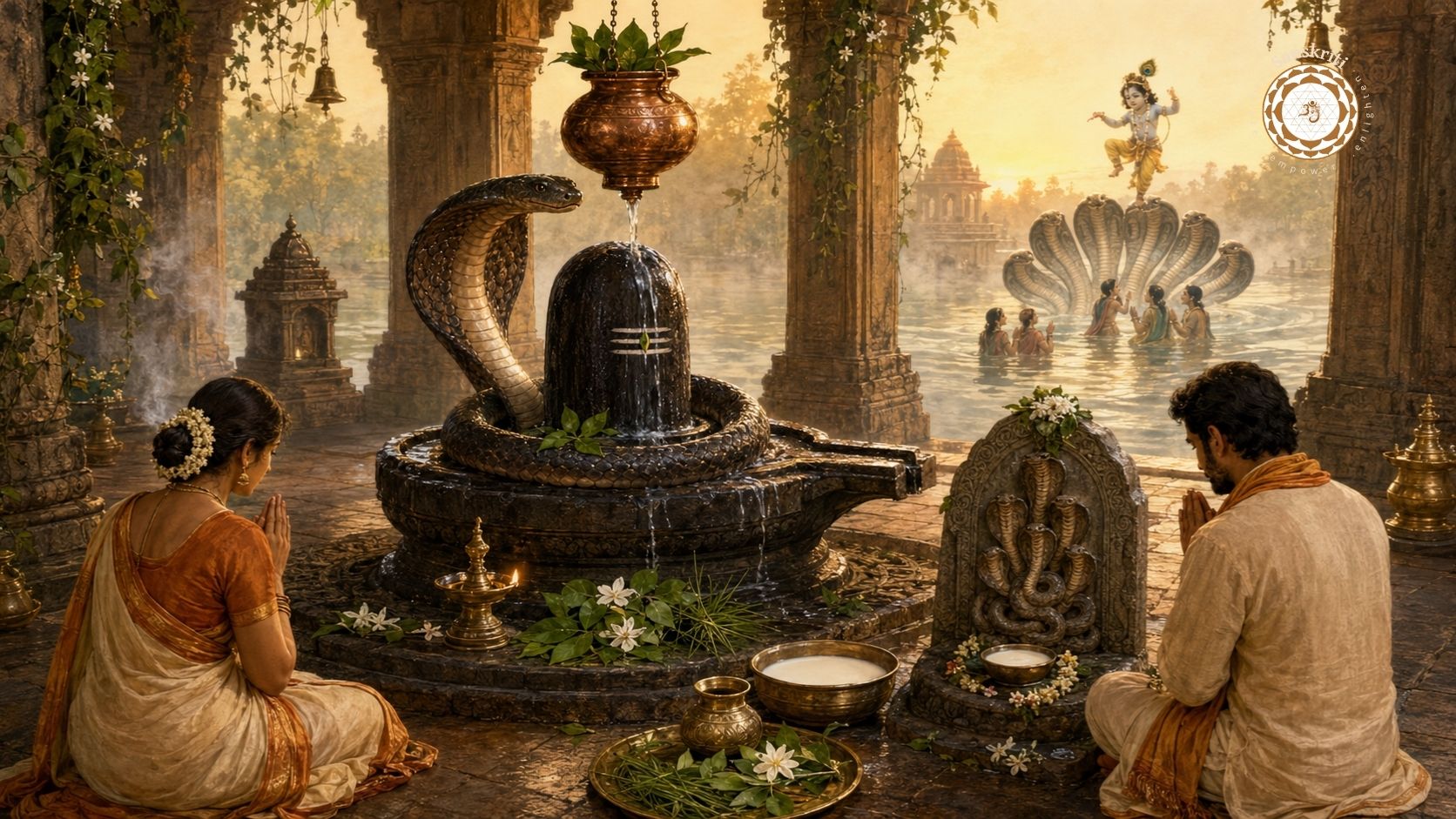
On Monday, August 17, 2026 — a Shravan Monday — Hindus offer milk and prayers to the serpent. The stories of Shesha, Vasuki, Kaliya and Astika, and the puja vidhi for Nag Panchami.

