India is a land of colourful festivals celebrated with much grandeur. There are some festivals that are prevalent among women, such as Teej, which is celebrated with much fervour in Rajasthan, Jharkhand, Bihar, Uttar Pradesh, Madhya Pradesh, Chhattisgarh and Maharashtra. Hartalika Teej is the most important Teej festival out of the three including Hariyali Teej and Kajari Teej. It is observed on the third day of Shukla Paksha (fortnight) in the Hindu month of Bhadrapad. This year, Hartalika Teej will be observed on 24th August, 2017. This festival is dedicated to Maa Hartalika, who is also known as Goddess Parvati. Hartalika Teej is celebrated to commemorate the day when Lord Shiva accepted Goddess Parvati’s love towards him. Women all across the country, married or unmarried celebrate this festival in order to be loved by their counterparts or get loving spouses.
Hartalika Teej 2017: Significance and History
‘Harat’ translates to abduction and ‘aalika’ translates to a female friend. According to the Hindu mythology, Goddess Parvati was abducted by her friends so that she didn’t get married to Lord Vishnu, a match set by her father. Goddess Parvati was in love with Lord Shiva. Considering the ascetic he was, it was a difficult task to woo him. Goddess Parvati decided to put all her efforts to make Lord Shiva know about her undying love and affection for him. It is believed that she took 108 births and penance to receive the love from Lord Shiva. The dedication led to Lord Shiva’s acceptance of her love towards him. It is said that this day onwards, Goddess Parvati declared this day auspicious for women and proclaimed that whoever will perform certain rituals on this day will be blessed with a happy married life.
Rituals of the Hartalika Teej:
- The festival of Hartalika Teej celebrates the reunion of Goddess Parvati with Lord Shiva. On this day, big processions carrying beautifully clad idols of Goddess Parvati are taken out in different parts of the country. The procession is made more pleasurable by performances from varied artists. The idol of Parvati is escorted by several camels and elephants making the teej procession more attractive. In some places, magnificent fairs are also organized on the occasion of Hartalika Teej.
- Hartalika Teej is observed especially by married women with immense enthusiasm and zeal. As a part of the ritual married women on this day return to their parent’s home for celebration. On this special teej, women dress up in new clothes and striking jewelry. `Green is the preferred color for this occasion and women love to apply kajal and bindi. During this time, every women desires to look her very best.
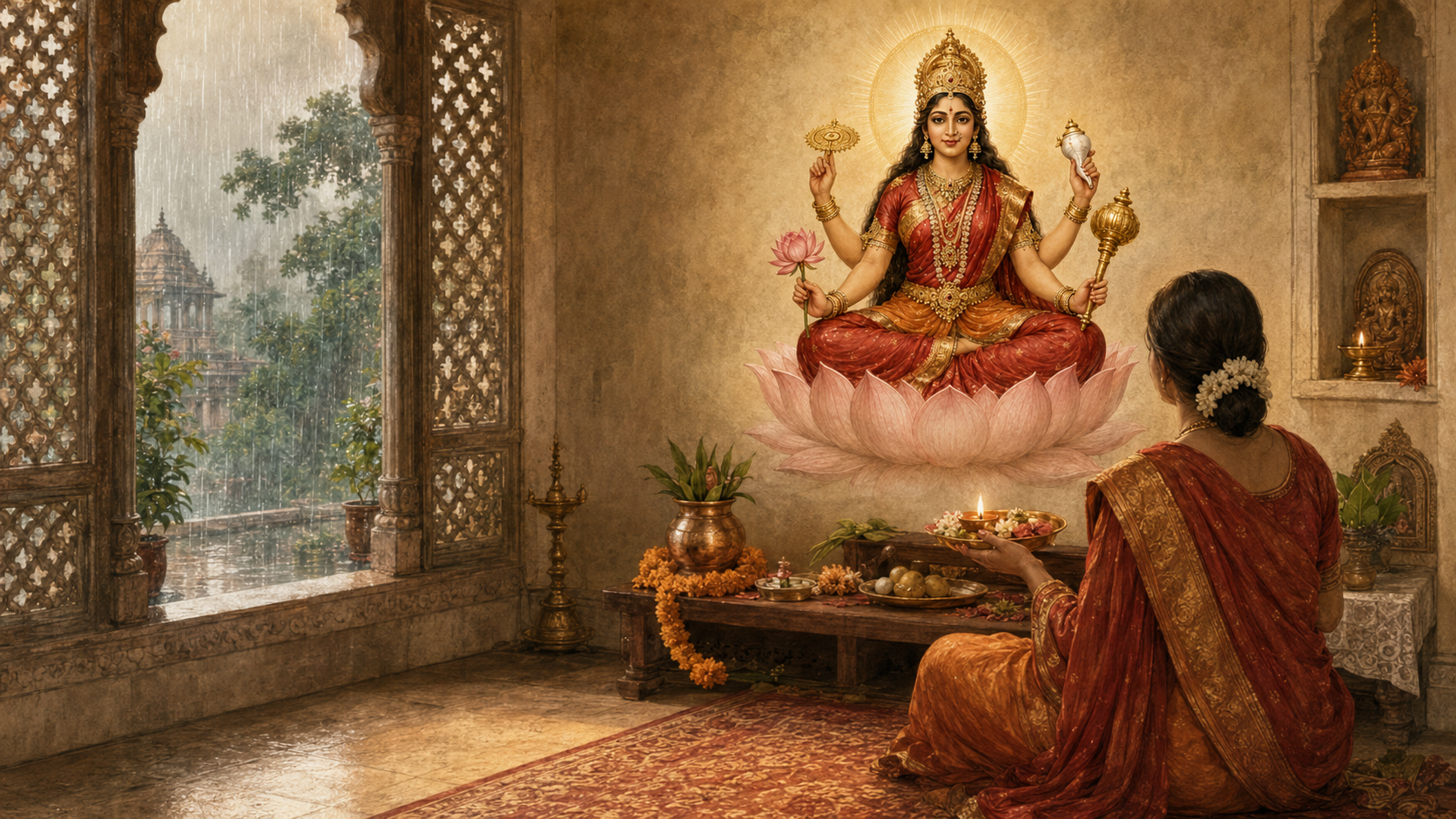
- In the midst of all these celebrations, married women observe a strict fast for a period of three days for the welfare and long life of their husbands. They spend the days without eating and having even a single drop of water. On the day of Hartalika Teej, the observer of the vrat gets up early and takes a dip in the holy waters. Following this they visit the mandir and touch their husband’s feet on returning home. Just before sunset, women again take a bath and get dressed up as newlyweds. The main worshipping ritual begins in the afternoon. The idols of Lord Shiva and Goddess Parvati are worshipped with flowers, Bilwa leaves and incense sticks. Mantras are recited all throughout and the puja is ended by telling the Hartalika Teej vrat katha. While listening to the katha, one must only think about their soul mate. The fast is only broken next morning after finishing all the worshipping rituals.
- Various sweets and other delicacies are prepared at home to offer to Goddess Parvati. Fresh fruits and green vegetables are offered to the deity. As a ritual, women distribute beautiful painted coconuts to other female friends and relatives. After completing all the rituals, the women of the household feast together on jaggery and rice patolis on the banana leaves along with mixed vegetables cooked in coconut milk and other spices. A special sweet made from rice and coconut milk is also prepared. Women also drink tender coconut water.
Hartalika Teej Vrat Katha
Devi Shailputri started penance to please Lord Shiva since her childhood. She prayed for twelve years, which was followed by another 64 years austerity and penance to please Lord Shiva.
The king Himalayaraj got worried about the future of her daughter. When Narada Muni came to see Shailputri, he lied and told that he has brought the marriage proposal for his daughter on behalf of Lord Vishnu. Himalayaraj promised Lord Narada that he would marry his daughter to Lord Vishnu. Lord Vishnu also accepted to marry Goddess Shailputri on the request of Narada Muni.
When Shailputri came to know about the promise of her father to get her married with Lord Vishnu, she left the home with her friend. She went to thick forest and lived in a cave near the river while penancing to please Lord Shiva. At last Lord Shiva got pleased and promised that He would marry her. The next day Shailputri and her friend observed fast for Lord Shiva which was the day of Shukla Paksha Tritiya during Bhadrapada month.
King Himalayaraj was worried for her daughter as he thought that someone has abducted his daughter. King Himalayaraj with his troop started searching for Shailputri everywhere. Finally he found his daughter and her friend in thick forest. He requested her daughter to return to home. Shailputri asked that she would return to home only if he promises to get her married with Lord Shiva. Himalayaraj agreed to her wishes later married her with Lord Shiva.
Due to this legend, this day is known as Hartalika as the friend of Goddess Parvati took her to the thick forest which Himalayaraj considered as abduction of his daughter. Hartalika word is combination of “Harat” and “Aalika” which means “abduction” and “female friend” respectively.
Hartalika Teej 2017: Prasad and Bhog
Although women observe fast on this day and restrict themselves from food and water for about 24 hours, but they offer fresh fruits, sweets like ghewar and pedas, and suhaag (sindoor, mangal sutra, etc)items that are relevant for married ladies to Goddess Parvati.
Hartalika Teej vrat has immense significance for Hindu women. On this day they worship Goddess Parvati with full dedication to be blessed with a prosperous domestic life. Unmarried girls also observe this fast to get the choice of their husbands. Therefore this fast can be observed by both married and maiden women. The main objective of Hartalika Teej is to seek marital bliss along with progeny.