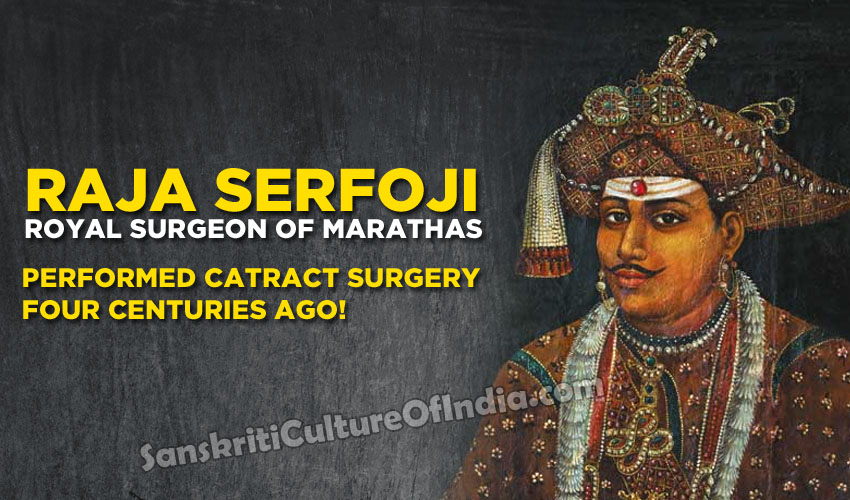
Four centuries ago, Raja Serfoji II, a Maratha ruler of the city of Thanjavur, is said to have performed eye surgeries among the various forms of medicine he practised. Chennai-based opthalmologists have now published his handwritten records of these surgeries for the first time.
The Maratha dynasty in Thanjavur, formed by Chhatrapati Shivaji’s half-brother Venkoji in 1675, continued till the end of the 18th century, and is reputed to have had a scientific and cultural temperament compared to the warrior characteristics associated with the dynasty in Maharashtra. The records published suggest that Serfoji, who ruled between 1798 and 1832, specialised in nayana roga, or diseases of the eye.
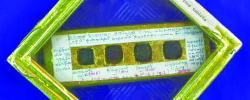
Ophthalmologists and laboratory experts from Sankara Nethralaya in Chennai, accompanied by Dr R Nagaswamy, retired director of Tamil Nadu’s archaeology department and a former VC of Kanchipuram University, accessed the records from S Babaji Raja Bhonsle, the present prince and descendant of Serfoji. The original handwritten case sheets have been published in the current issue of the Indian Journal of Opthalmology.
As per the records, the raja ran a hospital called Dhanvantri Mahal, helped by an English opthalmologist referred to as “Dr McBean”,at a site where the St Peter’s Church now stands. Some of the case records are written in the Modi script and some in English.
“We presented the findings at the World Opthalmology Conference this year in Dubai, and now we have published them,” said Dr Jyotirmay Biswas, director of the department of uveitis and ocular pathology at Sankara Nethralaya and the corresponding author of the study. “It is amazing how credit for eye surgeries being used till date is given to the European world, when contemporary physicians in our own country were doing specialised work in the field.”
French opthalmologist Dr Jacques Daviel presented the first conclusive advancements in cataract procedures to the French Academy of Durgery in 1752. The authors have stated in the publication that Serfoji and his team used opthalmological terms like “cornea”, “lens” and “conjunctiva” in their records.
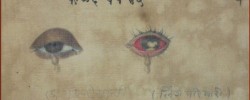
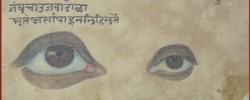
Case records of 44 patients were found in 50 manuscripts of patients in the age group 5 to 60, with 18 drawings made according to the visible symptoms. While it is not clear what kind of cataract procedure doctors were performing, the researchers say that from the case records it seems to have been through couching, which involves a needle being inserted directly into the lens and removal of the cataract. Other conditions that were handled include scarring of the cornea, a condition now known as leucoma, and lesions in the eye leading to vision loss, known now as amaurosis.
Documented cases include that of a 45-year-old patient who was operated for cataract on September 9, 1827, and who needed an additional four leeches besides a “blue pill”. A 15-year-old girl, diagnosed with a severe eye infection on August 15, 1827, with “mucoid and watery discharge”, needed 18 leeches, a powder in the neck, and the European medicine Belladona and silver nitrate solution, until she was relieved of her pain.
The “blue pill” was indigenous. “The composition of this pill is not clear, but it was used generously in the prescriptions for a variety of purposes including eye infections and eye pain, and seems to have worked wonders,” Dr Biswas said. “Leeches were being used for inflammation and congestion of the eye, and to relieve pain after surgeries. After medical or surgical intervention, the vision of the patient was recorded under two heads, improved and same,” Dr Biswas said.
Castor oil and rhubarb powder were frequently used. The surgeons also used some medicines in use in Europe, such as chalk powder and peppermint water besides silver nitrate. The records also show that patients were paid Rs 2 as inam at the time of discharge, for having consented to surgery and showing an improvement.